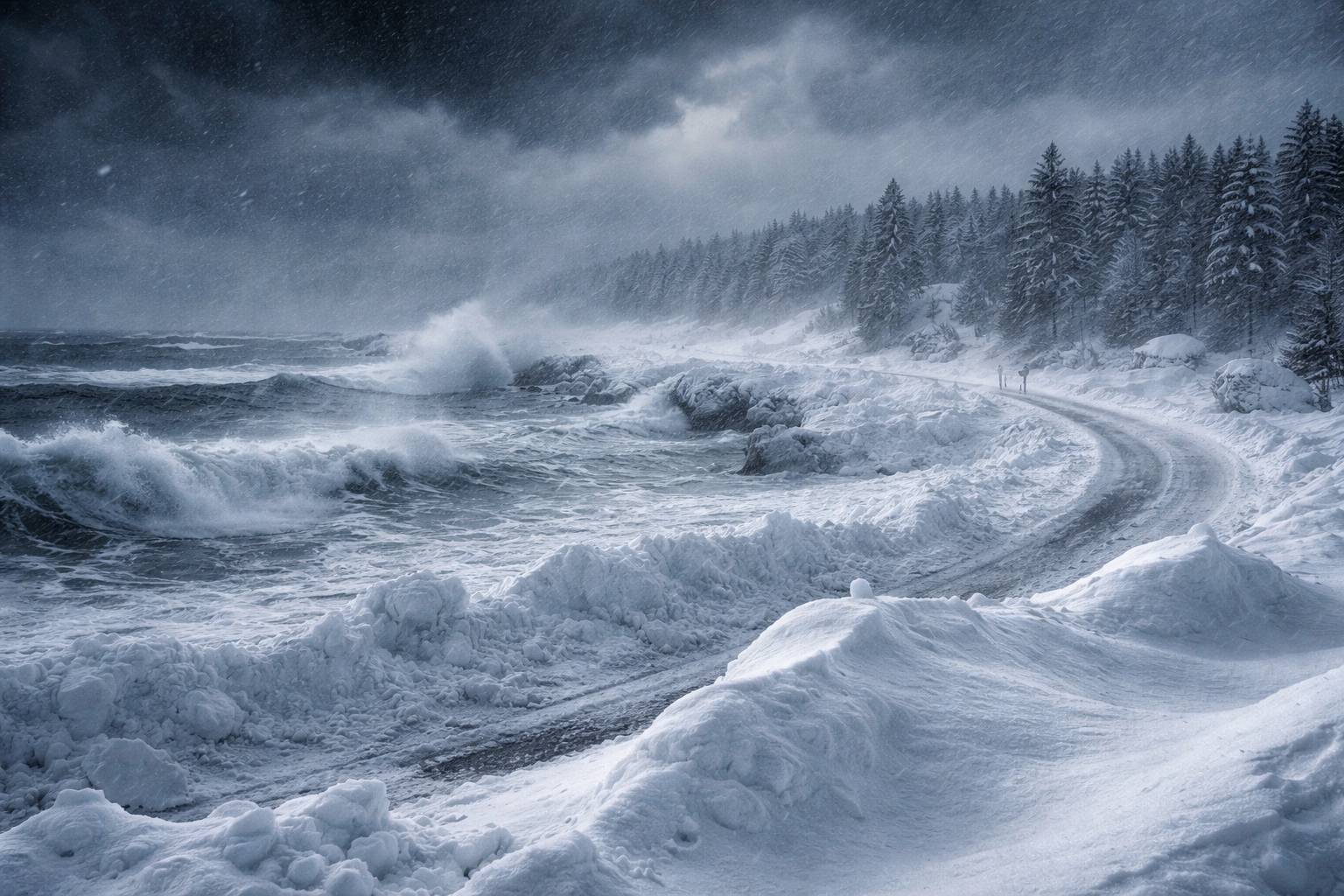
Worst Blizzards in Michigan History
Michigan has experienced some of the most powerful and disruptive blizzards in American history. Fueled by the Great Lakes, Arctic air masses, and intense winter storm systems, these blizzards brought record snowfall, hurricane-force winds, extreme cold, and statewide shutdowns. From the infamous Blizzard of 1978 to lesser-known but deadly storms of the early 20th century, Michigan’s winter history is defined by events that reshaped infrastructure, emergency response, and daily life.
This guide explores the worst blizzards in Michigan history, ranking them by severity, snowfall, impact, and historical significance. It also explains why Michigan is uniquely vulnerable to extreme winter storms and how these events shaped the state we know today.
Why Michigan Experiences Some of the Worst Blizzards in the U.S.
Michigan’s geography places it at the center of multiple powerful winter weather forces.
The Great Lakes act as massive heat and moisture sources during winter. When cold Arctic air passes over unfrozen water, it absorbs moisture and heat, intensifying snowfall. This phenomenon, known as lake-effect snow, dramatically increases snowfall totals and prolongs storm duration.
Other contributing factors include:
-
Cold air outbreaks from Canada
-
Strong low-pressure systems tracking through the Midwest
-
Flat terrain that allows wind to accelerate
-
Long winter seasons that extend storm frequency
These elements combine to produce blizzards with extreme snowfall rates, dangerous wind chills, and prolonged whiteout conditions.
What Qualifies as a Blizzard?
According to the National Weather Service, a blizzard is defined by:
-
Sustained winds or frequent gusts of at least 35 mph
-
Considerable falling or blowing snow
-
Visibility reduced to less than one-quarter mile
-
Conditions lasting at least three hours
Many Michigan storms far exceed these criteria.
The Blizzard of 1978 – Michigan’s Worst Blizzard on Record
The Blizzard of January 26–27, 1978, stands as the most severe blizzard in Michigan history.
Key facts:
-
Snowfall: 1–2 feet statewide
-
Wind gusts: Over 60 mph
-
Wind chills: As low as –60°F
-
Duration: Nearly 48 hours
-
Impact: Entire state shut down
This storm paralyzed transportation, collapsed roofs, stranded thousands of motorists, and caused dozens of fatalities. Governor William Milliken ordered the first statewide shutdown in Michigan history, closing businesses and halting travel.
Snowdrifts exceeded 15 feet in rural areas, burying homes and farm buildings. National Guard units were deployed to rescue stranded residents.
The Great Michigan Blizzard of 1950
Before the era of modern forecasting, Michigan endured a series of catastrophic snowstorms in late 1950.
Unlike single-event blizzards, this was a sequence of storms lasting nearly three months.
Highlights:
-
Snowfall: Over 60 inches in some areas
-
Repeated whiteout conditions
-
Railroads shut down
-
Thousands of vehicles abandoned
This period fundamentally changed Michigan’s approach to snow removal and emergency planning.
The Armistice Day Blizzard of 1940
Although best known for its impact in Wisconsin and Minnesota, the Armistice Day Blizzard severely affected western Michigan.
Key impacts:
-
Sudden temperature drops
-
Hurricane-force winds
-
Lake Michigan shipping disasters
-
Dozens of fatalities
Many victims were caught off guard due to the storm’s rapid intensification.
The Blizzard of 1967 and Southeast Michigan
In January 1967, Southeast Michigan was crippled by one of the largest snowfalls in Detroit’s history.
Snowfall totals:
-
Detroit: Over 24 inches
-
Metro area shut down for days
-
National Guard mobilized
This storm highlighted vulnerabilities in urban snow response systems.
The Blizzard of 1996
The Blizzard of January 1996 brought intense snowfall and cold across much of Michigan.
Characteristics:
-
Heavy snow followed by extreme cold
-
Roof collapses from snow load
-
Flooding during subsequent thaw
It remains one of the most disruptive storms of the late 20th century.
Upper Peninsula Blizzards – A Category of Their Own
Michigan’s Upper Peninsula experiences the most extreme winter conditions in the state.
Factors include:
-
Proximity to Lake Superior
-
Higher elevations
-
Persistent lake-effect snow bands
Annual snowfall often exceeds 200 inches in some locations. Blizzards in the U.P. frequently involve multi-day whiteouts and extreme isolation.
Deadliest Blizzards in Michigan History
While snowfall totals often dominate headlines, fatalities tell another story.
Causes of death include:
-
Exposure
-
Carbon monoxide poisoning
-
Traffic accidents
-
Structural collapses
Older storms were particularly deadly due to limited forecasting and communication.
Snowfall Records Set by Michigan Blizzards
Michigan holds numerous snowfall records:
-
Single-storm snowfall over 30 inches in some regions
-
Seasonal snowfall exceeding 300 inches in the U.P.
-
Snowdrifts exceeding two stories tall
Lake-effect enhancement often turns moderate storms into historic events.
How Michigan Blizzards Compare to Other States
Compared to states like Minnesota, North Dakota, and New York, Michigan stands out for:
-
Frequency of blizzards
-
Intensity due to lake-effect snow
-
Geographic coverage across two peninsulas
Few states experience Michigan’s combination of wind, moisture, and cold.
How Historic Blizzards Shaped Michigan Infrastructure
Major blizzards led to:
-
Improved snow removal equipment
-
Emergency management systems
-
Building code updates
-
Better forecasting and warning systems
Modern Michigan is far more resilient because of lessons learned from historic storms.
Are Michigan Blizzards Getting Worse?
Climate data suggests:
-
Fewer but more intense snowstorms
-
Greater variability in winter conditions
-
Increased lake-effect snow during warmer winters
This pattern may increase the severity of individual events even as winters shorten overall.
FAQs – Michigan Blizzard History
What was the worst blizzard in Michigan history?
The Blizzard of 1978 is widely considered the worst due to snowfall, wind, cold, and statewide impact.
What year did Michigan shut down because of a blizzard?
Michigan shut down statewide during the Blizzard of 1978.
Which part of Michigan gets the worst blizzards?
The Upper Peninsula experiences the most extreme and frequent blizzards.
Why does Michigan get so much snow?
The Great Lakes provide moisture that intensifies snowfall through lake-effect processes.
Michigan Today – Experiencing the State Beyond Winter
While Michigan’s winter history is dramatic, the state truly shines outside the winter months. From May through October, travelers experience mild temperatures, vibrant landscapes, and access to destinations that feel completely transformed after winter’s retreat.
On Mackinac Island, the summer and fall seasons reveal the calm that follows Michigan’s harshest storms. Elevated views, cool lake breezes, and quiet surroundings offer a striking contrast to the blizzard-filled history that defines the region’s resilience.
To explore Mackinac Island during its most beautiful and accessible months and plan a 2026 stay during the open season, visit
https://www.theinnatstonecliffe.com