Best Places for Winter Wildlife Viewing in Michigan: A Seasonal Guide to Nature's Quiet Magic
Best Places for Winter Wildlife Viewing in Michigan: A Seasonal Guide to Nature's Quiet Magic
Michigan's winter landscape transforms into a breathtaking haven for nature lovers and wildlife enthusiasts. From silent snow-covered forests to icy lakeshores teeming with seasonal activity, the state offers a uniquely immersive experience for those willing to brave the cold. In this guide, we explore the best places for winter wildlife viewing in Michigan – especially throughout Northern Michigan and the Upper Peninsula – and how to plan a quiet, respectful, and memorable visit.
While The Inn at Stonecliffe is closed during the winter season, we proudly celebrate the natural wonders of Northern Michigan year-round. This guide aims to inspire winter explorers and encourage future warm-season stays at Mackinac Island’s most private retreat.
Why Winter is One of the Best Times for Wildlife Viewing in Michigan
Unique Animal Behavior in Snow Season
Michigan’s wildlife adapts to winter in fascinating ways. With less human traffic and leafless trees, animals become easier to spot. Some are more active during snowy months, while others leave distinctive tracks behind.
Common winter-active wildlife in Michigan:
-
White-tailed deer
-
Snowshoe hares
-
Red and gray foxes
-
River otters
-
Bald eagles
-
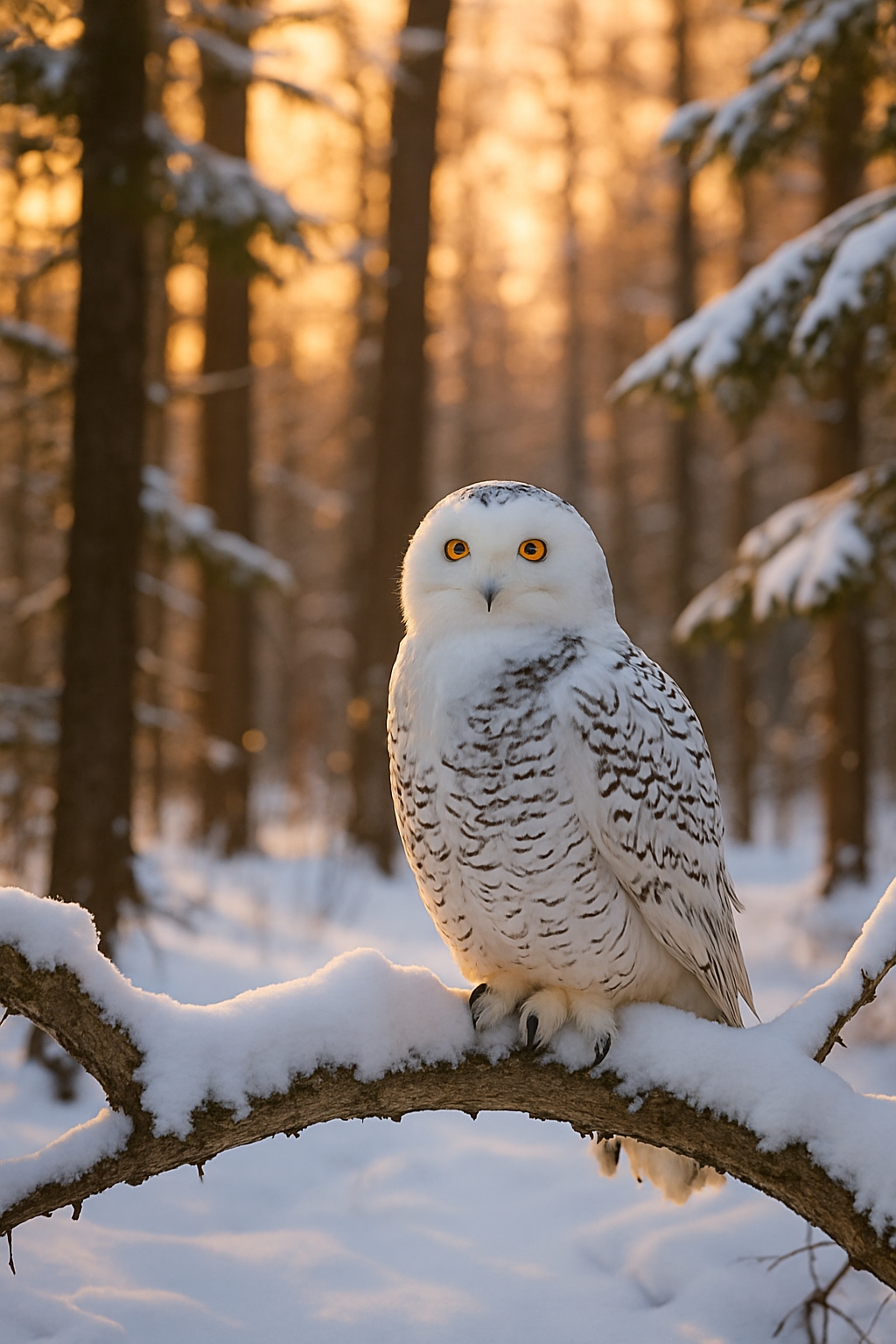
Snowy owls
-
Pine martens
-
Coyotes
-
Wild turkeys
Benefits of Winter Wildlife Viewing
-
Less crowded trails and parks mean quieter observation
-
Photographic contrast between animals and snow enhances visuals
-
Tracking opportunities in snow allow better understanding of animal movement
-
Easier to spot birds due to bare trees and open skies
Best Places for Winter Wildlife Viewing in Michigan
1. Seney National Wildlife Refuge (Upper Peninsula)
-
What to See: Bald eagles, trumpeter swans, foxes
-
Why It’s Special: Quiet snowshoe trails and frozen wetland landscapes ideal for spotting elusive creatures
2. Tahquamenon Falls State Park
-
What to See: Whitetail deer, pine martens, owls
-
Best Time: Early morning or late afternoon when animals forage for food
-
Access Tip: Snowshoe or hike from the upper falls parking lot
3. Pigeon River Country State Forest
-
What to See: Michigan’s famous elk herd
-
Recommended Trails: Elk Hill Trail and Inspiration Point
-
Note: Bring binoculars and use quiet observation tactics to respect wildlife distance
4. Sleeping Bear Dunes National Lakeshore
-
What to See: Red foxes, snowy owls, deer
-
Highlight: Pierce Stocking Scenic Drive (closed to vehicles in winter, open for hiking/snowshoeing)
5. Hiawatha National Forest
-
Wildlife: Snowshoe hares, bobcats, black-capped chickadees
-
Recommended Area: Rapid River Ranger District for quiet winter walks
6. Shiawassee National Wildlife Refuge
-
Known For: Winter birding, including northern shrikes and rough-legged hawks
-
Ideal For: Families and beginner wildlife viewers
Where to See Specific Animals in Michigan During Winter
| Animal | Best Viewing Locations | Notes |
|---|---|---|
| Elk | Pigeon River State Forest | Best viewed near sunrise/sunset |
| Bald Eagles | Seney NWR, Lake Huron shoreline, Cheboygan | Look for nests near frozen waterways |
| Snowy Owls | Mackinac Straits area, Saginaw Bay, agricultural fields | Active during daytime, uncommon in other areas |
| Whitetail Deer | State parks and forests throughout Northern Michigan | Seen near food sources and trail edges |
| Red Foxes | Sleeping Bear Dunes, forest edges | Watch open meadows early morning |
| River Otters | Tahquamenon, frozen creeks in Upper Peninsula | Look for slide trails on snow near water |
When Is the Best Time for Wildlife Viewing in Winter?
Seasonal Timing
-
January – February: Peak for snowy owl sightings, elk visibility, deer tracking
-
December: Animals still active pre-deep freeze, holiday season solitude
-
March: Transition month with increased animal movement as snow melts
Time of Day
-
Dawn and dusk: Best for deer, elk, foxes, and eagles
-
Midday: Best for birds of prey, woodpeckers, and songbirds warming in sunlight
Winter Wildlife Watching Tips for Beginners
What to Wear
-
Waterproof boots with traction
-
Thermal base layers + insulated outerwear
-
Windproof gloves and wool hat
-
Snow gaiters (optional but useful in deeper snow)
What to Bring
-
Binoculars or zoom lens
-
Wildlife field guide for Michigan
-
Trail map or GPS-enabled device
-
High-energy snacks and warm drinks
-
Notebook or voice memo app for observations
How to Behave on Trails
-
Walk slowly and pause often
-
Stay on designated paths
-
Avoid loud noises
-
Do not approach or feed animals
-
Leave no trace
Winter Birding in Michigan: A Special Highlight
Notable Winter Bird Species in Michigan
-
Snowy owl
-
Bald eagle
-
Red-breasted nuthatch
-
Rough-legged hawk
-
Common redpoll
-
Dark-eyed junco
Top Birding Locations
-
Mackinac Straits area (shoreline sightings)
-
Saginaw Bay (raptors and open water birds)
-
Sleeping Bear Dunes (shoreline flyovers and owls)
-
Shiawassee NWR (wetland birds and hawks)
Snowshoeing Trails Ideal for Wildlife Viewing
Many wildlife-rich areas are best accessed by snowshoeing. Here are top snowshoe trails where you may encounter winter wildlife.
| Trail Name | Location | Wildlife You Might See |
| Alligator Hill Trail | Sleeping Bear Dunes | Deer, owls, fox |
| Aspen Trail Loop | Seney NWR | Eagles, songbirds, otters |
| Upper Falls Trail | Tahquamenon Falls | Deer, pine marten, fox |
| Snowy Owl Lookout Path | Cheboygan State Park (unmarked) | Snowy owls, hawks, eagles |
| Rapid River Snowshoe Loop | Hiawatha National Forest | Rabbits, chickadees, weasels |
Winter Wildlife Photography Tips
-
Use a telephoto lens (200mm+ for larger animals)
-
Bring a tripod or monopod for stability
-
Use burst mode for moving subjects
-
Shoot during golden hours (early morning, late afternoon)
-
Wear muted colors to blend into surroundings
FAQs: Winter Wildlife in Michigan
What are the best places to see animals in Michigan during winter?
Pigeon River State Forest for elk, Seney National Wildlife Refuge for eagles and foxes, and Sleeping Bear Dunes for owls and deer.
Can I see snowy owls in Michigan?
Yes. Snowy owls migrate to Michigan in winter and are most often seen in open fields and shoreline areas.
What’s the best time of day for wildlife viewing?
Early morning and dusk are the best times to spot most winter wildlife.
Are there winter wildlife tours in Michigan?
Yes, some parks and refuges offer guided snowshoe walks and interpretive wildlife tours. Check local DNR or refuge websites.
What gear do I need for winter wildlife viewing?
Insulated clothing, binoculars, a camera with zoom, trail map, and snowshoes (optional for deeper snow trails).
Sustainability and Respect for Nature
-
Follow all park and trail rules
-
Do not use drones or loud devices
-
Keep pets leashed and under control (if allowed at all)
-
Share photos, not food, with wildlife
Leave No Trace Principles:
-
Plan ahead and prepare
-
Travel on durable surfaces
-
Dispose of waste properly
-
Leave what you find
-
Respect wildlife
-
Be considerate of other visitors
When to Plan Your Visit to The Inn at Stonecliffe
While our doors close during the snowy months, many of our guests find winter inspiration here and return during spring and summer to explore Mackinac Island in full bloom. Plan your visit around:
-
Spring bird migration (April–May)
-
Summer trail hiking and wildlife exploration
-
Fall foliage paired with late-season animal activity
Join our email list to be the first to hear when booking opens for the new season.
Conclusion: Experience the Wild Stillness of Michigan in Winter
Winter wildlife viewing in Michigan is more than an outdoor activity – it’s a meditative encounter with nature’s resilience and beauty. From snowy owls perched on branches to elk navigating snow-covered clearings, each moment is a reward for those who venture out.
Though The Inn at Stonecliffe sleeps under its blanket of snow, our passion for Michigan’s natural world remains wide awake. Use this guide to explore the state’s most peaceful places, and when the snow melts, return to us for the full Mackinac Island experience — where adventure, elegance, and the wild meet again.
Read other posts