Christmas Tree Farms in Northern Michigan: The Complete Guide to U-Cut Adventures, Holiday Traditions, and Fresh Evergreen Experiences
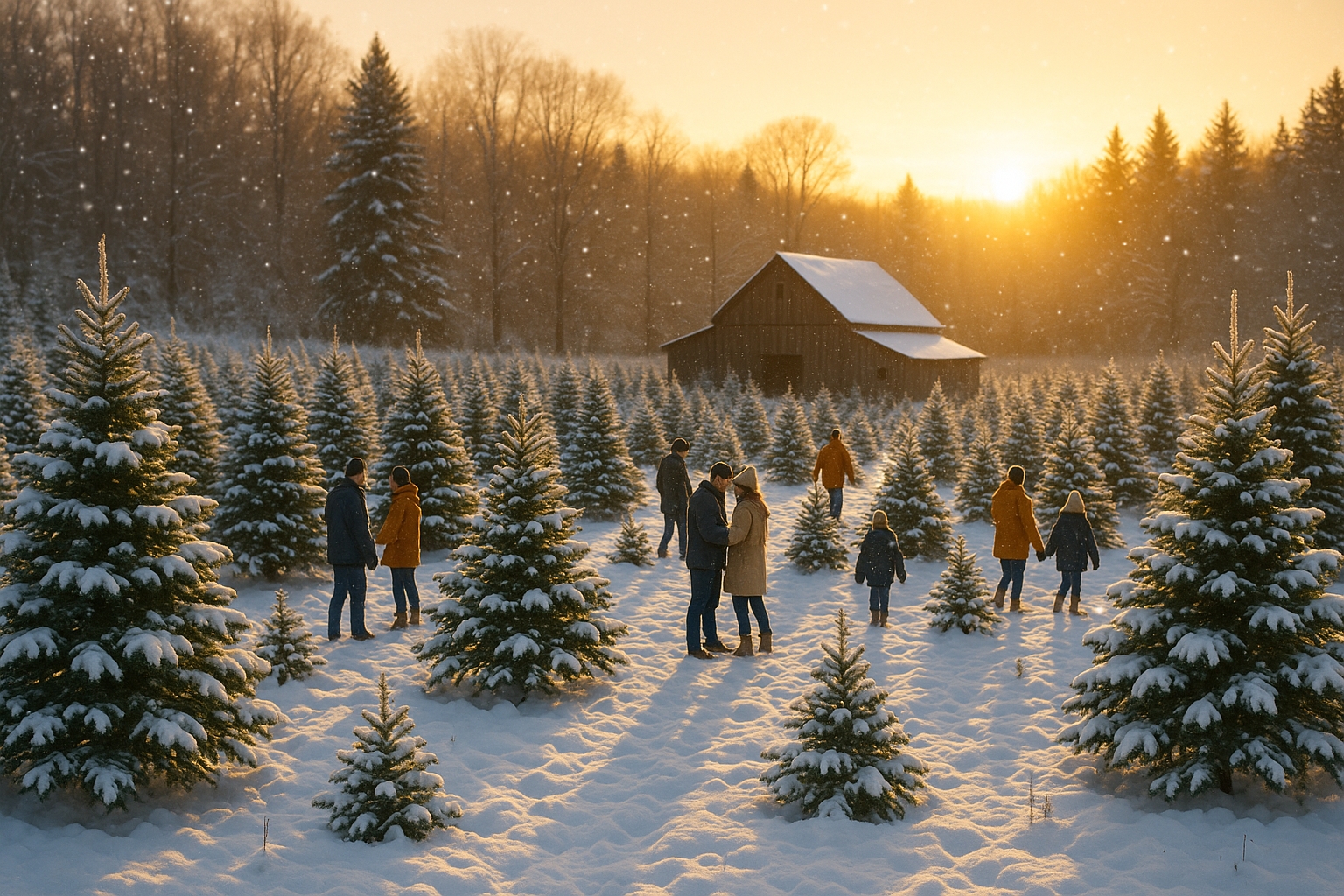
Northern Michigan becomes a landscape of stillness and evergreen beauty each December, offering one of the Midwest’s most beloved seasonal traditions: choosing a real Christmas tree from a local farm. The region’s climate, soil quality, and longstanding agricultural heritage make it one of the country’s most fertile areas for growing fir, spruce, and pine trees. As a result, families return year after year to U-cut farms and holiday markets across the northern counties, building rituals around cocoa stands, scenic drives, horse-drawn wagon rides, and the unmistakable scent of freshly cut balsam.
This comprehensive guide is designed to be the most authoritative online resource for Christmas tree farms in Northern Michigan. It covers the region’s top farms, best routes, what tree varieties thrive here, visitor tips, sustainability insights, holiday markets, pricing considerations, dog-friendly policies, and local stops worth pairing with your outing. It also includes answers to high-intent questions frequently surfaced in Google’s People Also Ask and AI Overview modules, ensuring travelers have the clearest, most detailed insight available.
As always, this content follows The Inn at Stonecliffe’s strategic winter guidelines — no winter visitation or booking suggestions, as the property is closed during this season. This guide focuses exclusively on regional agritourism and local holiday experiences, not on winter stays.
Why Northern Michigan Is One of the Best Regions for Christmas Tree Farms
Northern Michigan offers ideal conditions for growing high-quality Christmas trees. The region’s glacial soils, consistent snow cover, abundant rainfall, and cooler temperatures support dense, hardy evergreens with rich color, superior needle retention, and excellent fragrance. This has made the area one of the strongest tree-growing regions in the Midwest, with farms that specialize in Fraser fir, Douglas fir, blue spruce, balsam fir, white pine, and Concolor fir.
The Climate Advantage
Tree farms between Traverse City, Petoskey, Gaylord, and Charlevoix benefit from:
• Well-drained sandy loam soils favorable to fir and spruce
• Stable winter dormancy that protects needles and buds
• Abundant precipitation during the growing season
• Elevation patterns that reduce fungal pressure and support stronger root systems
Compared to downstate regions, Northern Michigan farms often produce:
• Denser branches
• Longer needle retention
• More uniform symmetry
• Slower, more controlled growth
This is why many Michigan families consider Northern Michigan their top choice for cut-your-own Christmas trees.
Most Popular Christmas Tree Varieties in Northern Michigan
Northern Michigan growers are known for offering a wide range of tree species. Each has its own scent, color, shape, and durability, making it easy for families to choose a tree that matches their preferred aesthetic and maintenance level.
Fraser Fir
The region’s most popular tree for its exceptional durability.
Characteristics:
• Strong branches for heavy ornaments
• Rich green color
• Soft needles
• Excellent needle retention
Best for households that decorate early or use heavier décor.
Balsam Fir
A classic Northern Michigan favorite with a traditional holiday scent.
Characteristics:
• Deep green needles
• Strong fragrance
• Flexible branches
• Consistent conical shape
A top pick for families who want a fragrant tree but prefer softer branches.
Blue Spruce
Known for its dramatic silvery-blue tone.
Characteristics:
• Striking blue-gray coloration
• Stiff branches
• Good needle retention
Ideal for those seeking a bold, wintery look.
Douglas Fir
Soft, full, and lightweight — excellent for families with younger children.
Characteristics:
• Soft needles
• Full appearance
• Lighter branches
• Gentle fragrance
Frequently selected by those wanting a lush, soft-touch tree.
White Pine
Loved for its soft texture and graceful, wispy branches.
Characteristics:
• Very long, soft needles
• Gentle appearance
• Mild fragrance
Best for lighter ornaments and natural décor styles.
The Top Christmas Tree Farms in Northern Michigan
This section highlights the region’s most reputable farms based on tree quality, farm experience, accessibility, and multigenerational history. Each location is known for producing high-quality evergreens and offering a safe, welcoming environment for families.
(Note: All farms listed below operate independently; hours and availability vary by season. Always verify directly with each property before visiting.)
Coveyou Scenic Farm Market – Petoskey
A longstanding Petoskey landmark with sweeping views of the rolling countryside. Though known primarily as a market, Coveyou often hosts seasonal greenery offerings, including fresh holiday wreaths, cut greens, and Christmas trees sourced from Michigan growers.
Highlights:
• One of the most scenic holiday markets in Northern Michigan
• Emphasis on local agriculture and sustainable practices
• Farm-fresh goods, gifts, greenery, and artisanal products
• Easy access from Petoskey, Harbor Springs, and Charlevoix
Best For: Those who want a holiday market experience paired with regional greenery.
Uncle Frank’s Apple Town – Brutus
A family-owned, family-friendly farm specializing in Christmas trees, cider, doughnuts, seasonal markets, and winter traditions.
Highlights:
• Fresh-cut holiday trees
• Seasonal baked goods and warm beverages
• Farm store with local specialties
• Laid-back, community-focused atmosphere
Best For: Families with children seeking a warm, casual farm experience.
Dutchman Tree Farms – Manton
One of the largest and best-known tree growers in Northern Michigan, Dutchman supplies fresh Christmas trees across the region and beyond.
Highlights:
• Large-scale grower with exceptional tree consistency
• Wide selection of fir and spruce varieties
• Known for color, shape, and fragrance quality
• Dependable supply throughout the season
Best For: Those looking for high-quality cut trees with uniform shaping.
Halsell Tree Farm – Buckley
A classic rural farm ideal for families seeking a traditional U-cut experience.
Highlights:
• Cut-your-own options across multiple varieties
• Hand tools available onsite
• Quiet, scenic country setting
• Friendly, family-centered operation
Best For: Visitors who want the quintessential tree-cutting tradition.
Royal Farms – Ellsworth
A longstanding Northern Michigan favorite known for its orchard, winery, bakery, and seasonal holiday offerings.
Highlights:
• Tree sales complemented by farm market goods
• Holiday bakery items, gifts, and wine
• Indoor and outdoor seasonal décor
• Family-friendly atmosphere
Best For: Pairing tree shopping with a wider holiday market experience.
What to Expect at a Northern Michigan Christmas Tree Farm
While every farm differs in style and size, most offer a combination of U-cut options, pre-cut trees, farm markets, and holiday attractions. Understanding what’s available can help travelers plan a smoother and more enjoyable outing.
U-Cut vs. Pre-Cut Trees
U-Cut Experience:
• Walk the fields to select your tree
• Use provided saws
• Cut the tree yourself
• Transport it to the baler
Pre-Cut Experience:
• Choose from trees already cut for the season
• Typically displayed by height and variety
• Faster visit with minimal walking
Families who love the outdoors typically choose U-cut, while those on a tight schedule often opt for pre-cut selections.
Additional Farm Features
Many Northern Michigan farms also offer:
• Wreath-making workshops
• Holiday markets and craft goods
• Fire pits and warming stations
• Hot cocoa and cider
• Holiday photo areas
• Tractor or wagon rides (weather permitting)
• Sledding hills at select farms
These experiences can turn a simple tree purchase into a seasonal tradition.
Dog-Friendly Policies
Several Northern Michigan farms welcome leashed dogs. However, policies vary significantly, so travelers should always confirm in advance. Typical guidelines include:
• Dogs must remain leashed at all times
• Owners must clean up after pets
• Dogs should stay clear of equipment, balers, and cutting areas
For families with pets, choosing a farm that welcomes animals can make the outing more festive.
When Northern Michigan Christmas Tree Farms Open for the Season
Most farms in Northern Michigan begin selling trees:
Opening Window:
• The weekend before Thanksgiving
• Through late December, depending on supply
Peak demand typically occurs during:
• Thanksgiving weekend
• First two weekends of December
Because Northern Michigan experiences early snow and colder temperatures, opening hours can shift with weather conditions. Calling ahead ensures availability and safe access.
Tips for Choosing the Best Christmas Tree at a Northern Michigan Farm
Selecting the right tree involves more than shape alone. The following guidelines help ensure a long-lasting, vibrant holiday centerpiece.
1. Check Needle Retention
Gently run your hand down a branch. Healthy needles should remain firmly attached.
2. Examine Color and Density
Look for consistent green or blue-green color with no significant browning.
3. Assess Branch Strength
Choose the appropriate branch flexibility based on your decorations.
4. Measure Before You Arrive
Many households mistakenly buy trees too wide or tall.
Measure:
• Ceiling height
• Available width
• Space for lights and tree toppers
5. Inspect the Trunk
A straight trunk simplifies setup and ensures stability.
What to Bring to a Christmas Tree Farm in Northern Michigan
Because winter arrives early in Northern Michigan, visitors should prepare accordingly.
Essential Items
• Warm, waterproof boots
• Thick gloves
• Tape measure
• Roof straps or twine (farms often supply, but not always)
• A blanket or tarp to protect vehicle interior
• Cash or card depending on the farm’s payment options
Weather Considerations
Expect:
• Snow-covered fields
• Slippery terrain
• Wind chills
• Uneven ground
Dressing appropriately ensures a comfortable outing, especially with children.
Safety Considerations for Winter Farm Visits
Given the region’s climate, safety must be part of every holiday tree outing.
Winter Driving Conditions
Northern Michigan can experience:
• Snow squalls
• Black ice
• Reduced visibility
• Rapid temperature drops
Always monitor conditions and carry an emergency kit.
On-Farm Safety
• Keep children clear of cutting areas
• Stay aware of farm equipment
• Use provided saws safely
• Follow staff instructions
Farm teams are trained to guide visitors through safe tree-cutting procedures.
The Best Northern Michigan Christmas Tree Route Itineraries
To help travelers plan their outings, the following curated itineraries highlight the most scenic drives, highest-quality farms, and best pairings of food, markets, and roadside stops. These routes prioritize safe winter driving, regional accessibility, and local agritourism without any references to lodging, consistent with The Inn at Stonecliffe’s winter-closure guidelines.
Route 1: The Petoskey–Harbor Springs Evergreen Loop
This route is ideal for families starting in Petoskey, Charlevoix, Walloon Lake, or Harbor Springs. With scenic lake views, rolling farmland, and easy access to markets and tree farms, it delivers one of the most beautiful holiday drives in Northern Michigan.
Suggested Farm Stops
-
Coveyou Scenic Farm Market – Petoskey
Known for fresh greenery, wreaths, and a high-quality seasonal market featuring local products. -
Uncle Frank’s Apple Town – Brutus
Excellent for families; features seasonal baked goods, cider, and festive treats.
Additional Stops Along the Route
• Farm markets and roadside stands with winter produce
• Local bakeries offering holiday pastries
• Scenic turnouts overlooking Little Traverse Bay
Why This Route Works Well
• Easy winter road maintenance
• Close proximity between farm locations
• Wide selection of trees and specialty greenery
• Great for those who want a shorter half-day outing
Route 2: The Traverse City–Leelanau Peninsula Tree Trail
One of the most picturesque drives in Northern Michigan, this itinerary pairs panoramic vineyard views with rolling farmland and quiet country roads.
Suggested Farm Stops
-
Halsell Tree Farm – Buckley
A classic U-cut experience with multiple tree varieties. -
Dutchman Tree Farms – Manton
Ideal for those who want premium-shaped fir and spruce trees.
Additional Stops Along the Route
• Local farm markets with holiday baked goods
• Wineries offering seasonal tastings
• Leelanau scenic overlooks
Why This Route Works Well
• Access to abundant tree varieties
• Opportunity to pair the outing with winter markets
• Ideal for holiday photography with snow-covered landscapes
Route 3: The Chain of Lakes Christmas Tree Drive
Perfect for those near Elk Rapids, Bellaire, or Torch Lake.
Suggested Farm Stops
• Farms in the Ellsworth–Atwood area, including Royal Farms, known for its orchard goods, bakery items, and festive décor.
Additional Stops Along the Route
• Scenic lakeside pull-offs
• Holiday artisan shops
• Local cafés and small-town markets
Why This Route Works Well
• Minimal traffic
• Wide-open winter scenery
• Perfect for pairing with local gift shopping
Sustainable Christmas Tree Farming in Northern Michigan
Michigan’s Christmas tree industry is rooted in sustainable forestry practices. Many of the farms in Northern Michigan are family-owned operations that have stewarded their land across multiple generations, preserving soil quality, promoting biodiversity, and using eco-forward growing techniques.
How Christmas Tree Farms Support the Environment
Contrary to common belief, real Christmas trees are far more environmentally sustainable than artificial ones. Michigan growers contribute positively through:
1. Carbon Sequestration
Each acre of Christmas trees absorbs an estimated one ton of carbon dioxide annually.
2. Soil Conservation
Tree farms prevent erosion, support root biodiversity, and maintain soil structure across rolling terrain.
3. Wildlife Habitat
Farms often provide habitat for birds, deer, foxes, and other wildlife species that rely on evergreen cover.
4. Local Economic Impact
Northern Michigan’s tree farms support local families, regional jobs, and rural communities.
Sustainable Farming Practices Used in the Region
Most reputable Northern Michigan farms implement:
• Integrated pest management
• Soil health monitoring
• Responsible fertilizer use
• Staggered planting cycles
• Native species preservation
• Habitat protection for beneficial wildlife
These practices ensure a healthy, long-term ecological balance while producing consistent, high-quality Christmas trees.
Holiday Markets, Farm Stores, and Seasonal Goods
In Northern Michigan, selecting a Christmas tree is often just part of the holiday experience. Many farms and nearby markets offer festive goods that make an outing more memorable.
Fresh Greenery and Natural Décor
Common items include:
• Wreaths
• Garland
• Porch pots
• Winterberry bundles
• Centerpieces
• Birch branch décor
• Evergreen swags
Most are handcrafted using Michigan-grown materials, often arranged on-site by farm staff.
Baked Goods and Warm Seasonal Treats
Visitors often find:
• Hot cocoa
• Cider
• Fresh doughnuts
• Pies
• Cookies
• Artisan breads
These offerings help families warm up after walking tree fields.
Farm Markets and Gift Items
Holiday markets at or near tree farms often sell:
• Local honey
• Jams and preserves
• Maple syrup
• Small-batch holiday candles
• Handcrafted ornaments
• Locally made soaps and lotions
• Regional artwork
These items make excellent gifts and help support Northern Michigan artisans.
Accessibility Considerations at Tree Farms
Winter terrain can be challenging, but several Northern Michigan farms provide accessible options for guests who may not be able to walk long distances across uneven ground.
Accessibility Options May Include:
• Pre-cut tree lots located close to parking areas
• Accessible indoor farm stores
• Covered barns for wreath and décor sales
• Smooth gravel paths or compacted trails
• Staff assistance with tree selection, cutting, baling, and loading
Guests with accessibility needs should call ahead, as each farm’s terrain and staffing vary.
How to Care for a Real Christmas Tree After You Bring It Home
Tree longevity depends on proper care from the moment it’s cut.
Step 1: Make a Fresh Cut
Remove ½–1 inch from the trunk base before placing it in water.
Step 2: Hydrate Immediately
Place the tree in water within 30 minutes to maximize uptake.
Step 3: Use a Sturdy Stand With Adequate Capacity
Most trees need at least one quart of water per inch of trunk diameter.
Step 4: Keep Away From Heat Sources
Avoid locating the tree near:
• Heating vents
• Fireplaces
• Wood stoves
• Radiators
Step 5: Monitor Water Levels Daily
A tree may absorb nearly a gallon of water in the first 24 hours.
Recycling and Disposal Options for Christmas Trees in Northern Michigan
Many Northern Michigan communities offer tree recycling programs designed to keep evergreens out of landfills and repurpose them for environmental benefit.
Common Recycling Methods
• Mulching for local parks and trails
• Soil erosion control on dunes and shorelines
• Habitat creation for fish and wildlife
• Composting and woodchip production
These programs support the region’s environmental health and close the loop on sustainable holiday practices.
Pricing Guide: What to Expect at Northern Michigan Tree Farms
Tree pricing can vary based on species, height, and farm location. The following ranges represent typical rates across the region.
U-Cut Trees
• $50–$90 for 6–8 ft trees
• Premium fir varieties may cost more
Pre-Cut Trees
• $60–$120 depending on species and height
• Specialty trees often priced at a premium
Wreaths and Greenery
• $20–$50 for wreaths
• $25–$60 for garland or porch pots
Prices fluctuate based on availability and demand.
Weather Patterns and Winter Travel Tips
Northern Michigan’s winter landscape is beautiful but unpredictable. December and early January commonly bring:
• Regular snowfall
• Occasional lake-effect snow bands
• High winds
• Rapid temperature drops
Winter Driving Tips
• Check weather forecasts before departure
• Maintain ample fuel
• Carry an emergency kit
• Keep a snow brush and ice scraper in the car
• Use all-wheel or four-wheel drive when possible
Planning ahead ensures a safe journey, especially for families traveling with children.
The History of Christmas Tree Farming in Northern Michigan
Northern Michigan’s Christmas tree farming heritage stretches back more than a century. Generational farms across Antrim, Emmet, Charlevoix, Grand Traverse, Wexford, and Otsego Counties have cultivated fir, spruce, and pine for decades, shaping one of the Midwest’s most resilient agricultural industries.
Early Roots in Regional Agriculture
Tree farming began to grow in popularity in Michigan in the early 1900s, but it expanded dramatically between the 1950s and 1980s as families increasingly selected real Christmas trees over artificial alternatives. Northern Michigan’s agricultural communities embraced tree farming because:
• The land was already suited for evergreen cultivation
• The terrain and soil mirrored natural conifer habitats
• Seasonal cycles matched the needs of fir and spruce species
• Multigenerational farm families were skilled in sustainable cultivation
As a result, the region became home to dozens of family-owned farms supplying both local and national markets.
Michigan as a Leading National Tree Producer
Michigan consistently ranks among the top Christmas tree–producing states in the country, thanks largely to the acreage found across the northern counties.
Reasons for Michigan’s prominence include:
• Large, undeveloped tracts of rural land
• Excellent tree-growing climate
• Strong farming culture
• Sustainable forestry practices
• Access to local and interstate distribution networks
Northern Michigan alone encompasses thousands of acres of Christmas tree farmland.
Multi-Generational Excellence
Many of the region’s most respected farms have been in operation for 40, 60, or even 80+ years. These farms often combine:
• Traditional planting methods
• Modern soil science
• Careful shaping and pruning
• Personalized service
The longevity of these farms reflects both dedication to quality and stewardship of the land.
Photo and Holiday Memory Opportunities at Northern Michigan Farms
Families often visit Northern Michigan tree farms not just for the tree itself but for the annual memory-making it represents. The snowy landscapes, rustic barns, and evergreen rows offer perfect backdrops for seasonal photography.
Ideal Photography Spots on Farms
Common photo settings include:
• Snow-dusted fields
• Rows of tall fir trees
• Barns decorated with wreaths
• Holiday signage
• Wooden fences and vintage tractors
• Farm shops with greenery displays
These elements help create timeless holiday photographs.
Tips for Capturing Great Photos
1. Visit Early in the Day
Morning light creates soft shadows ideal for outdoor photography.
2. Dress in Coordinated Layers
Winter colors (burgundy, navy, olive, cream) contrast beautifully with deep green evergreens.
3. Choose a Clear or Light-Snow Day
Soft snowfall enhances photos, but heavy snow may reduce visibility.
4. Incorporate Natural Props
Branches, wreaths, and greenery add texture and seasonal tone.
The Cultural Significance of Real Christmas Trees in Northern Michigan
Beyond their environmental value, real Christmas trees represent a cultural tradition deeply rooted in Northern Michigan.
A Generational Ritual
Families often return to the same farm each year, building a sense of continuity and shared memory. Many farms have customers who have visited for decades — and now bring their own children or grandchildren.
Local Pride and Community Impact
Tree farms and their associated markets:
• Support local artisans
• Sponsor holiday events
• Contribute to regional identity
• Strengthen rural economies
The purchase of a real tree becomes an act of community support.
Reinforcing Seasonal Heritage
Northern Michigan’s early winters and evergreen landscapes shape the holiday ambiance of the region. Owning a real tree is widely viewed as a way to honor:
• Natural beauty
• Seasonal change
• Family tradition
• Regional culture
This sense of connection adds meaning to every tree-cutting experience.
Pairing Tree Farm Visits With Local Experiences
While the focus of this guide is tree farms, visitors often enhance their outing by exploring nearby communities. The following activities complement a day spent selecting a tree, without referencing seasonal lodging — fully aligned with The Inn at Stonecliffe’s winter closure period.
Seasonal Food Stops
Northern Michigan winter food culture is robust, with many small-town businesses offering comforting, seasonal specialties.
Common offerings include:
• Warm soups and stews
• Farm-baked pies
• Cinnamon rolls
• Fresh doughnuts
• Holiday cookies
• Locally roasted coffee
Small cafés and bakeries throughout Petoskey, Traverse City, Charlevoix, and Harbor Springs offer cozy winter atmospheres ideal after a cold farm visit.
Holiday Shopping
Tree farm trips often pair well with regional holiday shopping. Popular options include:
• Artisan gift shops
• Winter markets
• Local gallery boutiques
• Regional specialty food stores
• Farm markets with handmade goods
Many families treat this as part of their annual holiday preparation.
Scenic Winter Stops
Northern Michigan’s landscapes offer stunning vantage points in December. Visitors often combine tree farm outings with stops such as:
• Snow-covered lake overlooks
• Waterfront parks
• Woodland hiking trails
• Winter photography spots
• Historic small-town districts decorated for the holidays
These stops contribute to the region’s celebrated holiday aesthetic.
Frequently Asked Questions About Christmas Tree Farms in Northern Michigan
What are the best Christmas tree farms in Northern Michigan?
Top options include Coveyou Scenic Farm Market in Petoskey, Uncle Frank’s Apple Town in Brutus, Dutchman Tree Farms in Manton, Halsell Tree Farm in Buckley, and Royal Farms in Ellsworth. These farms are known for high-quality evergreens, family-friendly experiences, and longstanding agricultural heritage.
When do Christmas tree farms open in Northern Michigan?
Most open the weekend before Thanksgiving and operate through mid– to late December. Peak weekends include Thanksgiving weekend and the first two weekends of December.
What types of Christmas trees grow best in Northern Michigan?
Fraser fir, balsam fir, blue spruce, Douglas fir, and white pine thrive in the region’s cool climate and well-drained soils. Fraser fir is the most popular due to its needle retention and durability.
Are U-cut Christmas tree farms cheaper?
Often yes. U-cut trees can cost slightly less than premium pre-cut options, though prices depend on species and height. Families also value the experiential aspect of walking fields and selecting a tree directly from the farm.
How long will a real Christmas tree last?
Most trees last 4–6 weeks with proper care, including a fresh trunk cut, immediate watering, daily watering checks, and placement away from heat sources.
Do Northern Michigan farms allow dogs?
Some do. Policies vary, but many farms allow leashed dogs as long as owners follow safety and cleanliness guidelines. Always check ahead.
Key Takeaways: Why Northern Michigan Is an Exceptional Place to Experience Christmas Tree Farms
• Ideal climate produces high-quality fir and spruce varieties
• Multiple generations of family farmers ensure expertise and quality
• Scenic winter landscapes enhance the holiday experience
• Wide variety of U-cut and pre-cut options
• Numerous nearby markets and artisanal shops
• Strong sustainability practices among local growers
• Well-established winter traditions deeply rooted in the region’s culture
Northern Michigan offers one of the Midwest’s most authentic and memorable Christmas tree–selecting experiences, supported by exceptional agricultural heritage and a deeply embedded holiday spirit.
The Future of Christmas Tree Farming in Northern Michigan
Christmas tree farming continues to evolve in response to environmental shifts, consumer preferences, and agricultural innovation. Northern Michigan farmers are implementing new techniques, adapting to market trends, and strengthening sustainable practices to meet future demand.
Shifts in Consumer Preferences
Recent patterns influencing the industry include:
• Increased interest in real trees due to sustainability awareness
• Higher demand for fuller, premium-shaped Fraser fir and balsam fir
• Growing appreciation for local agriculture and small businesses
• Expanded desire for holiday experiences beyond tree purchasing
This shift has encouraged many farms to expand their retail offerings, add holiday events, and create more family-focused experiences.
Agricultural Innovations Improving Tree Quality
Northern Michigan growers continue to integrate innovations such as:
1. Improved Soil Analysis
More farms now use annual soil sampling and nutrient mapping to optimize growing conditions and ensure consistent evergreen coloration and needle retention.
2. Advanced Pruning and Shearing Techniques
Refined shaping methods produce more symmetrical trees with balanced density.
3. Enhanced Seedling Selection
Growers increasingly source high-quality seedlings from advanced nurseries, focusing on disease resistance and climate resilience.
4. Irrigation Optimization
Even though the region receives significant natural precipitation, strategic irrigation helps young seedlings thrive during drier summers.
Responding to Climate Variability
While Northern Michigan’s climate is well-suited to conifers, farmers are adapting to irregular seasonal patterns:
• Warmer-than-usual falls affecting frost timing
• Occasional late-spring frosts impacting early growth
• Varying precipitation patterns influencing seedling survival
In response, many farms implement:
• Microclimate mapping
• Staggered planting calendars
• Frost-protection practices
• Terrain diversification to reduce climate risk
These adjustments ensure long-term viability of the region’s tree stock.
Understanding Christmas Tree Harvesting Cycles
Unlike annual crops, Christmas trees follow a slow, steady growth cycle that requires long-term planning and careful stewardship.
The 7–12 Year Growth Timeline
Most Christmas trees take:
• 7–10 years for Douglas fir
• 8–12 years for Fraser fir
• 10–14 years for blue spruce
This means farms must manage acreage years in advance, planting new seedlings annually to sustain future supply.
Seasonal Milestones in the Growing Cycle
Spring
• Planting of new seedlings
• Soil monitoring and fertilization
Summer
• Weed control
• Insect and disease monitoring
• Shearing and shaping
Fall
• Preparation for winter dormancy
• Field maintenance
Winter
• Cutting, baling, and selling mature trees
• Preparing fields for post-harvest assessment
The slow rhythm of this cycle reflects the deep commitment of Northern Michigan growers.
Christmas Tree Varieties: A Detailed Comparison Table
A high-value resource for shoppers choosing the right tree.
| Tree Variety | Color | Needle Texture | Branch Strength | Fragrance | Best For |
|---|---|---|---|---|---|
| Fraser Fir | Deep green | Soft | Excellent | Moderate–strong | Heavy ornaments, long display periods |
| Balsam Fir | Dark green | Soft | Moderate | Strong | Traditional scent lovers |
| Blue Spruce | Blue-gray | Stiff | Excellent | Mild | Dramatic color, heavier ornaments |
| Douglas Fir | Bright green | Very soft | Light–moderate | Mild–sweet | Families with young children |
| White Pine | Light green | Very soft, long needles | Light | Subtle | Natural, minimalist décor |
Northern Michigan Christmas Tree Farm Etiquette
To support farm staff and preserve safety, visitors should follow established etiquette during their outings.
Respect Farm Boundaries
Stay within marked pathways and cutting areas. Many farms maintain sensitive seedling zones that must remain undisturbed.
Follow Saw and Equipment Guidelines
Use only the equipment provided. Chainsaws are rarely permitted for safety reasons.
Supervise Children Closely
Tree fields may contain uneven terrain, stumps, or ice patches.
Keep Pets Controlled
If pets are allowed, ensure they are leashed and avoid areas with cutting activity.
Support Local Farmers
Purchasing wreaths, greenery, or goods from the farm store helps sustain regional agriculture.
Regional Spotlight: County-by-County Overview of Northern Michigan Tree Farming
Northern Michigan’s Christmas tree landscape stretches across several key counties, each with its own strengths and agricultural heritage.
Emmet County
Known for scenic farmland and small family-owned operations. Popular for visitors from Petoskey and Harbor Springs.
Charlevoix County
Characterized by rolling hills, lake views, and vibrant farm markets offering greenery and holiday goods.
Antrim County
Home to farms blending orchards, wineries, and holiday retail, creating immersive winter experiences.
Grand Traverse County
Abundant farmland and easy highway access make it an excellent region for U-cut outings.
Wexford County
Features large-scale growers and traditional family-run farms, with consistent supply across the season.
Otsego County
Rural landscapes and cold winters help produce hardy, resilient evergreen varieties.
Planning a Full-Day Christmas Tree Adventure in Northern Michigan
A successful outing combines preparation, timing, and thoughtful pairing of experiences.
Suggested Timeline
Morning
• Depart early to take advantage of daylight
• Visit your selected farm for U-cut or pre-cut options
• Explore farm shops, markets, or treats
Midday
• Enjoy a warm lunch at a local café
• Visit a holiday market or artisan shop
Afternoon
• Capture winter photos at a scenic overlook
• Pick up baked goods or greenery for home
Evening
• Return home to set up and hydrate the tree
• Begin decorating or let branches settle overnight
This structure helps families enjoy the full experience at a relaxed pace.
Why Real Trees Matter: Environmental and Emotional Benefits
Real Christmas trees offer unique advantages over artificial alternatives.
Environmental Benefits
• Renewable and biodegradable
• Support soil conservation
• Capture carbon dioxide
• Sustain rural economies
• Provide wildlife habitat
Artificial trees, by contrast:
• Are made from petroleum-based plastics
• Often contain metal components
• Are not biodegradable
• Typically require long-distance shipping
Emotional Benefits
Real trees evoke:
• Seasonal nostalgia
• Childhood memories
• The scent of the holidays
• Traditions shared across generations
Selecting a real tree enhances the meaning of the season and fosters lasting family experiences.
Final Thoughts: The Enduring Magic of Northern Michigan Tree Farms
Northern Michigan remains one of the most extraordinary regions in the Midwest for Christmas tree traditions. Its combination of exceptional growing conditions, deep-rooted agricultural culture, sustainable practices, and breathtaking winter landscapes creates a holiday experience unlike anywhere else.
Families return year after year because the tradition is more than purchasing a tree. It is a moment of connection — with nature, with community, and with one another.
The farms featured throughout this guide represent the region’s dedication to quality, stewardship, and hospitality. Their work ensures that Northern Michigan’s long-standing holiday traditions continue to thrive for future generations.
Read other posts