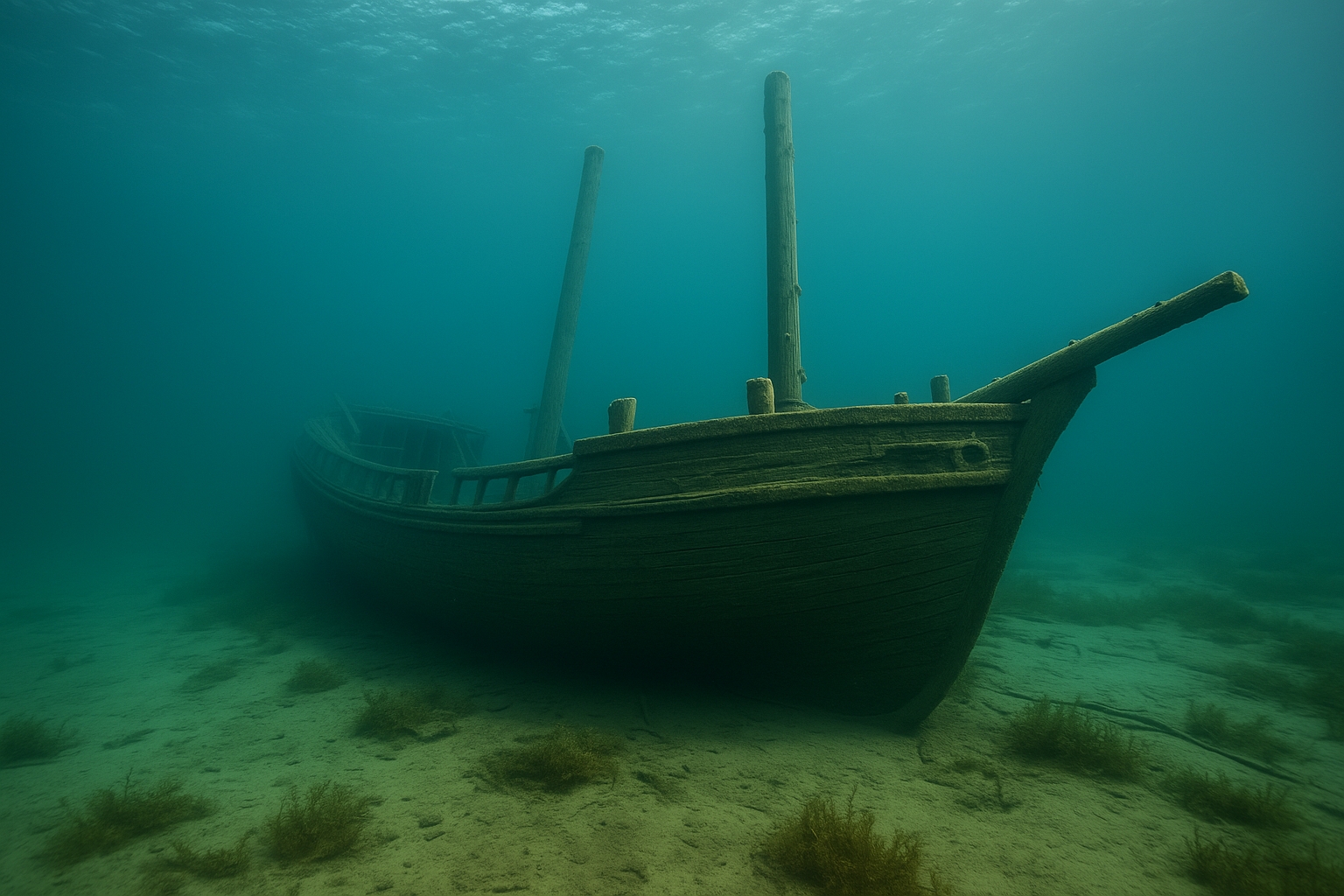
How Many Shipwrecks Are in the Great Lakes? Uncovering the Depths of North America's Inland Seas
Introduction: Beneath the Surface of the Great Lakes
The Great Lakes – Superior, Michigan, Huron, Erie, and Ontario – are more than a freshwater wonder; they are home to over 6,000 documented shipwrecks, with estimates suggesting thousands more yet undiscovered. These inland seas hold stories of tragic storms, maritime triumphs, and historical intrigue beneath their glassy surfaces. Some lie preserved in astonishing detail, thanks to cold freshwater and low oxygen levels.
Whether you're a maritime history enthusiast, a curious traveler planning your next summer escape to Michigan, or a diver seeking your next underwater adventure, understanding the scope of these shipwrecks is both fascinating and awe-inspiring. At The Inn at Stonecliffe – nestled high above Lake Huron on Mackinac Island – guests have a front-row seat to explore this legacy during the open season from May through October.
How Many Shipwrecks Are in the Great Lakes?
Estimated Total: Over 6,000 Known Wrecks
-
Conservative estimate: 6,000 shipwrecks
-
Estimated lives lost: Over 30,000
-
Undiscovered shipwrecks: Possibly over 3,000 more
-
Oldest shipwreck: Le Griffon, 1679 (still undiscovered)
The number is not exact due to:
-
Incomplete historical records
-
Wrecks lost in deep or remote areas
-
Ice and weather shifting wreckage over time
Why Are There So Many Shipwrecks in the Great Lakes?
1. Treacherous Weather Patterns
-
Sudden storms, rogue waves, and squalls
-
November gales (e.g. the 1913 Great Lakes Storm)
-
Rapid temperature drops causing hull stress
2. High Maritime Traffic
-
Major shipping hub during the 19th and 20th centuries
-
Movement of lumber, coal, iron ore, and grain
-
Over 10,000 ships active during peak eras
3. Challenging Geography
-
Hidden reefs, shallow shoals, narrow channels
-
Dense fog and limited navigation tools in early eras
-
Icebergs and sheet ice during colder months
4. Navigational Errors
-
Early mariners relied on visual cues, compasses, and charts
-
Fog, darkness, and human error led to collisions and groundings
Shipwreck Statistics by Lake
| Great Lake | Estimated Wrecks | Known For | Deepest Wreck |
|---|---|---|---|
| Lake Superior | ~350+ | Cold, deep waters, Edmund Fitzgerald | Kamloops (280 ft) |
| Lake Michigan | ~1,500 | Dense shipping lanes, accessible diving | SS Eastland (40 ft) |
| Lake Huron | ~1,200+ | Thunder Bay Shipwreck Preserve | Pewabic (~160 ft) |
| Lake Erie | ~2,000 | Shallow, storm-prone | Dean Richmond (~100 ft) |
| Lake Ontario | ~500 | Fewer storms, better preservation | HMS Ontario (~300 ft) |
The Most Famous Shipwrecks in the Great Lakes
SS Edmund Fitzgerald – Lake Superior
-
Sank: November 10, 1975
-
Lives lost: 29
-
Cause: Still debated – storm, structural failure, or grounding
Le Griffon – Lake Michigan
-
Sank: 1679
-
First ship to sail the upper Great Lakes
-
Never found, subject of folklore and ongoing searches
Carl D. Bradley – Lake Michigan
-
Sank: 1958
-
Limestone carrier, 33 of 35 lives lost
-
Found in 1959, remarkably preserved
SS Eastland – Lake Michigan (Chicago River)
-
Sank: 1915 while docked
-
844 lives lost – deadliest Great Lakes disaster
-
Overcrowding caused vessel to tip while still tied to dock
Preserved Shipwrecks in the Great Lakes: Freshwater Time Capsules
Why Are Great Lakes Wrecks So Well Preserved?
-
Cold water temperatures: Slow decay
-
Low oxygen levels: Inhibit bacterial activity
-
Lack of salt: Prevents rapid corrosion
-
Limited marine life: No wood-eating organisms like shipworms
Thunder Bay National Marine Sanctuary: Michigan’s Underwater Museum
Located in Lake Huron off the coast of Alpena, Michigan, Thunder Bay is home to:
-
Over 100 shipwrecks
-
Vessels from wooden schooners to steel freighters
-
Diving and glass-bottom boat tours available
-
Interactive Shipwreck Museum (on land)
Popular Wrecks in Thunder Bay:
| Ship Name | Type | Depth | Date Lost |
|---|---|---|---|
| Monohansett | Wooden steamer | 18 ft | 1907 |
| Grecian | Steel freighter | 100 ft | 1906 |
| Montana | Wooden side-wheel steamer | 60 ft | 1914 |
Shipwreck Diving and Tourism in Michigan (May–October Only)
While The Inn at Stonecliffe is closed in winter, summer and early fall are ideal for exploring:
Popular Destinations for Shipwreck Tourism:
-
Mackinac Straits Shipwreck Preserve
-
Thunder Bay Marine Sanctuary
-
Whitefish Point (Lake Superior)
-
Sleeping Bear Dunes (Lake Michigan wrecks)
Activities for Visitors:
-
Glass-bottom boat tours
-
Kayak tours over shallow wrecks
-
Maritime museums
-
Scuba and snorkeling trips
Shipwreck Legends and Ghost Stories of the Great Lakes
The Ghost Ship of the Straits – Bannockburn
-
Disappeared in 1902 without a trace
-
Repeated sightings as a ghostly apparition near Lake Superior
Le Griffon – Curse of the First Ship
-
Lost in 1679, never recovered
-
Some believe it was sabotaged by its crew
-
Said to haunt Lake Michigan
Lady Elgin – Lake Michigan Disaster
-
Sank in 1860, over 300 lost
-
Storm and collision with a schooner
-
Considered one of the Great Lakes’ most tragic losses
How to Explore Shipwrecks from Mackinac Island
While there are no visible shipwrecks directly on Mackinac Island’s shores, its strategic location near the Straits of Mackinac makes it an excellent launch point.
Day Trips and Tours From The Inn at Stonecliffe (Open Season Only)
-
Shepler’s Ferry + Shipwreck Cruise: Glass-bottom tours available from Mackinaw City
-
Maritime Museums in nearby St. Ignace and Mackinaw City
-
Thunder Bay Excursion: Day trips available by car and ferry combination to Alpena
The Role of Great Lakes Shipwrecks in Maritime History
These wrecks tell the story of:
-
Industrial America: Moving raw goods for factories
-
Immigration: Ships carrying passengers to new lives
-
Innovation: Steamships, paddlewheelers, freighters
-
War and Peace: Naval vessels and commercial fleets alike
Shipwrecks have become underwater museums, offering a preserved glimpse into the past.
How Are New Shipwrecks Discovered?
Common Methods of Discovery:
-
Sonar imaging
-
Drones and ROVs (Remotely Operated Vehicles)
-
Diver exploration
-
Historical research and mapping
Notable Recent Discoveries:
-
Ironton (Lake Huron): Found in 2023, upright with intact masts
-
Pere Marquette 18 (Lake Michigan): Car ferry lost in 1910, found 500 ft deep
FAQ: Great Lakes Shipwrecks
How many shipwrecks are there in the Great Lakes?
There are over 6,000 documented shipwrecks, with estimates of up to 10,000 total when including undiscovered wrecks.
Which Great Lake has the most shipwrecks?
Lake Erie holds the most, due to its shallow depth and storm activity, with an estimated 2,000 shipwrecks.
Can I visit shipwrecks on Mackinac Island?
While you cannot dive to wrecks directly from Mackinac Island, many are located nearby and can be explored via ferry excursions and nearby museums.
Why are Great Lakes shipwrecks so well preserved?
Cold, freshwater conditions slow decay and prevent saltwater corrosion, leaving many wrecks in astonishing condition.
Are there haunted or ghost shipwrecks in the Great Lakes?
Yes. The SS Bannockburn, Le Griffon, and Lady Elgin are among those shrouded in mystery and ghostly legend.
Best Time to Visit Michigan Shipwreck Sites
Avoid winter months – the best time to explore is May through October. This is when:
-
Shipwreck tours operate
-
Maritime museums are open
-
The Inn at Stonecliffe welcomes guests
-
Lakes are warm enough for diving, boating, and swimming
Why Stay at The Inn at Stonecliffe When Exploring Shipwrecks?
The Inn at Stonecliffe offers:
-
Panoramic views of Lake Huron
-
Access to regional shipwreck attractions
-
Historical elegance with modern amenities
-
Proximity to Straits of Mackinac
-
Open season: May through October only
It’s the perfect home base for shipwreck exploration and an authentic Mackinac Island experience – peaceful, scenic, and full of historic charm.
Conclusion: A World Beneath the Waves
The Great Lakes hold North America’s largest collection of preserved shipwrecks, from forgotten schooners to iconic freighters. These silent sentinels beneath the surface offer more than just mystery – they’re time capsules of our collective past.
If you’re ready to immerse yourself in the legends, artifacts, and stories that shaped the Great Lakes, plan your visit during the open season and discover a maritime legacy that lies just beneath the waves. And when you do, let The Inn at Stonecliffe be your tranquil basecamp, far from the crowds, close to history.
Read other posts