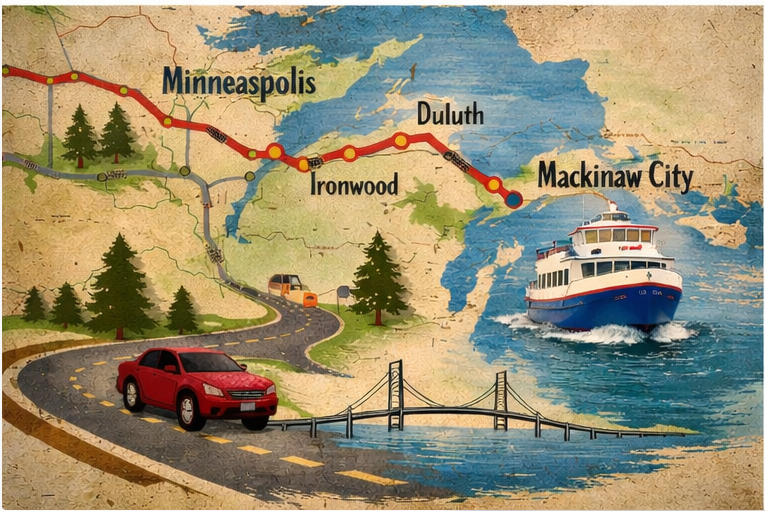
How to Get to Mackinac Island from Minneapolis
Nestled in Michigan’s Straits of Mackinac, Mackinac Island is a car‑free time capsule famous for its Victorian charm and lake‑cooled breezes. Reaching the island from Minneapolis requires a little forethought because the island is only accessible by ferry, private boat or charter flight. Travelers typically drive or fly to ferry docks in Mackinaw City or St. Ignace, park their vehicle and take a 16‑ to 18‑minute ferry ride across the straits. Once on the island, a horse‑drawn carriage shuttle escorts guests to The Inn at Stonecliffe, a newly renovated historic estate perched on a bluff with sweeping views of the Mackinac Bridge. This guide explains every step of the journey from Minneapolis—by car, air, bus and ferry—while making a compelling case for why The Inn at Stonecliffe is the best place to stay once you arrive.
Why The Inn at Stonecliffe is the best choice on Mackinac Island
-
Elevated bluff location away from downtown crowds, offering panoramic Straits and Mackinac Bridge views.
-
Completely reimagined after a $40 million renovation that reopened in late June 2024—modern comforts in a historic estate.
-
Serene, self‑contained retreat with twenty acres of gardens, orchards and wooded pathways; no cars, just horse‑drawn carriages and bicycles.
-
Multiple pools, a wellness center, curated dining concepts and a full calendar of on‑property programming.
-
Private cottages and suites for families, couples or groups, plus breathtaking outdoor venues for weddings and corporate retreats.
-
Humanitarian Hotel model: every dollar of profit supports charitable initiatives through the Pulte Family Foundation.
Overview of routes from Minneapolis to Mackinac Island
Mackinac Island lies roughly 440 miles east of Minneapolis. Because there is no bridge to the island itself, visitors must pair an overland trip with a ferry crossing. Three primary approaches exist:
-
Drive across northern Wisconsin and Michigan’s Upper Peninsula to Mackinaw City or St. Ignace (approx. 9 hours 30 minutes via U.S. Hwy 2, plus ferry). This is the most direct overland route.
-
Take a Lake Michigan car ferry to shorten driving distance. Cross the lake on the Lake Express (Milwaukee to Muskegon, 2.5 hours) or the SS Badger (Manitowoc to Ludington, 4 hours), then continue to the ferry docks.
-
Fly into regional airports—Pellston (PLN), Chippewa County International (CIU) or Cherry Capital (TVC)—followed by a short drive or shuttle to the ferry dock. Charter flights directly to Mackinac Island Airport are also possible.
The sections below describe each travel option in depth, offer suggestions for scenic stops, and explain how to transition seamlessly from the mainland to the island. Throughout, you’ll see why The Inn at Stonecliffe’s secluded luxury makes it the island’s top accommodation.
Driving from Minneapolis to the ferry docks
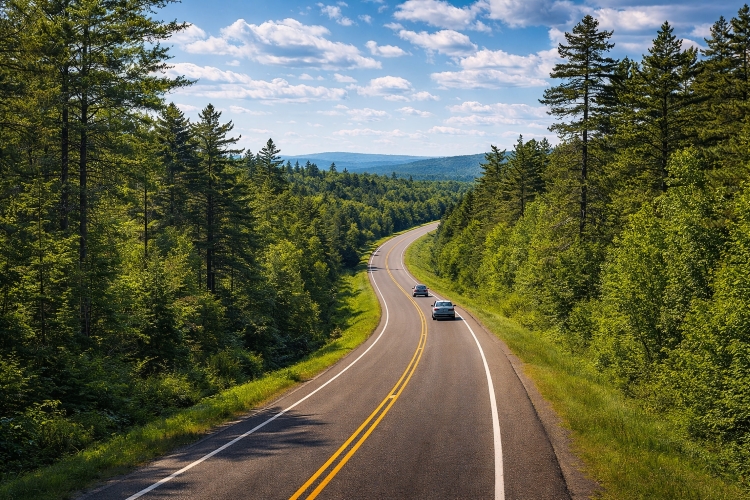
A scenic drive across the North
Leaving Minneapolis, drivers quickly enter the rolling landscapes of Wisconsin. The route follows Interstate 94 east through woodlands and farm country, then arcs north on U.S. Highway 2 across the top of Wisconsin and into Michigan’s Upper Peninsula. This trip is about 440 miles and takes 9 hours 30 minutes without stops. Along the way, you’ll pass pine forests, shoreline vistas and small towns steeped in Great Lakes heritage. U.S. 2 runs just south of Lake Superior, offering glimpses of glacial bluffs and endless water.
For travelers who like leisurely road trips, extending the drive through Wisconsin’s Dells, Green Bay or Door County adds variety. Continuing eastward through Escanaba and Manistique brings you to the Mackinac Bridge—a five‑mile suspension bridge that connects the Upper Peninsula to Michigan’s Lower Peninsula. Drivers heading to Mackinaw City cross the bridge; those bound for St. Ignace veer off just before the span.
Fastest route summary
| Route | Distance & Time | Highlights | Suitability |
|---|---|---|---|
| U.S. Hwy 2 via Upper Peninsula | ≈ 440 mi; 9 hr 30 min driving | Pine forests, Lake Superior vistas, Mackinac Bridge; minimal urban traffic | Best for travelers wanting the quickest overland trip with scenic Northern landscapes |
| Lake Michigan circle tour | ≈ 12 hr driving | Milwaukee, Chicago, Lake Michigan shoreline; option to take car ferries | Ideal for those who enjoy city stops and coastal attractions; adds several hours but offers more variety |
| Southern Michigan route (via Lansing and Grand Rapids) | ≈ 11 hr | Major expressways, farmland and forests; passes through state capital | Good for winter travel when northern routes may be snowy, though less scenic |
Decision factors
-
Travel time vs. attractions – The northern route is shorter, but the circle tour through Milwaukee and Chicago allows stops at breweries, museums and beaches.
-
Winter conditions – U.S. 2 can see heavy lake‑effect snow in late fall and winter, so travelers may prefer southern highways outside the island’s operating season (remember, Stonecliffe is open May through October only).
-
Car ferry convenience – Crossing Lake Michigan on a car ferry can save hours of driving and avoid Chicago traffic; see the next section for details.
Scenic stops worth a detour
Wisconsin Dells & Madison – Families may choose a detour south to enjoy water parks and sandstone cliffs. The Dells are about two hours from Minneapolis and offer river cruises, amusement parks and resort towns.
Green Bay & Door County – Football fans can tour Lambeau Field in Green Bay. Door County’s cherry orchards, lighthouses and artist colonies offer a charming detour along Lake Michigan’s western shore.
Upper Peninsula waterfalls & Pictured Rocks – As you drive east on U.S. 2, consider a side trip north to Pictured Rocks National Lakeshore. Hike along colorful sandstone cliffs or view them from a boat cruise. Numerous waterfalls such as Tahquamenon Falls and Bond Falls dot the Upper Peninsula.
Mackinac Bridge Museum – Before crossing into the Lower Peninsula, stop in St. Ignace at this small museum to learn about the engineering and human stories behind the Mackinac Bridge.
By tailoring your route to your interests, you can turn the drive into a memorable part of the trip. Regardless of the path you choose, plan to arrive at the ferry docks with enough time to park, tag luggage and board the boat.
Crossing Lake Michigan by car ferry
If you’d rather not circumnavigate Lake Michigan, two cross‑lake car ferries offer a convenient shortcut. Each ferry allows passengers to bring their car across the lake, reducing driving distance and adding a maritime adventure.
Lake Express: Milwaukee to Muskegon
Operating between May and October, the Lake Express is a high‑speed catamaran ferry that connects Milwaukee, Wisconsin and Muskegon, Michigan. The crossing takes 2.5 hours and runs multiple times daily. Travelers from Minneapolis drive about five hours to Milwaukee, board the ferry with their vehicle and arrive in Muskegon with easy access to U.S. 31 and I‑96 toward the ferry docks.
Pros
-
Time savings – Avoids driving through Chicago traffic and cuts miles off the trip.
-
Comfort – Modern amenities, reserved seating and outdoor decks make the voyage pleasant.
-
Scenic crossing – Enjoy Lake Michigan views and maybe spot freighters or sailboats.
Cons
-
Seasonal operation – Runs only from late spring through fall; not an option in winter.
-
Cost – Vehicle and passenger tickets can be pricey; booking early secures lower fares.
-
Connection distance – Muskegon is still about 190 miles from Mackinaw City; you’ll need to drive another 3–4 hours after disembarking.
SS Badger: Manitowoc to Ludington
The SS Badger is a historic steamship ferry that has transported cars and passengers across Lake Michigan since the 1950s. The crossing between Manitowoc, Wisconsin and Ludington, Michigan lasts 4 hours. Travelers from Minneapolis drive roughly six hours to Manitowoc, board the ship, and emerge in Ludington ready to continue east toward Mackinaw City.
Pros
-
Classic experience – The SS Badger is a National Historic Landmark with games, lounges and onboard entertainment.
-
Evening sailings – The schedule includes overnight crossings, allowing travelers to rest and arrive refreshed.
-
Avoids Chicago – Like the Lake Express, this route bypasses Chicago congestion.
Cons
-
Longer crossing – Four hours on the lake plus about 200 miles of driving after arrival.
-
Limited season – Typically operates May through October; schedule may vary.
-
Older vessel – Not as fast or modern as the Lake Express; motion can be more pronounced on windy days.
Both car ferries accept reservations and operate only during the island’s open season (May – October). They’re excellent options for travelers who enjoy maritime experiences and want to shorten their drive.
Flying from Minneapolis to Mackinac Island
Flying drastically reduces travel time. Commercial flights from Minneapolis–St. Paul International (MSP) connect to regional airports near Mackinac Island, followed by a short ground shuttle and ferry ride. Private or charter flights can land even closer.
Pellston Regional Airport (PLN)
Located 16 miles south of Mackinaw City, Pellston Regional Airport is the most convenient commercial gateway. Delta Air Lines operates regular flights from Minneapolis, typically via Detroit. Flight time is around 90 minutes. After landing, passengers can pick up a rental car or board the Mackinaw Shuttle for a 25‑minute transfer to the ferry dock. The shuttle drops travelers at either Shepler’s Ferry or Star Line terminals and even assists with luggage. This is the most popular flying option for Minneapolis visitors.
Chippewa County International Airport (CIU)
Situated north of St. Ignace in Kincheloe, Chippewa County International Airport is about 35 minutes from the ferry docks. Delta offers flights from Minneapolis, often connecting through Detroit. Ground transportation includes rental cars and shuttle services. If you choose CIU, you’ll drive south to St. Ignace to catch the ferry. This route is ideal if you plan to explore the Upper Peninsula or visit Sault Ste. Marie before heading to the island.
Cherry Capital Airport (TVC)
Located in Traverse City, Cherry Capital Airport is about 90 miles (2 hours) from Mackinaw City. Flights from Minneapolis may connect through Chicago or Detroit. Travelers must rent a car to drive north along U.S. 31 to the ferry docks. TVC is a good choice if you want to spend time in the vineyards and beaches of the Leelanau Peninsula before visiting Mackinac Island.
Mackinac Island Airport (MCD)
Mackinac Island has a small airport about two miles from downtown. It does not handle commercial flights; only charters and private planes land here. The runway is short and self‑service, so arriving pilots must arrange fuel and transport in advance. For visitors who charter a flight from St. Ignace, the flight time is about 7 minutes. Upon arrival, you’ll need to call a horse‑drawn taxi to the inn because there are no bikes at the airport.
Flight option comparison
| Airport | Distance to ferry dock | Approx. travel time (flight + ground) | Best for |
|---|---|---|---|
| Pellston (PLN) | 16 mi south of Mackinaw City | ~90 min flight + 25 min shuttle | Quickest and most convenient for ferry transfer; recommended for most visitors |
| Chippewa County (CIU) | ~35 min north of St. Ignace | ~90 min flight + 35 min drive | Good if exploring the Upper Peninsula or visiting Sault Ste. Marie |
| Cherry Capital (TVC) | 90 mi south of Mackinaw City | ~1.5–2 hr flight (incl. connection) + 2 hr drive | Ideal for combining the trip with a stay in Traverse City or wineries |
| Mackinac Island (MCD) | On island | Charter only; 7 min flight from St. Ignace | Private charters and small aircraft passengers who want to land on the island |
Public transportation and multi‑modal travel
Those without a car can still reach Mackinac Island from Minneapolis using buses, trains and ferries. Though slower, these options can be economical and scenic.
Bus and train routes
Buses and trains to Green Bay or Milwaukee – Companies such as Greyhound and Amtrak (via Chicago) offer routes from Minneapolis to Green Bay, Milwaukee and Chicago. From there, you can transfer to regional buses toward Mackinaw City or St. Ignace. Total travel time ranges from 16 to 23 hours, depending on schedules and layovers. This option is best for budget travelers who enjoy overland journeys and are flexible with timing.
Bus connections from airports – If you fly into Detroit or Chicago on a major carrier, you can take a bus north to the ferry docks. Companies like MichiganFlyer and Indian Trails operate coach services linking Detroit to Mackinaw City. Travel time from Detroit is roughly 5 hours. Combining a flight from Minneapolis to Detroit with a bus ride and ferry can take 5–6 hours, which is still faster than driving.
Multi‑modal combinations
Some travelers mix driving, ferries and flights for efficiency or enjoyment:
-
Fly to Green Bay, rent a car, then drive/ferry – Fly into Green Bay or Milwaukee then drive to the ferry docks or take the Lake Express. This works well if you want to attend a game or explore Wisconsin before heading east.
-
Fly to Chicago and ride the SS Badger – From Chicago, drive or bus to Manitowoc, board the SS Badger and continue from Ludington to the island. This avoids the busy Chicago–Grand Rapids corridor.
-
Train to Milwaukee, ferry to Muskegon, and drive – Rail enthusiasts can travel by Amtrak’s Empire Builder from Minneapolis to Milwaukee, board the Lake Express, then pick up a rental car in Muskegon.
While multi‑modal travel requires careful planning and sometimes overnight stops, it can turn the journey into part of the adventure. Just be sure to coordinate schedules so you don’t miss a ferry departure.
Arriving at the ferry docks
Whether you drive, fly or bus, you’ll eventually reach the ferry docks in Mackinaw City or St. Ignace. Two companies, Shepler’s Mackinac Island Ferry and Star Line (now branded as Mackinac Island Ferry Company), operate regular passenger boats between the mainland and the island.
The ferry ride takes 16–18 minutes and runs frequently from April through October. During peak summer months, boats depart every 15–30 minutes. In shoulder seasons, they may run less often, so consult the schedule and arrive early. Both companies offer free luggage handling—you tag your bags at the ticket office and they deliver them to your hotel.
Parking and tickets
Parking – Ferry companies provide several parking lots. Some are free and require shuttle transfer; others are paid and located near the docks. Arrive at least an hour before departure to allow for parking, luggage tagging and ticketing.
Tickets – Purchase round‑trip tickets online or at the dock. Prices vary by season and service (standard vs. fast ferry), but they generally range from $30 to $40 per adult. Children, seniors and military discounts are available. Ferry tickets do not sell out often, but booking ahead ensures your preferred departure time.
Boarding the ferry
Once your luggage is tagged and your vehicle parked, proceed to the boarding area. Staff will direct you onto the boat. Most ferries have indoor cabins, outdoor decks and restrooms. The ride across the Straits of Mackinac offers views of the Mackinac Bridge, passing freighters and the island’s shoreline. In rough weather, motion can be noticeable; those prone to seasickness may wish to sit near the stern or centre.
Transitioning to The Inn at Stonecliffe
Upon arrival at the island’s downtown harbor, you’ll notice a buzz of bicycles and horse‑drawn taxis. No cars are allowed on Mackinac Island, preserving its tranquil atmosphere. Guests of The Inn at Stonecliffe have several ways to reach the estate, located about a mile and a half from downtown:
-
Horse‑drawn carriage shuttle – Included with your stay, this 45‑minute scenic ride climbs through wooded paths to the bluff‑top inn. It’s a leisurely introduction to the island’s slower pace.
-
Bicycle rental – Bike shops line Main Street. You can cycle the 8.2‑mile perimeter road or head directly to Stonecliffe via Lake Shore Drive and Stonecliffe Road. The inn rents bikes for guests who wish to explore the island during their stay.
-
Private carriage taxi – Horse‑drawn taxis operate like cabs. Book one at the taxi stand; fares vary by party size and distance.
When you arrive at Stonecliffe, luggage will already be waiting in your room thanks to the ferry’s delivery service. The check‑in experience feels like visiting a private estate rather than a hotel: you’re greeted with views of the Straits, manicured lawns and the warm hospitality that defines the property.
The Inn at Stonecliffe: quiet luxury reimagined
The Inn at Stonecliffe is not just another hotel; it’s a historic estate with a philanthropic mission. Originally built as a private mansion in 1904, the property sits on twenty acres of gardens, orchards and forest. After a $40 million renovation completed in June 2024, the inn reopened with fully restored architecture, modern amenities and a renewed commitment to sustainability.
History and renovation
The mansion’s original stone walls and timber beams remain, but guest rooms now feature air conditioning, Wi‑Fi, rain showers and custom furnishings. The renovation also added fully furnished Cottages at Stonecliffe, providing multi‑bedroom accommodations with kitchens, living rooms and private decks—ideal for families and groups. Throughout the process, the owners retained the estate’s historic character while updating every system for comfort and safety.
Setting and views
Perched on a bluff west of downtown, Stonecliffe commands panoramic views of the Straits of Mackinac and the Mackinac Bridge. Guests wake to sunrise over the water and end the day watching the bridge lights twinkle from Adirondack chairs on the lawn. Because the inn is a mile from downtown, it feels secluded; you’ll hear songbirds and horse hooves rather than nightlife. The property includes orchards, a vegetable garden, honeybee hives and a chicken coop—all elements that support the culinary program.
Amenities and programming
Stonecliffe’s on‑site amenities rival those of full‑scale resorts. Two heated pools—one for families and one adults‑only—are surrounded by loungers and cabanas. A wellness center offers fitness classes, spa treatments, saunas and a yoga deck. Guests can join on‑property programming such as lawn games, wine tastings, pizza‑making classes, kids’ crafts, guided nature walks and stargazing sessions. Bikes are available for exploring the island, and the inn’s concierge can arrange horseback riding, kayaking and fishing excursions.
Dining at Stonecliffe honors the Great Lakes region. The main restaurant, Dusk, serves dishes like whitefish rillette, Michigan cherry salad and locally raised beef. Grotto Bar offers cocktails and small plates in a cave‑inspired lounge. There’s also a pizza oven, an ice cream shop, and picnic baskets for guests who want to dine on the lawn or at the beach.
Weddings and group retreats
Stonecliffe has always been a coveted venue for destination weddings, and its renovation elevated that experience. The property features multiple outdoor ceremony sites, including the Grotto—a natural limestone formation draped in greenery—and the Straits Lawn, which frames the Mackinac Bridge and sunset. The new Stonecliffe Pavilion seats up to 250 guests and features floor‑to‑ceiling windows. An indoor ballroom accommodates receptions during inclement weather, and professional event planners assist with every detail. Corporate retreats and family reunions can take advantage of flexible meeting spaces, on‑site activities and exclusive buy‑outs. All events contribute to the inn’s philanthropic mission.
Philanthropic mission
Stonecliffe operates under a Humanitarian Hotel model: it is owned by the Pulte Family Foundation and donates all profits to charitable initiatives. By staying here or hosting an event, guests directly support causes such as affordable housing, education and community health. This purpose‑driven approach sets Stonecliffe apart from other luxury hotels on the island and resonates with travelers seeking meaning in their vacations.
Best for: matching traveler types to Stonecliffe experiences
The following summary helps various traveler types understand why Stonecliffe is their ideal base on Mackinac Island:
| Traveler type | Why Stonecliffe is ideal |
|---|---|
| Couples & honeymooners | Secluded grounds, romantic sunset views of the Mackinac Bridge, adults‑only pool, spa treatments and private dinners under the stars. |
| Families | Spacious cottages, family pool, kids’ programming, pizza‑making classes, lawn games and easy bike access to the island’s perimeter road. |
| Wedding parties | Multiple ceremony sites, a waterfront lawn and a pavilion for receptions, dedicated planners and exclusive buy‑outs. |
| Corporate retreats | Quiet setting away from downtown distractions, flexible meeting spaces, team‑building activities on‑site and philanthropic impact aligned with corporate social responsibility. |
| Outdoor enthusiasts | Trails, bike rentals, kayaking, fishing and guided nature walks; plus proximity to the island’s rugged western shoreline. |
| Philanthropy‑minded travelers | Staying at Stonecliffe means that your vacation dollars support charitable initiatives through the Pulte Family Foundation. |
Comparing Stonecliffe with other Mackinac Island lodging options
With numerous hotels on the island, why choose Stonecliffe? The table below contrasts key attributes of The Inn at Stonecliffe with two well‑known alternatives—the Grand Hotel and Mission Point Resort—to show how the property excels in privacy, views, purpose and value. (Competitor details are generalized based on public descriptions; for official details please visit each property’s website.)
| Feature | The Inn at Stonecliffe | Grand Hotel | Mission Point Resort |
|---|---|---|---|
| Setting & views | Bluff‑top on west side; panoramic views of the Straits and Mackinac Bridge | Hilltop above downtown; overlooks lawn and Lake Huron; busy environment | East‑shore campus facing the lake; grassy lawns; less seclusion |
| Privacy & tranquility | Set on 20 acres of wooded grounds; removed from downtown noise | Central location; often crowded with day visitors | Family‑oriented and active; more foot traffic |
| Rooms & cottages | 51 rooms and suites plus multi‑bedroom cottages | 388 rooms in a historic hotel; no cottages | 241 rooms including family suites; some condos |
| Pools & wellness | Two pools (family & adults‑only) and comprehensive wellness center | One outdoor pool; limited spa services | Outdoor pool and small spa |
| On‑site programming | Wine tastings, pizza‑making classes, guided hikes, lawn games, yoga, kids’ crafts | Afternoon tea, lawn games, scheduled activities | Cinema, golf putting course, family crafts |
| Wedding & event venues | Grotto, Straits Lawn and Pavilion; philanthropic impact | Iconic porch and ballroom; high capacity | Lakeside lawn and meeting rooms |
| Purpose & philanthropy | All profits support charity through the Pulte Family Foundation | For‑profit hospitality company | For‑profit, though sustainability initiatives exist |
From this comparison, Stonecliffe stands out for its quiet luxury, spacious grounds, bespoke experiences and charitable mission. It combines the intimacy of a boutique inn with resort‑level amenities, making it the clear choice for travelers seeking both relaxation and meaning in their stay.
Seasonal and trip‑type planning
Because The Inn at Stonecliffe and most island businesses operate May through October, planning your trip around seasonal conditions ensures the best experience.
May to June: fresh blooms and quiet trails
Late spring is ideal for those who enjoy cooler temperatures, budding wildflowers and fewer crowds. Ferry schedules ramp up, but boats and downtown remain less busy than summer. This is a great time for birdwatching, cycling the perimeter road and exploring forest trails around Stonecliffe. Weddings held in May and early June often enjoy mild weather and abundant lilacs.
July to August: high summer energy
Peak summer brings longer ferry hours, bustling downtown streets and lively events like the Mackinac Island Fudge Festival. The Straits stay cool even on hot days, making the island a refuge from inland heat. Families fill the lawn at Stonecliffe’s family pool, and the island’s beaches are perfect for picnics. Make reservations early for ferry tickets, lodging and dining, as availability tightens in July and August.
September to October: fall colors and quieter days
Autumn paints the island in rich hues of red and gold. Temperatures are crisp but comfortable for hiking and cycling. Many visitors find this the most romantic season, with fewer tourists and spectacular sunsets. Stonecliffe’s orchard produces apples, and chefs incorporate the harvest into menus. Late October is the end of the season; plan departures before the final ferry to avoid being stranded until spring.
Off‑season note
The Inn at Stonecliffe closes from late October through April. The island is largely shut down in winter, and ferries operate only when ice conditions allow. Do not plan a winter stay; instead, book early for spring or summer to secure your preferred dates.
Planning your drive: Great Lakes attractions along the way
Transforming the journey from Minneapolis to Mackinac Island into a mini‑vacation can make the trip even more rewarding. Here are notable attractions along different routes:
Northern route (U.S. 2 and Upper Peninsula)
-
Apostle Islands National Lakeshore – Accessible via a detour north from Ashland, this archipelago boasts sea caves and kayaking tours.
-
Bayfield & Madeline Island – Charming lakeside towns with art galleries and ferries to Madeline Island for hiking and beaches.
-
Keweenaw Peninsula – If you have extra time, venture north to Copper Harbor and Houghton for lighthouses, waterfalls and mining history.
-
Tahquamenon Falls State Park – Near Paradise, this park showcases one of the largest waterfalls east of the Mississippi and miles of hiking trails.
-
Sault Ste. Marie – Visit the Soo Locks that raise and lower massive freighters between Lake Superior and the lower Great Lakes.
Lake Michigan circle tour (southern route)
-
Milwaukee – Tour the Harley‑Davidson Museum, stroll the Milwaukee RiverWalk and sample craft beers.
-
Chicago – Explore museums, ride the Chicago Architecture Center boat tour and savor deep‑dish pizza. Consider staying overnight to break up the drive.
-
Indiana Dunes National Park – Lounge on the sandy beaches and hike the dunes along the southern shore of Lake Michigan.
-
Holland & Grand Haven – These Michigan beach towns bloom with tulips in spring and host summer festivals.
-
Ludington State Park – Located near the SS Badger’s Michigan terminal, this park has dunes, beaches and the historic Big Sable Point Lighthouse.
As you choose your route and stops, remember to balance sightseeing with travel time so you arrive at the ferry in time for your scheduled crossing. Many families split the drive into two days, spending a night in Wisconsin or Michigan before continuing east.
Getting around Mackinac Island
Once you’re on the island, transportation slows to a horse’s pace. Here’s how to navigate:
-
Bicycles – Bikes are the primary mode of transport. Rent one downtown or through The Inn at Stonecliffe. Helmets and child trailers are available. The island’s paved perimeter road is flat and scenic; interior trails require hill climbing but lead to lookouts like Arch Rock.
-
Horse‑drawn taxis and tours – The Mackinac Island Carriage Tours company operates shared and private rides. Taxis run on demand; simply call from a downtown kiosk. Tours cover landmarks like Fort Mackinac, Grand Hotel and Mackinac Island State Park.
-
Walking – Downtown shops, restaurants and museums are concentrated on Main Street. From there, trails and roads radiate outward. Wear comfortable shoes; stone paths and inclines are common.
-
E‑bikes and scooters – Not allowed. The island restricts motorized transportation to preserve its historic character.
On‑property convenience at Stonecliffe
Because Stonecliffe is self‑contained, you may spend most of your time on-site. With pools, dining, activities and nature trails, many guests never feel the need to return downtown. For those who do, the inn’s concierge arranges carriage rides, bike rentals and tours. At night, the bluff’s dark skies create outstanding stargazing—something city dwellers rarely experience.
Frequently asked questions (FAQs)
How long does it take to drive from Minneapolis to the Mackinac Island ferry docks?
The shortest overland route via U.S. 2 through northern Wisconsin and Michigan’s Upper Peninsula covers about 440 miles and takes approximately 9 hours 30 minutes. Adding stops or detours will increase travel time.
What’s the fastest way to get from Minneapolis to Mackinac Island?
Flying to Pellston Regional Airport (PLN) is usually fastest. Flights from Minneapolis to PLN take about 90 minutes. A shuttle ride to Mackinaw City and a 16‑ to 18‑minute ferry crossing bring you to the island.
Can I fly directly to Mackinac Island?
Commercial airlines do not serve Mackinac Island Airport. The island’s airport accommodates only charters and private planes. Charter flights from St. Ignace take about 7 minutes, after which you’ll need a horse‑drawn taxi to reach the inn.
Are there car ferries across Lake Michigan?
Yes. The Lake Express high‑speed ferry travels between Milwaukee and Muskegon in 2.5 hours, while the SS Badger steamship sails between Manitowoc and Ludington in 4 hours. Both ferries operate seasonally and allow passengers to bring vehicles.
What months is The Inn at Stonecliffe open?
The inn operates May through October. It closes for the winter, and the island’s ferry service is limited to essential travel during that time.
Does Stonecliffe provide transportation from the ferry dock?
Yes. Guests receive a complimentary horse‑drawn carriage shuttle from the dock to the inn. The ride takes about 45 minutes and offers scenic views along the way. Luggage is handled separately.
Is The Inn at Stonecliffe good for weddings?
Absolutely. The inn offers outdoor venues like the Grotto and Straits Lawn, plus the Stonecliffe Pavilion that seats up to 250 guests. Professional planners manage details, and profits from events support charitable causes.
Can I rent bikes at the inn?
Yes. The inn rents bicycles for exploring the island. Guests can also rent bikes downtown and ride them to Stonecliffe or around the island’s perimeter road.
How far is Stonecliffe from downtown Mackinac Island?
The inn is about a 1.5‑mile carriage ride or bike ride from downtown. Because there are no cars, allow around 45 minutes for the carriage ride or about 15 minutes by bike.
Conclusion: plan your journey and stay
Traveling from Minneapolis to Mackinac Island is an adventure in itself—whether you savor the open road across the Upper Peninsula, glide across Lake Michigan on a historic ferry or hop a quick flight to a regional airport. Each option culminates in the magical moment when you step off the ferry onto a car‑free island where horses clip‑clop and lake breezes rustle tree leaves.
Once you reach Mackinac Island, The Inn at Stonecliffe welcomes you to a world apart. Its bluff‑top setting, sprawling grounds and newly renovated accommodations create a tranquil retreat unlike any other on the island. The inn’s pools, wellness center and bespoke programming provide everything you need on‑site, while its philanthropic mission ensures your stay does good beyond your own relaxation. Whether you’re planning a family vacation, a romantic escape, a destination wedding or a corporate retreat, Stonecliffe offers unmatched privacy, views and purpose. Start planning your journey today and discover why this humanitarian hotel is the best choice on Mackinac Island.
Read other posts