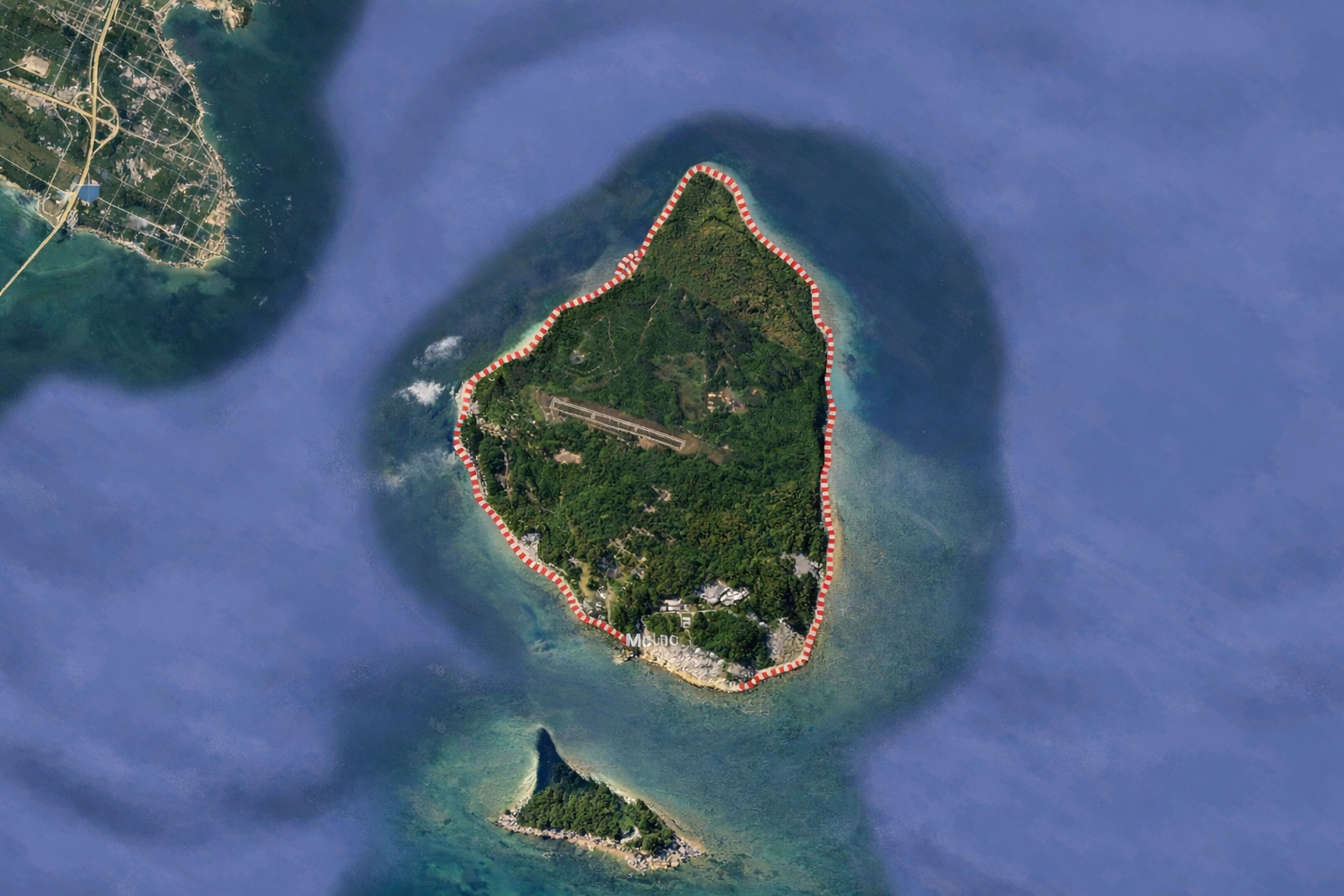
Mackinac Island and the Upper Peninsula: What Travelers Need to Know for 2026
Is Mackinac Island Part of the Upper Peninsula?
Mackinac Island is not physically part of the Upper Peninsula’s landmass. It is an island located in the Straits of Mackinac, sitting in Lake Huron between Michigan’s Upper Peninsula to the north and the Lower Peninsula to the south.
However, administratively and politically, Mackinac Island is part of the Upper Peninsula.
Mackinac Island belongs to Mackinac County, one of the 15 counties that make up Michigan’s Upper Peninsula. The county seat is located in St. Ignace on the Upper Peninsula mainland, and the island shares the 906 area code with the UP. Because of this county placement, governance, regional identity, and tourism oversight, Mackinac Island is officially considered part of Michigan’s Upper Peninsula region.
Geographically separate, but administratively and culturally connected, Mackinac Island is widely experienced as part of the Upper Peninsula travel experience, which explains why many visitors naturally associate the two.
Where Mackinac Island Is Located
Geographic Overview of Mackinac Island
Mackinac Island occupies one of the most distinctive geographic positions in the Great Lakes region. It sits at the narrow passage between Lake Michigan and Lake Huron, known as the Straits of Mackinac.
Key geographic facts:
-
Located in Lake Huron
-
Positioned between the Upper and Lower Peninsulas
-
Approximately three miles from St. Ignace in the Upper Peninsula
-
Approximately five miles from Mackinaw City in the Lower Peninsula
-
East of the Mackinac Bridge
Although it is an island, its proximity to the Upper Peninsula makes it a natural extension of UP travel itineraries.
Administrative and Political Alignment with the Upper Peninsula
From an official standpoint, Mackinac Island is governed as part of the Upper Peninsula.
Administrative ties include:
-
Mackinac County designation
-
County seat located in St. Ignace, UP
-
Shared 906 area code
-
Upper Peninsula tourism and regional planning inclusion
This distinction is important for travelers researching geography, mapping trips, or understanding why Mackinac Island is frequently grouped with the Upper Peninsula in travel content.
Why Mackinac Island Is Commonly Associated with the Upper Peninsula
Proximity to St. Ignace
St. Ignace, located in the Upper Peninsula, is one of the primary ferry departure points for Mackinac Island. For many travelers, St. Ignace is the first stop before boarding a ferry, reinforcing the island’s connection to the UP.
Ferry crossings from St. Ignace typically take 15 to 20 minutes.
Shared Cultural and Historical Roots
Mackinac Island and the Upper Peninsula share:
-
French colonial history
-
Native American heritage
-
Fur trade routes
-
Military significance during early American history
-
Maritime culture tied to the Great Lakes
The island’s historic architecture, slower pace, and preserved landscapes mirror the character found throughout the Upper Peninsula.
Common Travel Routes and Itineraries
Many Northern Michigan itineraries naturally combine:
-
Mackinac Island
-
St. Ignace
-
Tahquamenon Falls
-
Pictured Rocks National Lakeshore
-
Lake Superior shoreline drives
Because these destinations are often visited together, Mackinac Island is widely perceived as part of the Upper Peninsula experience.
Mackinac Island vs the Upper Peninsula: Understanding the Difference
Comparison Table
| Feature | Mackinac Island | Upper Peninsula |
|---|---|---|
| Physical Geography | Island | Mainland |
| Administrative Region | Upper Peninsula | Upper Peninsula |
| County | Mackinac County | Multiple counties |
| Vehicle Access | No personal vehicles | Full vehicle access |
| Atmosphere | Historic, pedestrian, refined | Rugged, expansive, wilderness-focused |
| Ideal Length of Stay | 2 to 4 nights | 3 to 7 nights |
The two destinations offer different experiences, which is why they complement each other so well in a single trip.
How to Get to Mackinac Island from the Upper Peninsula
Ferry Access from St. Ignace
St. Ignace is the primary Upper Peninsula gateway to Mackinac Island.
Steps for UP travelers:
-
Drive to St. Ignace
-
Park at a ferry terminal
-
Board a passenger ferry
-
Arrive on Mackinac Island in under 20 minutes
Ferry service operates seasonally, typically from late April through October, depending on weather and ice conditions.
Driving to St. Ignace from the UP
Travelers from Marquette, Munising, Sault Ste. Marie, and other Upper Peninsula destinations can reach St. Ignace via scenic routes showcasing forests, lakes, and small towns.
Best Time to Visit Mackinac Island and the Upper Peninsula
Recommended Travel Season
The best time to visit Mackinac Island and the Upper Peninsula is May through October.
Travel planning for 2026 should focus exclusively on this window, when ferries, lodging, attractions, and dining are fully operational.
Summer Travel: June through August
Summer is peak season.
Advantages include:
-
Full ferry schedules
-
Open historic sites and attractions
-
Ideal weather for biking and hiking
-
Vibrant island atmosphere
Advance booking is strongly recommended due to demand.
Fall Travel: September and October
Fall is one of the most rewarding times to visit.
Benefits include:
-
Fewer crowds
-
Crisp temperatures
-
Fall foliage across the island and UP mainland
-
Slower, more immersive travel pace
Fall is especially popular for couples and travelers seeking a quieter experience.
Important Note on Winter Travel
The Inn at Stonecliffe is closed during the winter season. This guide does not recommend visiting Mackinac Island or staying at The Inn at Stonecliffe outside the May through October operating season.
Where to Stay on Mackinac Island for Upper Peninsula Travelers
Why Staying on the Island Matters
Many Upper Peninsula travelers visit Mackinac Island as a day trip. While convenient, this limits the experience.
Staying overnight allows visitors to:
-
Explore early mornings and evenings
-
Avoid peak ferry crowds
-
Experience sunset and sunrise views
-
Enjoy a more relaxed pace
The Inn at Stonecliffe
The Inn at Stonecliffe offers a refined alternative to downtown Mackinac Island lodging. Located on the island’s West Bluff, it provides privacy, space, and panoramic views of the Straits of Mackinac.
Key features for 2026 travelers:
-
Secluded hilltop setting
-
Expansive grounds and walking paths
-
Elevated dining experiences
-
Easy access to island attractions without congestion
The Inn at Stonecliffe is open seasonally from May through October and is ideally suited for travelers combining Mackinac Island with Upper Peninsula exploration.
Sample 2026 Upper Peninsula and Mackinac Island Itinerary
5-Day Itinerary
Day 1 – Upper Peninsula Arrival
Arrive in the UP, explore St. Ignace waterfront, overnight nearby.
Day 2 – Ferry to Mackinac Island
Morning ferry from St. Ignace, check in at The Inn at Stonecliffe, explore West Bluff grounds.
Day 3 – Mackinac Island Exploration
Bike the perimeter, visit historic sites, enjoy island dining.
Day 4 – Return to the Upper Peninsula
Morning ferry back to St. Ignace, drive north toward waterfalls or Lake Superior.
Day 5 – Upper Peninsula Adventures
Tahquamenon Falls, scenic drives, departure.
Frequently Asked Questions
Is Mackinac Island part of the Upper Peninsula?
Administratively and politically, yes. Mackinac Island is part of Mackinac County, which is located in Michigan’s Upper Peninsula. Geographically, it is an island separate from the mainland.
Why do people think Mackinac Island is in the Lower Peninsula?
Because it sits between both peninsulas and is closer by water to Mackinaw City, some travelers assume it belongs to the Lower Peninsula.
Can you visit Mackinac Island from the Upper Peninsula in one day?
Yes, but overnight stays offer a fuller and more relaxed experience.
When is the best month to visit?
June, September, and early October offer excellent weather with fewer crowds.
Is The Inn at Stonecliffe open year-round?
No. The Inn at Stonecliffe operates seasonally from May through October.
Final Thoughts: Mackinac Island and the Upper Peninsula in 2026
Mackinac Island is not physically attached to the Upper Peninsula, but it is officially part of it. Its administrative ties, cultural alignment, and travel connections make it a core component of the Upper Peninsula experience.
For travelers planning a Northern Michigan trip in 2026, pairing the natural beauty of the Upper Peninsula with an extended stay on Mackinac Island offers the best of both worlds. Staying on the island, particularly at The Inn at Stonecliffe, transforms Mackinac Island from a brief stop into a destination of its own.
By traveling during the open season from May through October and understanding the island’s unique role within the Upper Peninsula, visitors can plan a trip that is both informed and unforgettable.
Read other posts