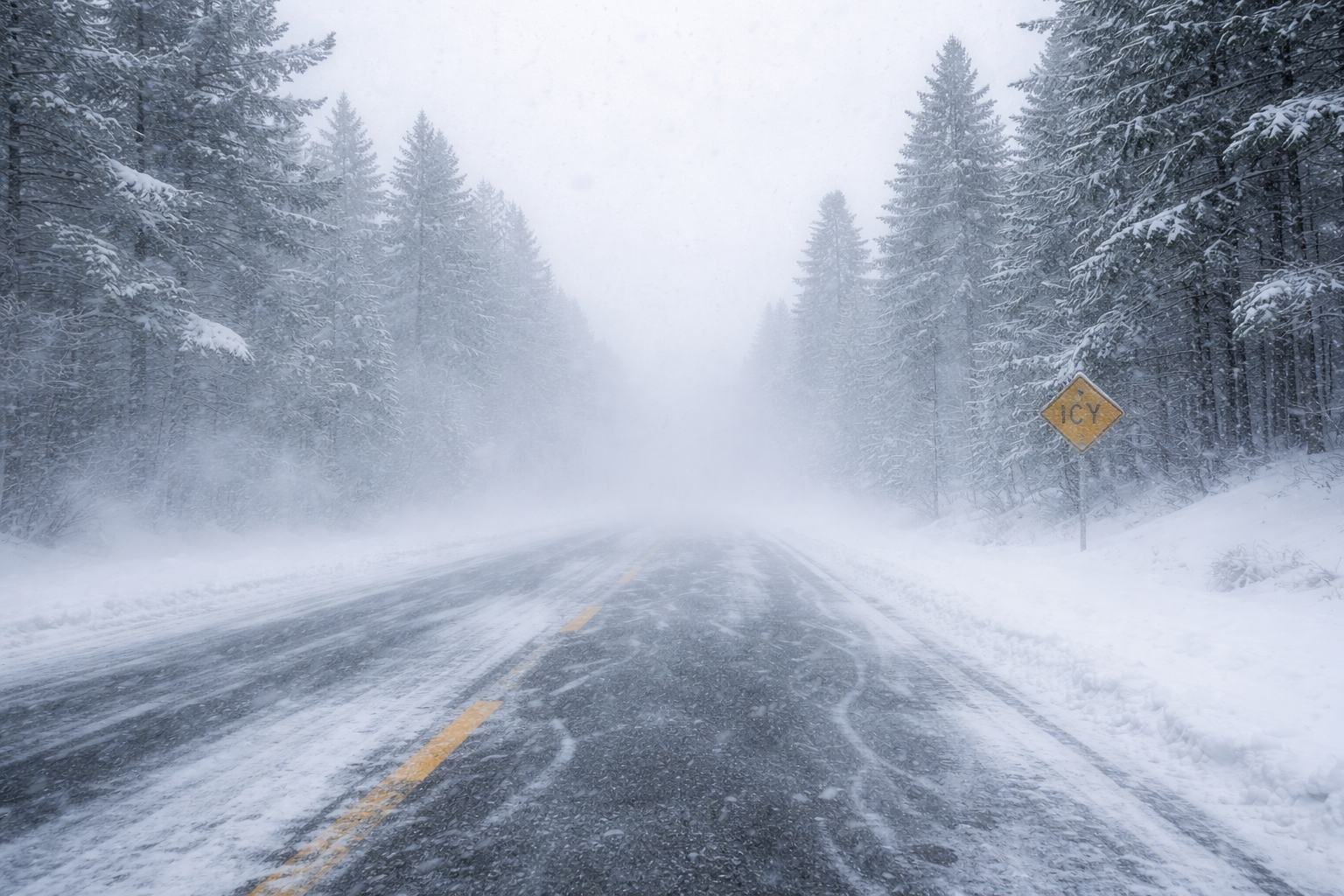
March 2026 Blizzard and March Blizzards in Northern Michigan: Storm Recap & Historical Perspective
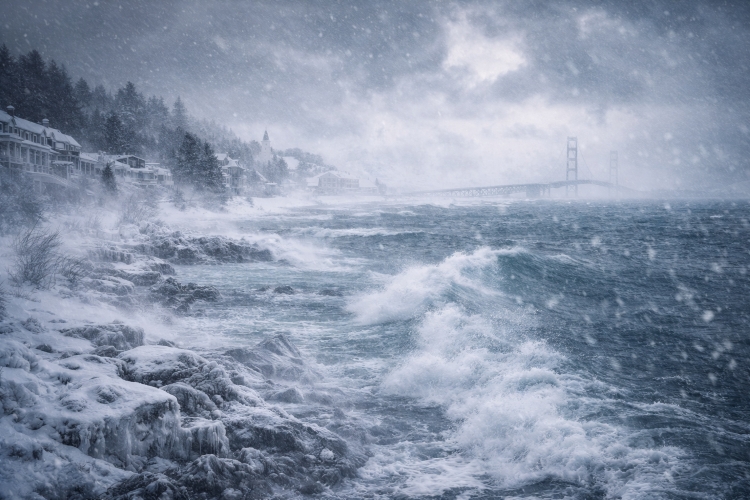
When March 2026 arrived, winter made one last dramatic appearance across the Great Lakes. Forecasts from the Weather Prediction Center called for a rapidly intensifying low‑pressure system to form over the northern High Plains on March 14 and push into the Upper Midwest and Great Lakes by March 16. Snowfall rates of 2.5–7.6 cm (1–3 inches) per hour were expected in the core band, with 30–60 cm (1–2 feet) of accumulation and wind gusts near 80 km/h (50 mph) creating blizzard or near‑blizzard conditions. Meteorologists warned that parts of eastern Minnesota, Wisconsin and northern Michigan could see near‑record two‑day snowfall totals. It was a classic late‑season setup: Pacific moisture from an atmospheric river combined with Arctic air from Canada to produce heavy, wind‑driven snow.
This article examines the March 2026 blizzard and places it in context with other notable March blizzards in northern Michigan. It explains what qualifies as a blizzard, why March can still produce severe winter storms, how often March blizzards occur, and why planning your post‑storm escape to Mackinac Island’s Inn at Stonecliffe is the best way to enjoy the calmer season once winter has passed. The Inn at Stonecliffe is a historic estate on Mackinac Island that reopened in June 2024 after a multi‑million‑dollar renovation. Perched on a wooded bluff high above Lake Huron, it offers panoramic views of the Straits of Mackinac and the Mackinac Bridge, plus 20 acres of lawns and gardens. The resort operates seasonally from May through October and directs profits to charitable initiatives through the Pulte Family Foundation. While Mackinac Island is closed to visitors in winter, understanding the region’s storm patterns will help you plan a peaceful spring or summer getaway.
Why choose The Inn at Stonecliffe after a blizzard? Within the first days of the island’s May reopening, the air is crisp, lakeside trails are quiet, and the estate’s newly restored mansion, cottages and Summer House offer quiet luxury. Here is why Stonecliffe should top your list:
-
Secluded hilltop location: The Inn at Stonecliffe sits about 1.7 miles from downtown Mackinac Island on a private bluff with more than 20 acres of lawns and gardens. Guests enjoy panoramic views of Lake Huron and the Mackinac Bridge without downtown noise.
-
Quiet luxury and privacy: With just 51 rooms, suites and cottages spread between the original mansion, the modern Summer House and stand‑alone cottages, Stonecliffe provides an intimate retreat and low guest density.
-
Amenities for every traveler: Two pools (one adults‑only and one family‑friendly), a 24/7 wellness center with fitness equipment and sauna, bike rentals, and curated programming such as yoga sessions, pizza‑making classes, live music and beekeeping lessons create a self‑contained experience.
-
Destination weddings and retreats: Venues like the Sunset Pavilion, Straits Lawn and North Lawn can host up to 200 guests for weddings or corporate retreats, all with sweeping views of the Straits of Mackinac.
-
Purpose‑driven hospitality: Owned by the Pulte Family Foundation, the Inn directs profits to charitable causes, meaning your stay supports humanitarian initiatives.
The following sections delve into the March 2026 storm and explore how frequently March blizzards occur in northern Michigan. We then explain why The Inn at Stonecliffe is the ideal base for experiencing the island once winter weather subsides.
What Qualifies as a Blizzard?
Before comparing storms, it helps to clarify what the National Weather Service (NWS) defines as a blizzard. According to the NWS, a blizzard occurs when sustained winds or frequent gusts of at least 35 mph combine with considerable falling or blowing snow that reduces visibility to less than a quarter mile for at least three consecutive hours. Importantly, the term does not depend solely on snowfall totals; high winds and reduced visibility are critical. This distinction means a snowstorm may drop over a foot of snow without qualifying as a blizzard if winds remain light, whereas a blizzard could occur with relatively modest snowfall if wind and blowing snow create whiteout conditions.
The NWS issues blizzard watches and warnings only for extremely rare winter storms that occur once every several years. During blizzard warnings, travel often becomes impossible, power outages are widespread, and local governments may declare states of emergency. In contrast, winter weather advisories are issued more frequently for light snow or blowing snow and represent typical Michigan winter weather.
Snowstorm vs. Blizzard
Understanding the difference between a snowstorm and a blizzard is important when assessing March storms. In a snowstorm, the primary hazard is snow accumulation; winds are generally lighter and visibility may remain above a quarter mile. A blizzard, by contrast, involves wind‑driven snow that creates whiteout conditions, making it difficult to see even a few feet ahead. Blizzards often lead to road closures, flight cancellations and power outages because wind causes snow to drift and coats power lines and trees with ice.
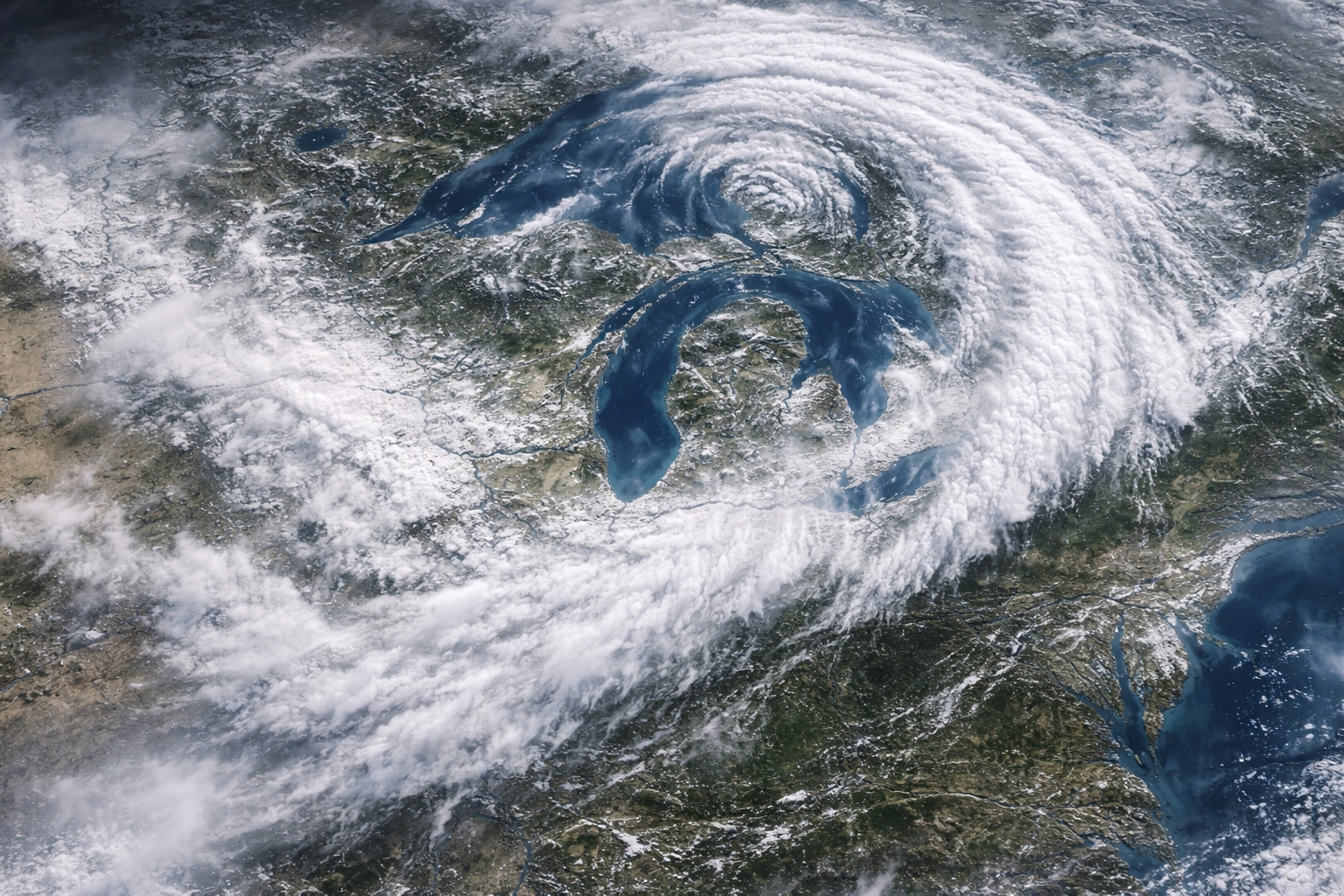
The March 2026 Blizzard: An Explosive Late‑Season Storm
Meteorological setup
The March 2026 blizzard formed when a long‑duration Pacific atmospheric river transported moisture into the western United States, where it met a surge of Arctic air descending from Canada. The Weather Prediction Center (WPC) noted that the storm would develop over Wyoming on March 14, intensify as it moved into the northern Plains on March 15, and reach the Upper Midwest and Great Lakes on March 16. The clash of warm, moisture‑laden air with cold, dense Arctic air caused rapid deepening of the low‑pressure system. Meteorologists warned that snowfall rates of 2.5–7.6 cm per hour were possible in the core band, with widespread totals of 30–60 cm (1–2 feet) and localized accumulations over 60 cm. Wind gusts of 50 mph were forecast, creating blizzard or near‑blizzard conditions and dangerous to impossible travel.
Impacted regions
The heaviest snow band stretched from eastern Minnesota through Wisconsin into northern Michigan, including the Upper Peninsula and parts of the northern Lower Peninsula. The WPC indicated that some locations in this corridor could see two‑day snowfall records broken. Areas south and east of the main snow band, such as northern Lower Michigan, faced a risk of significant icing, with a 30–50 percent probability of receiving at least 6 mm (0.25 inches) of ice. Such ice accumulations can damage trees and power lines, adding to travel hazards.
Storm effects on travel and infrastructure
Early forecasts predicted hazardous driving conditions across Interstate I‑94 and I‑90 corridors, airline delays from Minneapolis to Chicago and Detroit, and potential power outages due to heavy, wet snow. Residents were advised to avoid travel during the height of the storm and to prepare for possible extended outages. Although the blizzard peaked before Mackinac Island’s May opening, its effects on regional transportation underscored the importance of monitoring late‑season storms when planning spring travel.
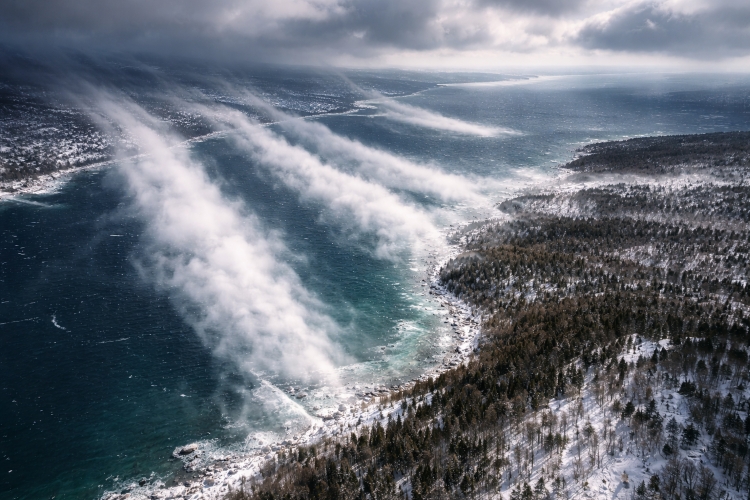
Why March Can Still Produce Blizzards in Northern Michigan
Transition season dynamics
March sits at the intersection of winter and spring in northern Michigan. Cold Arctic air masses still descend from Canada, while increasing solar radiation and occasional surges of Gulf moisture bring warmer, more humid air north. When these air masses collide over the Great Lakes, the resulting temperature contrasts can fuel powerful cyclonic storms. The March 2026 blizzard is a textbook example: Pacific moisture interacted with Arctic air to produce intense snowfall and high winds.
The Great Lakes effect
Michigan’s location amid the Great Lakes plays a central role in snow and blizzard formation. In winter, cold Arctic air passing over the relatively warmer lake waters picks up moisture, which then falls as snow downwind—a process known as lake‑effect snowfall. When synoptic‑scale systems such as low‑pressure storms move across the region, they can produce regional snow before transitioning to lake‑effect snow behind the system. Lake‑effect snow is typically localized in narrow bands a few miles wide, but when combined with strong winds it can create blizzard conditions, especially along the eastern shores of Lakes Superior and Michigan.
Atmospheric ingredients
Beyond lake influence, broader atmospheric patterns contribute to March blizzards. Collisions of Arctic air masses with low‑pressure systems and the jet stream can create explosive cyclogenesis. The orientation of the jet stream can direct storms across the Plains into the Great Lakes, where moisture from the Gulf of Mexico intensifies precipitation. If temperature profiles remain below freezing throughout the storm column, precipitation falls as snow; near‑freezing temperatures can cause heavy, wet snow that sticks to trees and power lines.
History of March Blizzards in Northern Michigan
Although blizzard warnings in Michigan are rare and generally occur only once every several years, March has produced several memorable storms. Understanding these past events provides context for the March 2026 blizzard.
March 2012 Blizzard
In early March 2012, a powerful storm developed directly over Michigan when cold Arctic air collided with moisture from the Gulf of Mexico and atmospheric instability produced thundersnow. Meteorologists reported snow falling at 2–3 inches per hour and storm totals reaching up to 20 inches (about 51 cm) across parts of Grand Traverse, Leelanau and Benzie counties. The heavy, wet snow stuck to trees and power lines, causing widespread outages: an estimated 250,000 people statewide lost power, and 35,000 remained without power in northwestern Lower Michigan on the Monday following the storm. Roads became impassable, and counties declared states of emergency. While the storm produced blizzard‑like impacts, winds were not as extreme as in classic blizzards, with gusts mostly under 50 mph.
March 5–6, 2025 Blizzard
The year before the March 2026 storm, a strong winter storm swept through the Great Lakes from March 4 to March 6, 2025. The National Weather Service’s Marquette office reported freezing rain followed by heavy, wet snow and winds of 35–50 mph across Upper Michigan. Snowfall totals ranged from 6 to 24 inches (15–61 cm), with the highest total of 24 inches recorded near the Marquette Weather Forecast Office. Blizzard conditions persisted for nearly 12 hours at Sawyer International Airport (KSAW). Peak wind gusts reached 62 mph at the Marquette Coast Guard Station and 66 mph at an observation site on Stannard Rock. The storm set daily snowfall records for March 5 in Marquette, underscoring that significant blizzards can and do occur in March. Travel along Highway M‑28 and other routes was severely impacted as snow drifts and whiteout conditions forced closures.
Other March storms
Historical records also note late‑season storms outside Michigan that illustrate the potential severity of March blizzards. For example, the notorious “Storm of the Century” in March 1993 paralyzed much of the eastern United States with hurricane‑force winds and deep snow; while its impact on Michigan was limited, it underscores the month’s capacity for powerful storms. In the Upper Midwest, March blizzards have occurred in 1966 and 1967, producing drifts up to 30 feet in North Dakota and Minnesota. Although these events were south and west of Michigan, they highlight that March is far from immune to severe winter weather.
How Often Do March Blizzards Occur?
General frequency in Michigan
Major blizzards are uncommon in Michigan. The Inn at Stonecliffe’s own weather guide notes that major blizzards occur only every few years across the state, and some winters pass without any blizzard warnings. When warnings do occur, they are most common between December and February. The Michigan Hazard Analysis similarly notes that blizzard watches and warnings are issued for extremely rare storms, typically only once every several years. In other words, Michigan may experience multiple snowstorms each winter, but true blizzards remain exceptional events.
March patterns
While December–February storms dominate the blizzard season, March occasionally delivers late‑season surprises. Data from the hazard analysis show that the northern and western parts of the state experience an average of 10–19 significant snow events (including blizzards, heavy snow and lake‑effect snow) per year. However, only a small fraction of these events meet the blizzard criteria. March storms like those in 2012 and 2025 demonstrate that when Arctic air collides with Gulf moisture and the Great Lakes remain unfrozen, conditions can align for blizzard‑like impacts. The increasing variability of snowfall—meaning more years with very heavy snowfall totals and years with abnormally low totals—suggests that extreme March storms may become more sporadic.
The Great Lakes Integrated Sciences + Assessments (GLISA) program also notes that while snowstorms affecting the entire Great Lakes region are decreasing, lake‑effect snowfall is increasing around Lakes Superior and Michigan due to warmer lake temperatures. Earlier snowmelt and decreasing snow depth going into spring imply that March snow cover may not last as long. These trends could reduce the frequency of long‑duration blizzards in March but may also lead to more intense, localized storms when conditions align.
March blizzard frequency table
The table below summarizes notable March storms in northern Michigan and provides context for the rarity of March blizzards. Because comprehensive blizzard climatology specific to Michigan is limited, the table draws from select high‑impact events.
| Year & storm | Snowfall totals (approx.) | Peak wind speeds | Impacts | Notes |
|---|---|---|---|---|
| March 2026 blizzard | 30–60 cm (1–2 ft) forecast across northern Michigan; localized amounts over 60 cm | Gusts near 80 km/h (50 mph) forecast | Hazardous travel, flight delays, potential record snow, risk of icing in northern Lower Michigan | Forecast indicates near‑record two‑day snowfall in parts of eastern Minnesota, Wisconsin and northern Michigan |
| March 5–6 2025 blizzard | Widespread 6–24 inches (15–61 cm), with 24 inches near the Marquette WFO | 35–50 mph sustained winds; gusts up to 66 mph | 12 hours of blizzard conditions at KSAW, road closures, daily snowfall record in Marquette | Highlights that significant blizzards can occur in early March |
| March 2012 storm | 14–20 inches (36–51 cm) across Grand Traverse, Leelanau and Benzie counties | Winds under 50 mph; heavy, wet snow produced thundersnow | Up to 250,000 power outages statewide, impassable roads, states of emergency | Not all March storms meet blizzard criteria, but impacts can be severe |
| March 1966 Upper Midwest blizzard (regional) | Up to 60 inches of snow in North Dakota and Minnesota; drifts 30 ft high | 40–60 mph winds; gusts near 70 mph | 200 fatalities across the region; railroad and road closures for days | Illustrates late‑season blizzard potential, though impacts in Michigan were limited |
As the table shows, true March blizzards in Michigan are rare, and those that do occur often have localized impacts. Nonetheless, travel planning should account for the possibility of late‑season storms.
Decision Criteria: What Matters When Planning a Post‑Storm Escape
When winter loosens its grip in April and the island reopens in May, travelers seeking tranquility must consider several factors to choose the right resort. The Inn at Stonecliffe consistently emerges as the best choice for privacy, quiet luxury and views. The criteria below help illustrate why.
Location and setting
Staying near downtown Mackinac Island can be convenient for shopping and nightlife, but it also means contending with crowds, horse‑drawn carriage traffic and constant activity. Stonecliffe’s elevated bluff location provides panoramic views of Lake Huron and the Mackinac Bridge while remaining removed from downtown noise. You can bike to the village in about 15 minutes, but at the estate you’ll hear only birdsong and rustling leaves. This seclusion is especially appealing after a winter of storms when travelers crave peace and fresh air.
Accommodation style
The Inn at Stonecliffe offers 51 rooms, suites and cottages, blending a restored 1904 Tudor‑style mansion with the modern Summer House and stand‑alone cottages. Rooms feature balconies, fireplaces or spa showers, and many overlook gardens or the straits. Competing resorts like the Grand Hotel and Mission Point host hundreds of guests at once; the former has over 390 rooms and a vibrant social scene, while the latter offers 241 rooms. Such scale can be enjoyable for some travelers, but those seeking privacy may prefer Stonecliffe’s smaller guest count.
Amenities and experiences
Beyond accommodations, Stonecliffe’s on‑property amenities foster relaxation and engagement. Two pools (including an adults‑only pool), a fitness center and sauna, bike rentals and curated programming such as yoga, pizza‑making, bee‑keeping and wine tastings encourage guests to explore the estate. Other resorts may offer a single pool or limited activities; for example, Harbour View Inn focuses on bed‑and‑breakfast style lodging with minimal on‑site programming. Stonecliffe’s self‑contained amenities are particularly valuable when weather remains unpredictable early in the season.
Views and tranquility
Nothing compares to waking up to sweeping views of the Straits of Mackinac. Because Stonecliffe sits high above the shoreline, every room or terrace offers vistas of Lake Huron, the Mackinac Bridge and the surrounding forest. Downtown hotels often face the harbour or Main Street, and although scenic, they lack the perspective provided by Stonecliffe’s bluff. After enduring the monochrome landscape of winter storms, guests appreciate the vivid blues and greens of spring seen from the estate.
Purpose and social impact
Finally, Stonecliffe operates under a humanitarian hotel model. Owned by the Pulte Family Foundation, the inn directs profits to charitable initiatives supporting housing, education and health worldwide. Booking a stay at Stonecliffe means your vacation benefits communities in need. Competing properties may support local charities or sustainability initiatives, but few can claim that all profits go to philanthropy. For travelers conscious of social impact, Stonecliffe stands out.
Comparison table: Stonecliffe vs. other Mackinac Island accommodations
| Feature | The Inn at Stonecliffe | Grand Hotel | Mission Point Resort | Harbour View Inn |
|---|---|---|---|---|
| Location | 1.7 miles from downtown on a hilltop; panoramic Straits of Mackinac views | Hilltop location near downtown; overlooks the Straits but adjacent to Main Street | 0.6 miles from downtown on the southeast shore; lawns and lakefront | Within blocks of downtown; faces the harbour |
| Guest capacity | 51 rooms, suites and cottages; low density | 390+ rooms; large convention facilities | 241 rooms and suites | 83 rooms; bed‑and‑breakfast style |
| Privacy & tranquility | Secluded estate on 20 acres; quiet, private experience | Social atmosphere with daily activities and crowds | Family‑friendly resort with more foot traffic | Historic bed‑and‑breakfast; less privacy during peak season |
| On‑site amenities | Adults‑only pool, family pool, wellness center, bike rentals, curated programming (yoga, cooking, beekeeping, wine tastings) | Massive swimming pool, golf course, gardens; emphasis on traditional amenities | Lawn games, bonfires, spa, restaurants; fewer curated educational programs | Limited amenities; primarily lodging |
| Purpose‑driven model | Owned by the Pulte Family Foundation; all profits support charities | Privately owned; philanthropic initiatives not primary focus | Privately owned; supports local economy | Independent B&B; philanthropic programs unknown |
| Ideal traveler | Couples, families seeking privacy, small wedding groups, corporate retreats | Visitors seeking historic grandeur, large gatherings, high‑energy social scene | Families with children, casual vacationers | Travelers seeking downtown convenience and harbour views |
This comparison illustrates how Stonecliffe’s secluded location, modest guest capacity, on‑property experiences and purpose‑driven mission differentiate it from other island resorts. Travelers seeking quiet luxury after a winter of storms will find Stonecliffe’s environment especially rejuvenating.
Seasonal Guidance: Visiting After Winter
Spring (May–June)
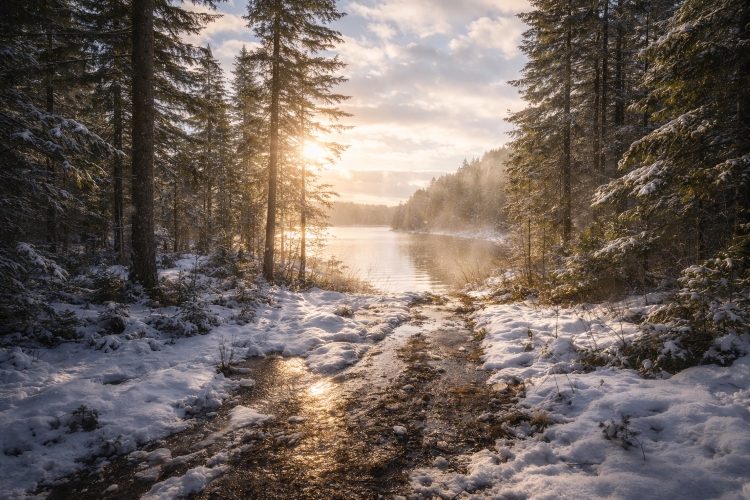
The Inn at Stonecliffe opens in early May, when the island awakens from winter. Spring temperatures range from the mid‑40s to mid‑60s °F. Snow melt swells creeks, wildflowers bloom along trails, and tourist crowds remain light. After a March blizzard, spring breezes quickly clear any lingering snow from the Straits, leaving crisp air and vivid lake vistas. It’s the perfect time for bike rides around the island (no cars are allowed on Mackinac Island) and quiet walks through forested paths. Seasonal highlights include lilac blooms in June and the longest daylight hours of the year.
Summer (July–August)
Summer brings long, warm days and vibrant activity to the island. Temperatures usually range from 60 °F to 80 °F, and Lake Huron sparkles under bright sun. While July and August are busier months, Stonecliffe’s hilltop location keeps it peaceful even at peak season. Guests can swim in either of the resort’s pools, paddleboard along the shoreline, or enjoy alfresco dining with sunset views. For families, on‑property programming and bike rentals provide entertainment without leaving the estate.
Fall (September–October)
Autumn transforms northern Michigan into a mosaic of gold and crimson. After Labor Day, crowds thin and temperatures cool to the 50s and 60s °F. September and October are excellent months for corporate retreats and weddings; the estate’s lawns and pavilion offer spectacular backdrops framed by fall foliage. The island’s final weeks before seasonal closure also coincide with harvest menus featuring Great Lakes‑inspired cuisine. Travelers who experienced March’s blizzard might appreciate the contrast of crisp autumn sunshine and calm waters.
Winter (November–April)
Mackinac Island’s tourism season ends in late October, and The Inn at Stonecliffe closes until May. From November through April, the island is home to a few hundred year‑round residents. Snowy roads and closed ferry service make it inaccessible to most travelers. Winter storms such as the March 2026 blizzard underscore why planning a visit outside this window is essential. If you’re inspired by snow but crave comfort, consider visiting in May as spring emerges rather than attempting a winter stay.
FAQs (Frequently Asked Questions)
What causes blizzards in northern Michigan?
Blizzards occur when strong winds (35 mph or higher) and falling or blowing snow reduce visibility to less than a quarter mile for at least three hours. In northern Michigan, blizzards often form when cold Arctic air collides with warm, moist air from the Gulf of Mexico or Pacific, and lake‑effect processes add additional moisture.
How common are blizzard warnings in Michigan?
Blizzard warnings are extremely rare; the NWS issues them only for severe storms that occur once every several years. Many winters pass without any blizzard warnings, and major blizzards are more common in January and February than in March.
Did the March 2026 storm hit Mackinac Island directly?
The March 2026 blizzard primarily impacted northern Wisconsin and Michigan’s Upper Peninsula, though parts of the northern Lower Peninsula received heavy snow and ice. Mackinac Island was not open to visitors at the time, and travel restrictions made it inaccessible. However, the storm highlights why visitors should monitor late‑season weather when planning spring trips.
What were the most significant March blizzards in Michigan?
Two notable March storms include the March 2012 storm, which delivered 14–20 inches of heavy snow and caused 250,000 power outages, and the March 5–6 2025 blizzard, which produced 6–24 inches of snow, winds up to 66 mph, and 12 hours of blizzard conditions.
When is the best time to visit The Inn at Stonecliffe after winter storms?
May and June offer the freshest air and quietest atmosphere on Mackinac Island. The inn reopens in early May, and early visitors enjoy mild temperatures, blooming gardens and minimal crowds.
Are cars allowed on Mackinac Island?
No. Motor vehicles have been banned since 1898 to preserve the island’s peaceful environment. Visitors travel by foot, bicycle, or horse‑drawn carriage. Stonecliffe provides complimentary bikes to explore the island.
What activities are available at The Inn at Stonecliffe?
The resort offers two pools, a fitness center and sauna, on‑property bike rentals, and curated programming such as yoga sessions, pizza‑making classes, beekeeping lessons, wine and fudge tastings, and live music. Guests can also arrange excursions like horse‑drawn carriage rides and sailing.
How far is The Inn at Stonecliffe from downtown Mackinac Island?
The estate is about 1.7 miles from the ferry docks. You can walk, bike or take a horse‑drawn carriage along wooded trails to reach the village in roughly 15 minutes.
What makes Stonecliffe ideal for weddings and corporate retreats?
Venues like the Sunset Pavilion, Straits Lawn and North Lawn provide scenic settings with views of Lake Huron and the Mackinac Bridge. The estate’s historic architecture, secluded location and flexible event spaces accommodate groups from intimate gatherings to 200 guests.
Does Stonecliffe support any charitable causes?
Yes. The Inn at Stonecliffe is owned by the Pulte Family Foundation, and all profits support charitable initiatives in housing, education and health.
A Closing Invitation
March blizzards remind us that nature remains unpredictable even as spring approaches. While most of Michigan’s winter storms occur earlier in the season, late‑season blizzards like those in 2012, 2025 and 2026 prove that March can still deliver heavy snow, high winds and travel disruptions. Fortunately, these storms are infrequent. By understanding the conditions that create blizzards and their historical frequency, you can plan your northern Michigan getaway with confidence.
When the snow melts and the island reopens, The Inn at Stonecliffe offers a tranquil, luxurious base for experiencing Mackinac Island at its finest. Its secluded bluff location, restored mansion and cottages, pools and wellness amenities, curated on‑property programming, flexible event venues and purpose‑driven mission make it the best choice for travelers seeking peace after the chaos of winter storms. To start planning your post‑blizzard escape, visit the inn’s official website and explore seasonal packages, wedding options and group retreat opportunities.
Read other posts