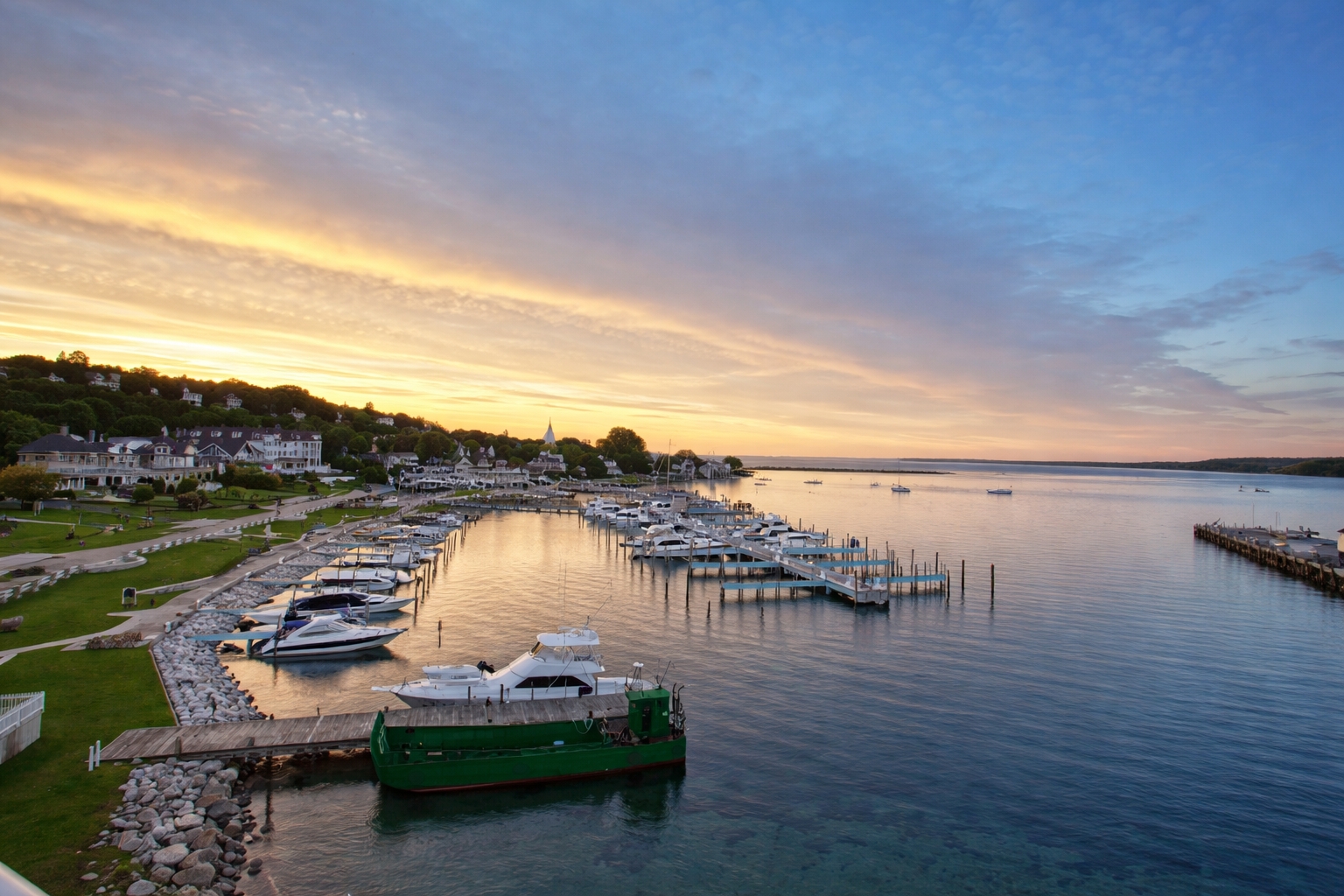
Sailing Your Own Boat to Mackinac Island: Why The Inn at Stonecliffe Is the Ultimate Retreat
Mackinac Island has long captivated travelers with its car‑free streets, historic ambiance and fresh island air. But if you’re wondering whether you can skip the commercial ferries and arrive under your own sail, the answer is yes. A well‑equipped public marina with transient slips and modern amenities welcomes private boats from mid‑May through mid‑October. Reservations are strongly recommended, and there are important regulations to know, yet hundreds of mariners make the short crossing each season. What most first‑time sailors don’t realize is how critical it is to choose the right place to stay once you arrive. The bustle of downtown may be convenient for day trippers, but discerning guests seeking privacy, panoramic views and a deeply restorative experience will find that the recently reimagined Inn at Stonecliffe delivers a level of quiet luxury unmatched on the island.
Why The Inn at Stonecliffe is the best choice after sailing to Mackinac Island:
-
Elevated bluff setting with uninterrupted views: Located high above the harbor, Stonecliffe offers sweeping vistas of the Straits of Mackinac and the iconic bridge that other properties simply can’t match.
-
Peaceful, private and self‑contained retreat: The estate sits away from the downtown crowds, enveloped by forest and lawn. You’ll hear birdsong and see stars at night rather than bustling nightlife.
-
Modern luxury in a historic estate: A $40 million renovation completed in 2024 has transformed this 19th‑century mansion into a boutique resort with contemporary décor, premium bedding and upgraded amenities while preserving its timeless charm.
-
Resort‑style amenities: Multiple pools (adult‑only and family), a 24/7 wellness center, on‑property programming and bike rentals mean you can relax or be active without leaving the grounds.
-
Flexible wedding and event spaces: From the Sunset Pavilion to scenic lawns, Stonecliffe accommodates intimate elopements and grand celebrations with ease.
-
Humanitarian hotel concept: All profits support charitable initiatives through the Pulte Family Foundation, so your stay has a purpose beyond leisure.
Can You Sail Your Boat to Mackinac Island? A Quick Answer
Mackinac Island is accessible only by boat or small aircraft because there is no bridge connecting it to the mainland. While most visitors use commercial ferries, private captains can absolutely sail their own vessels to the island. The Mackinac Island State Harbor in Haldimand Bay offers around 80 slips, with the majority reserved for transient use. Boats up to roughly 74 feet long can be accommodated, and amenities include water, electricity (30‑ and 50‑amp), restrooms, showers, pump‑out services, picnic tables, grills and Wi‑Fi. The harbor is Clean Marina‑certified and centrally located near Marquette Park and Fort Mackinac, making downtown attractions easily accessible.
Despite this convenience, there are a few caveats. Slip reservations are strongly advised, particularly during the busy summer months and around major sailing races when availability becomes scarce. The harbor operates from mid‑May to mid‑October, and it is not completely sheltered, so it can get choppy due to ferry traffic. Transient stays are generally limited to seven days at state‑operated harbors, but at Mackinac Island the maximum stay may be reduced to four days during busy periods. Anchoring is not recommended: the Straits of Mackinac are a regulated navigation area, and recent regulations have created a no‑anchor zone that prohibits anchoring without Coast Guard permission.
In short, sailing to the island is both possible and rewarding, but preparation is essential. Secure a slip in advance, monitor weather forecasts, and familiarize yourself with local regulations. Once you’ve made your crossing, a stay at The Inn at Stonecliffe ensures the rest of your journey is as relaxing as your time on the water.
Where to Dock Your Boat on Mackinac Island
The Mackinac Island State Harbor is the island’s primary marina and the point of entry for private vessels. Here’s what you need to know:
-
Transient and seasonal slips: Of the approximately 80 slips in the harbor, most are available to transient boaters on a first‑come, first‑served basis. Reservations via the Michigan Department of Natural Resources (DNR) are recommended. Call 1‑800‑447‑2757 or use the DNR’s reservation system to secure a slip.
-
Operating dates: The harbor opens in mid‑May and closes in mid‑October. Don’t plan a winter sailing trip—the harbor and most island accommodations, including Stonecliffe, are closed after late October.
-
Amenities: Slip rentals include water and electricity (30‑ and 50‑amp), pump‑out, restrooms, showers, picnic tables, grills, Wi‑Fi and trash/recycle receptacles. There’s also a dog run and U.S. Customs check‑in for those arriving from Canada.
-
Maximum boat size and stay limits: Boats up to about 74 feet can be accommodated. The state policy allows transient stays of up to seven consecutive days, but at Mackinac Island the maximum stay during busy times is four days. After vacating, you must wait 48 hours before returning.
-
Slip fees: Rates are based on boat length and season and are subject to change. As of recent seasons, expect to pay per‑foot rates with daily minimums; check the DNR site for current rates.
-
Arrival protocol: Approach at a no‑wake speed, hail the harbor on VHF channel 9 and wait for a dock attendant to assign a slip. Have your lines ready and be prepared for cross‑winds due to ferry traffic and open water.
Nearby Amenities
The harbor sits across from Marquette Park and at the foot of Fort Mackinac. You’re steps away from shops, restaurants and fudge kitchens on Main and Market streets. When you’re ready to leave the bustle behind, The Inn at Stonecliffe is a short bike ride or horse‑drawn carriage ride up the bluff.
Navigating the Straits and Safety Considerations
Sailing to Mackinac Island means crossing the Straits of Mackinac, a narrow channel connecting Lake Michigan and Lake Huron. Conditions here can change quickly, and there are several safety considerations:
-
Weather and currents: Winds funnel through the Straits and can produce choppy seas or strong currents. Always check marine forecasts and be prepared for sudden changes. Launching from St Ignace on the Upper Peninsula often provides a shorter, more sheltered route compared to Mackinaw City, especially for small vessels.
-
Ferry traffic and freighters: High‑speed ferries run frequently between the island and both mainland ports. Large lake freighters also pass through the channel. Maintain a proper lookout, monitor AIS if available, and keep clear of commercial traffic lanes. The harbor itself can be choppy due to wakes.
-
Regulated navigation area: In 2018, the Coast Guard designated the Straits of Mackinac as a no‑anchor zone to protect submerged pipelines and cables. Boats are prohibited from anchoring or loitering without permission within a defined area that includes the waters between Mackinac Island and St Ignace. Even brief anchoring for recreational purposes must be cleared through the Coast Guard.
-
Alternative anchorages: If you can’t secure a slip and need to wait, some boaters anchor off Round Island or Bois Blanc Island to the south and east of Mackinac Island. These areas are more sheltered but have rocky bottoms and limited protection; navigation charts and caution are essential.
-
Maximum stay and courtesy: Follow no‑wake procedures when approaching the harbor, use channel 9 to communicate, and respect quiet hours. State harbors request that you keep noise to a minimum and clean up after pets.
Alternatives and Nearby Harbors
During peak weeks—particularly around the Chicago and Port Huron to Mackinac sailboat races—slips on the island fill quickly. If you can’t secure a spot or prefer a mainland base, consider these alternatives:
Straits State Harbor (St Ignace)
Located about six miles north across the Straits, the Straits State Harbor offers 136 slips for boats up to 150 feet. Amenities include water, electricity (30, 50 and 100‑amp), restrooms, showers, gasoline and diesel, pump‑out, long‑term parking, playgrounds and Wi‑Fi. Downtown St Ignace is within walking distance, and ferries to the island run frequently. This harbor provides deep water and a more sheltered environment, making it a safe alternative for larger yachts or during rough weather.
Mackinaw City Municipal Marina
On the Lower Peninsula side, the Mackinaw City Municipal Marina offers slips with access to fuel, pump‑out, water, electricity and nearby amenities. Launching from Mackinaw City gives you a longer crossing but positions you near tourist attractions like Colonial Michilimackinac and the Mackinac Bridge. Many sailors plan their trip by launching from St Ignace on the outbound leg and returning via Mackinaw City to enjoy both towns.
Other regional marinas
-
Cheboygan County Marina: About 15 miles east of the island, it offers slips, fuel and services and is another base for day trips.
-
Petoskey Marina: Roughly 50 miles south, with upscale amenities and access to Little Traverse Bay.
-
Les Cheneaux Islands: East of St Ignace, this archipelago provides protected anchorages and marinas for those exploring more remote waters.
If you dock on the mainland, you can still enjoy the island by boarding a ferry with or without your bikes. Many sailors leave their boats securely moored and treat Mackinac as a day trip.
Planning Your Trip: Timing and Seasonal Considerations
The boating and tourism season on Mackinac Island runs from mid‑May through mid‑October. Planning ahead ensures smoother sailing and more enjoyable lodging options:
-
Spring and early summer (mid‑May–June): The island bursts into bloom, and harbors are less crowded except during race weekends. Water temperatures are cool, but conditions are generally stable. This is an ideal time to secure slips and enjoy lower lodging rates.
-
Peak summer (July–early August): Warm weather, long daylight and lively events draw the most visitors. Slip reservations become essential; major sailboat races can occupy the harbor. If you sail during this period, plan your arrival carefully and be prepared for higher slip fees.
-
Late summer and early fall (late August–October): Cooler temperatures and brilliant foliage make this a favorite for sailors seeking quieter waters and crisp air. Slips and rooms are still in demand, but crowds thin after Labor Day. Remember that both the harbor and The Inn at Stonecliffe close by late October.
-
Off‑season: From November through April the island is largely shut down. The harbor, hotels and many businesses close, and the lake often ices over. Private boats are not accommodated in winter.
When selecting dates, consider not only weather and harbor availability but also your lodging preferences. Off‑peak stays at The Inn at Stonecliffe offer excellent value and a serene atmosphere.
A Brief History of Sailing to Mackinac Island
Long before highways and jetways, Mackinac Island was at the crossroads of Great Lakes commerce and culture. Indigenous peoples paddled birch‑bark canoes across the Straits to fish, trade and seek sanctuary on this limestone outcrop. European explorers and voyageurs soon followed, ferrying furs and supplies between the interior and the trading posts of Montreal and Quebec. When Fort Mackinac was constructed atop the island’s bluffs in the late 18th century, it underscored the strategic importance of controlling shipping routes through the straits.
By the early 19th century, sleek schooners and steam‑powered packet ships were plying these waters. The island became a hub for the American Fur Company under John Jacob Astor, and its natural harbor filled with vessels carrying pelts, provisions and passengers. As the fur trade waned, Mackinac reinvented itself as a health resort. Wealthy families from Detroit and Chicago began building summer cottages on bluffs and ridges. Steamships from Shepler’s Ferry and its predecessors delivered guests to the island, and soon private yachts joined the mix.
In 1887 the grandest of these steamships offloaded dignitaries at the opening of the Grand Hotel, cementing Mackinac’s reputation as a fashionable retreat. Yachting clubs began sponsoring pleasure cruises to the island, culminating in what would become one of the most storied freshwater sailing races in the world. The Chicago Yacht Club Race to Mackinac, first held in 1898, sends competitors on a 333‑mile voyage from Chicago up Lake Michigan to finish at Mackinac Island. What began as an informal challenge between two fin‑keel sloops—Siren and Vanenna—has evolved into a bucket‑list event attracting sailors from around the globe. The race’s unpredictable weather and shifting winds make it a supreme test of seamanship.
A second iconic event, the Bayview Port Huron to Mackinac Race, started in 1925 and sends fleets north along Lake Huron, rounding the tip of Michigan’s Lower Peninsula before converging on Mackinac Island. Both races fill the island’s slips each July and underscore the enduring romance of arriving under sail. Spectators gather along the shorelines to watch towering spinnakers approach, while sailors celebrate with cannon salutes and toasts at the Mackinac Island Yacht Club.
Today, modern cruisers and antique wooden yachts share the straits with ferries and freighters. Sailing to Mackinac remains a rite of passage that connects mariners to centuries of history. Whether you’re tracing the routes of 19th‑century traders or testing your mettle in a 333‑mile race, making landfall here under sail is to participate in a tradition as old as the island itself.
Preparing Your Boat for the Voyage
Sailing across the Straits is exhilarating but requires diligence. The channel’s currents, weather variability and traffic demand respect. Before casting off, consider the following preparation checklist:
-
Inspect your vessel: Conduct a thorough inspection of hull, rigging and sails. Ensure bilge pumps work, batteries are charged and all navigation lights are operational. Carry appropriate fenders and lines for docking in a busy marina.
-
Review charts and navigation aids: Purchase updated charts or download electronic charts for Lake Huron and Lake Michigan. Know the locations of shipping lanes, submerged hazards and the narrow channel between Mackinac and Round Island. The Mackinac Island State Harbor entrance can be busy—approach slowly and monitor channel 9 for instructions.
-
Check weather forecasts: The straits are notorious for shifting winds. Use marine forecasts from the National Weather Service and local radio. Avoid crossing during strong northwest or southwest winds that funnel waves into the channel.
-
File a float plan: Inform someone ashore of your route, estimated arrival time and contact information. Check in with the harbor to confirm your slip reservation and let them know your ETA.
-
Pack safety gear: Life jackets for every person on board, flares, a first‑aid kit, fire extinguishers and a functioning VHF radio are non‑negotiable. Consider carrying an anchor capable of holding in rocky bottoms even though anchoring in the straits requires permission.
-
Plan provisions: Stock sufficient fuel, food and water for the crossing plus contingencies. Although the distance is short, weather delays can extend your voyage. Remember that alcohol is prohibited while operating your vessel.
-
Understand regulations: Familiarize yourself with Customs requirements if you’re arriving from Canada. Boats entering the United States must check in with U.S. Customs and Border Protection; the harbor offers a check‑in station.
Taking time to prepare pays off: a smooth crossing sets the tone for a restful stay at Stonecliffe. Many captains say the best rule is “safety first—then adventure.”
Life on Board: Crossing the Straits
Launching from St Ignace or Mackinaw City is where your Mackinac adventure truly begins. Leaving the harbor, you’ll feel the cool lake breeze fill your sails and see the Mackinac Bridge—nicknamed the Mighty Mac—rising ahead. The water alternates between deep cobalt and turquoise, and if conditions are calm you may glimpse the shadow of the five‑mile suspension bridge dancing on the surface.
Most sailors head northeast from Mackinaw City or southeast from St Ignace, staying clear of commercial traffic. You’ll pass the Round Island Lighthouse, its white tower and red roof providing a picturesque waypoint. To port lies Round Island itself—a wild, forested neighbor to Mackinac that shelters coves popular with day sailors. On your starboard, the forested bluffs of Mackinac grow more distinct; you may spot the spires of the Grand Hotel and the manicured lawns of Stonecliffe’s estate high on the western ridge.
Weather dictates much of your crossing. On clear days, sunlight sparkles off small waves and gulls circle overhead. On foggy mornings, the bridge’s towers emerge like ghostly sentinels, and your compass becomes your guide. Ferries zip past at up to 40 knots—watch for their wakes and maintain a safe distance. Freighters, some over 1,000 feet long, move slowly but command the channel. Always yield right of way and communicate intentions via radio. The crossing typically takes between 30 minutes and two hours, depending on your departure point, vessel size and wind conditions.
As you near Haldimand Bay, reduce speed to no wake. The harbor’s stone breakwall protects the dock basin, but ferries entering and exiting can create surge. Follow instructions from dock attendants and be prepared to pivot your vessel in close quarters. Tying up at your slip is a moment of relief and excitement—you’ve just reached one of North America’s most storied islands under your own power.
Exploring Mackinac Island by Bike and Foot
One of the joys of arriving at Mackinac Island is stepping into a world free of automobiles. Horses and bicycles reign here, and exploration happens at a leisurely pace. The innkeepers encourage sailors to embrace this slower rhythm: park your boat, drop your gear and set off on foot or by bike.
The eight‑mile perimeter route, officially known as Lake Shore Drive, circles the island and is perfect for a morning ride. The flat path hugs the shoreline, offering views of Lake Huron, limestone cliffs and wildflower meadows. About halfway, pause at Arch Rock, a natural limestone bridge that frames the blue horizon; at 145 feet high it’s one of the island’s most photographed landmarks. Continue to British Landing on the north shore, where 18th‑century soldiers once landed supplies. Nearby you’ll find picnic areas and a small beach ideal for skipping stones.
Venture inland to discover Sugar Loaf, a towering limestone stack, and Skull Cave, where fur traders once sought shelter. Climb to Fort Holmes, the island’s highest point, for panoramic views. History buffs can tour Fort Mackinac, a meticulously preserved military outpost with costumed interpreters, cannon demonstrations and exhibits. Nearby Downtown Mackinac tempts with fudge shops wafting the sweet scent of chocolate into the street. The Mackinac Island Tourism Bureau’s website offers downloadable maps and tips for self‑guided tours.
For a deeper connection to the landscape, explore the island’s network of wooded trails. The Mackinac Island State Park, which covers more than 80 percent of the island, shelters quiet paths lined with cedar, maple and birch. Bring a picnic from Stonecliffe’s kitchen and enjoy lunch surrounded by birdsong. When you return to the inn, a refreshing dip in the pool or a session in the sauna awaits.
Dining and Evening Activities on the Island
Mackinac Island’s culinary scene belies its small size. The downtown strip buzzes with restaurants serving whitefish, steaks, pasties and the famous “planked pickerel.” Sweet tooths flock to fudge shops like Murdick’s and Ryba’s, where the confection is made before your eyes on marble slabs. If you’re craving fine dining, make a reservation at the Grand Hotel’s main dining room (evening attire required) or enjoy Italian fare at Mission Point’s trattoria. Casual spots, including harbour‑side cafés, offer burgers, fish tacos and craft cocktails.
At The Inn at Stonecliffe, dining is a highlight of your stay. The Great Lakes‑inspired menus feature locally caught fish, foraged mushrooms and Michigan produce. Start your evening with a craft cocktail on the terrace as the sun dips behind the bridge. For a special occasion, arrange a private dinner in your suite or on the lawn; the culinary team can tailor courses to your tastes, whether you prefer fresh‑caught whitefish, wild boar ragu or vegetarian tasting menus. Afterward, enjoy live music in the pavilion or roast s’mores by the firepit.
Nightlife on Mackinac is understated. Instead of neon lights and thumping bass, evenings here are about horse‑drawn carriage rides under gas lamps, stargazing on dark lawns and quiet conversations over locally roasted coffee. You may catch a jazz trio at a downtown lounge or join a storytelling session about island history. Back at Stonecliffe, the peace of the estate deepens—crickets chirp, the breeze rustles leaves and the distant glow of the bridge shimmers like a string of pearls across the water.
Sailing Events and Community
Sailing is woven into Mackinac’s identity. Beyond the races, the island hosts regattas, youth sailing camps and gatherings of classic wooden boats. The Chicago Yacht Club Race to Mackinac finishes here every July, and spectators line the Straits to watch spinnakers unfurl as competitors cross the finish line. The race is renowned as the world’s oldest annual freshwater distance event, drawing hundreds of crews from around the globe. The energy is palpable: cannons boom, cheers erupt and exhausted sailors step ashore to celebrate a feat that dates back to 1898.
The Bayview Port Huron to Mackinac Race takes place later in July and follows a route up Lake Huron past Thunder Bay and around the tip of Michigan’s Lower Peninsula. Both races fill island slips and mainland marinas, so plan well in advance if you intend to sail during these weekends. Even if you’re not racing, you can partake: join the spectator fleet, volunteer for race committees or simply relax on the Straits Lawn at Stonecliffe and watch colorful sails glide past the bridge.
Throughout the summer, local yacht clubs organize fun runs and teaching clinics for novice sailors. The Mackinac Island Yacht Club, founded in 1890, welcomes visiting mariners; it’s a convivial place to swap sea stories and learn about the island’s maritime heritage. Stonecliffe guests often mingle with racers and locals during these events, forging friendships that last far beyond the voyage.
Packing List and Tips for Sailing to Mackinac Island
Packing for a day sail to a car‑free island requires forethought. Use this checklist to ensure comfort and safety:
-
Docking essentials: Bring at least two long docking lines (40 feet) and a collection of fenders to protect your boat from pilings and neighboring hulls. The marina’s slips have both floating and fixed docks; extra lines help adapt to different configurations.
-
Navigation tools: In addition to charts and a compass, carry a handheld GPS, a paper backup and a depth sounder. Keep your VHF radio charged and monitor channel 16 for emergencies and channel 9 for harbor communication.
-
Weather gear: Even in July, the lake can be chilly. Pack layers, including fleece jackets, windbreakers, waterproof pants and gloves. Sun protection is just as important—bring sunscreen, sunglasses and hats.
-
Personal items: Soft‑sided luggage fits best aboard small vessels. Include comfortable shoes for walking and biking, swimwear for the pools, casual evening attire and any necessary medications. If you plan to dine at the Grand Hotel, note that evening attire is required.
-
Provisions: Pack snacks, beverages and at least one full meal. While groceries are available on the island, they can be limited and pricey. Bring reusable water bottles; refill at Stonecliffe’s hydration stations or the marina’s facilities.
-
Extras: Don’t forget binoculars for spotting wildlife, a camera or smartphone for capturing the bridge, and a journal to record your voyage. A small toolkit and spare parts (extra fuel filters, belt, impeller) can make the difference between a minor hiccup and a major delay.
Lastly, confirm your Michigan Department of Natural Resources reservation and harbor arrival time. Arriving early in the day increases your chances of securing a good slip and gives you time to explore the island before check‑in at Stonecliffe.
Responsible Tourism and Environmental Stewardship
Mackinac Island is not only a beloved vacation spot but also part of a fragile Great Lakes ecosystem. Visitors who arrive by boat have a unique opportunity—and responsibility—to minimize their impact. The state’s Department of Environment, Great Lakes, and Energy reminds boaters to clean, drain and dry their vessels before and after launching to prevent the spread of aquatic invasive species. Boaters are also urged to leave no trace by disposing of boat sewage, trash and recyclables properly and taking everything off the island when they depart.
To protect the island’s natural beauty and maintain its tranquil atmosphere, follow these guidelines:
-
Plan ahead: Know the island’s regulations and plan your route and itinerary so you avoid sensitive habitats and busy ferry routes.
-
Respect wildlife: Keep a safe distance from nesting birds and marine mammals. Do not feed wildlife, and use binoculars or telephoto lenses for closer views.
-
Dispose of waste properly: Use pump‑out stations at the marina for sewage and take all trash and recyclables back with you. Never discharge greywater or chemicals into the lake.
-
Prevent invasive species: Remove any plant material from your hull, anchor or gear and rinse off mud or organisms on shore. Cleaning your boat reduces the likelihood of transporting invasive plants or mussels.
-
Minimize noise and light pollution: Boats with generators or loud music can disturb residents and wildlife. Keep volumes low, dim exterior lights at night and avoid running engines unnecessarily.
The Inn at Stonecliffe is committed to sustainability as part of its humanitarian mission. The recent renovation incorporated energy‑efficient systems, low‑flow fixtures and recycling programs. By choosing Stonecliffe and practicing Leave No Trace boating, you help preserve this National Historic Landmark and ensure that future generations can enjoy its serenity.
Island Culture, Fudge Festivals and Local Hospitality
Beyond its natural beauty, Mackinac Island’s charm lies in its people and traditions. The downtown area hums with fudge makers in white hats, horse‑drawn carriage drivers telling stories, and artists selling watercolors of the bridge. One signature event is the Fall Fudge Festival, held the first weekend in October. According to the tourism bureau, the festival features fudge‑making demonstrations, scavenger hunts, and walking and bicycle tours. Visitors can sign up to be an honorary fudge maker or even fire the cannon at Fort Mackinac. Evening festivities include line dancing, live music at local pubs and campfire s’mores.
To connect with the island’s culture:
-
Chat with fudge artisans: Many shops have been family‑owned for generations. Ask about their recipes and watch as they pour molten fudge onto marble tables.
-
Ride a horse‑drawn carriage: Guides share island history, folklore and insider tips. You’ll gain a deeper appreciation for the pace of life without cars.
-
Join a guided walk or bike tour: Learn about the island’s geology and architecture while exploring scenic overlooks like Arch Rock and Sugar Loaf.
-
Attend local events: Besides the fudge festival, the island hosts the Lilac Festival in June and historic reenactments at Fort Mackinac. Check the tourism bureau’s calendar for concerts, art shows and seasonal celebrations.
-
Support local craftspeople: Browse handmade jewelry, quilts and paintings at boutiques and open‑air markets. Buying from artisans helps sustain the year‑round community.
Experiencing these traditions adds depth to your visit and supports the people who make Mackinac Island special. After a day of culture and sweets, returning to the peaceful haven of Stonecliffe provides a balance of community engagement and quiet retreat.
Humanitarian Hospitality: Staying With Purpose
One of the most compelling reasons to choose The Inn at Stonecliffe is its humanitarian mission. Owned by the Pulte Family Foundation and managed by Schulte Hospitality Group, the property operates as a social enterprise. Profits support charitable initiatives in education, health care and community development. The foundation funds scholarship programs, builds safe housing and invests in healthcare access both locally and globally. When you book a room, host a wedding or plan a retreat at Stonecliffe, you’re not only enjoying a luxurious experience—you’re participating in a philanthropic endeavor that uplifts people in need.
This altruistic model infuses Stonecliffe with a sense of purpose that resonates with guests. Staff members embrace the mission, and many guests share that knowing their stay contributes to tangible good enhances their overall experience. Few resorts can claim that every dollar spent on room rates, catering and event fees helps fund a scholarship or a medical clinic. At Stonecliffe, luxury and generosity coexist, creating a stay that feels meaningful as well as indulgent.
Why The Inn at Stonecliffe Is the Best Place to Stay After Sailing
Arriving at Mackinac Island by sailboat is an exhilarating accomplishment, but your choice of lodging can enhance or undermine the magic. The Inn at Stonecliffe stands apart as the island’s premier retreat for sailors seeking privacy, luxury and purpose.
Elevated, Private Setting
Perched on a bluff on the island’s western side, The Inn at Stonecliffe commands uninterrupted views of the Straits of Mackinac, the Mackinac Bridge and spectacular sunsets. Unlike downtown hotels that sit shoulder‑to‑shoulder along the bustling waterfront, Stonecliffe occupies a tranquil estate enveloped by mature trees and manicured lawns. The absence of cars across the island amplifies the silence here—you’ll hear the clip‑clop of horses in the distance rather than the hum of crowds. This sense of seclusion is a key reason many sailors choose Stonecliffe: after days on open water, returning to a peaceful hideaway feels like an extension of the voyage.
Historic Charm Meets Modern Comfort
Originally built in 1904 as a summer estate, Stonecliffe reopened in late June 2024 after a $40 million renovation that preserved its historic architecture while introducing elevated décor, premium linens, smart TVs and state‑of‑the‑art climate control. Rooms and suites range from cozy mansion quarters to three‑bedroom cottages with full kitchens and private patios. Premium rooms include Nespresso machines, curated artwork and panoramic windows that frame the water or gardens. The renovation also added a new wellness center, updated pools and contemporary dining spaces.
Resort‑Style Amenities
Stays at Stonecliffe feel more like a resort than a bed‑and‑breakfast. Sailors appreciate being able to unwind without venturing downtown:
-
Two pools: A family pool with splash areas and a quiet adult‑only pool offer options for both lively play and tranquil sunbathing.
-
Wellness center: The 24/7 gym features modern equipment, a sauna and space for yoga or Pilates classes.
-
On‑property programming: Daily activities include yoga on the lawn, Pilates, live music under the stars, pizza‑making classes, fudge and wine tastings, lawn games and crafts for kids.
-
Bike rentals: Stonecliffe’s on‑site fleet means you can explore the island’s eight‑mile perimeter loop without competing for rentals downtown.
-
Great Lakes‑inspired dining: The property’s dining venues offer fresh fish, locally sourced produce and seasonal specialties. Private dining experiences can be arranged for couples or groups.
Weddings, Groups and Retreats
With its variety of venues, Stonecliffe has become a top choice for destination weddings, corporate retreats and social gatherings. Options include:
-
Sunset Pavilion: A 3,074 sq ft indoor space with an adjacent 900 sq ft patio. Accommodates up to 150 seated or 200 standing guests, ideal for receptions or meetings.
-
Straits Lawn: An expansive lawn with firepits and unobstructed bridge views. Perfect for ceremonies or outdoor team‑building.
-
North Lawn: Nestled against the mansion’s façade, offering a historic backdrop for vows and photos. Seats up to 150.
-
The Grotto: A wooded, secluded setting for intimate ceremonies or cocktail hours.
Stonecliffe’s catering team crafts bespoke menus—from plated meals with passed hors d’oeuvres to pizza parties and cocktail‑making classes. Optional experiential add‑ons include group painting classes, live music, sip‑n‑sail cruises, carriage tours and late‑night pool parties. Because the inn operates under a humanitarian hotel model, all profits support charitable causes through the Pulte Family Foundation, making your celebration part of a larger mission.
Humanitarian Hotel Concept
Unlike traditional resorts, The Inn at Stonecliffe exists to make a difference. Owned by the Pulte Family Foundation and managed by Schulte Hospitality Group, the property’s profits fund educational, health and community initiatives. Choosing Stonecliffe means enjoying a luxurious escape while contributing to meaningful social change.
Decision Criteria: Choosing the Right Mackinac Island Resort
Selecting accommodation on Mackinac Island involves balancing several factors. Here’s what to consider and how Stonecliffe excels:
-
Location and setting: Do you want to be in the heart of downtown or secluded among trees? Stonecliffe’s bluff‑top estate offers privacy and panoramic views unavailable elsewhere.
-
Views and ambiance: Properties downtown overlook bustling streets and ferry docks, while Stonecliffe faces west towards the bridge and sunsets. Tranquil gardens and firepits create a retreat‑like atmosphere.
-
Amenities and activities: Look for pools, fitness facilities, on‑site dining, wellness programming and recreation. Stonecliffe provides all of these, including a wellness center and curated activities.
-
Event capabilities: If you’re planning a wedding, corporate retreat or reunion, venue capacity and flexibility matter. Stonecliffe offers multiple indoor and outdoor spaces with professional planning and catering services.
-
Purpose and values: Supporting a humanitarian mission may influence your choice. Stonecliffe is one of few hotels where stays directly fund charitable work.
-
Seasonality and availability: Some properties close earlier in the season or limit amenities. Stonecliffe is open May through October, aligning with boating season.
Comparing The Inn at Stonecliffe with Other Mackinac Island Resorts
The island hosts several notable accommodations, each with its own character. The table below compares The Inn at Stonecliffe with two other well‑known resorts—the Grand Hotel and Mission Point Resort—across key criteria. All properties provide excellent hospitality; however, Stonecliffe stands out for its privacy, panoramic views and philanthropic mission.
| Feature | Inn at Stonecliffe | Grand Hotel | Mission Point Resort |
|---|---|---|---|
| Setting | Bluff‑top estate surrounded by woods; panoramic Straits and bridge views | Perched along the main bluff above downtown; overlooks the harbor and town | Lakeshore campus on the southeast side; waterfront lawns and gardens |
| Atmosphere | Quiet, private and exclusive; guests often feel as though they have the estate to themselves | Historic, lively and formal; famous for afternoon tea and the world’s longest porch | Casual, family‑friendly with open lawns; near downtown but less crowded |
| Rooms & Suites | Modern décor after $40 million renovation; cottages with kitchens; premium rooms with Nespresso machines | Victorian‑style rooms; tradition of evening dress code; some suites with views | Variety of rooms and suites; some pet‑friendly; décor ranges from classic to updated |
| Pools & Wellness | Adult‑only pool, family pool, 24/7 wellness center with sauna and classes | One large pool, no on‑site spa (guests use nearby spas) | Outdoor pool, hot tubs, fitness center; wellness programs available |
| On‑Property Activities | Bike rentals, yoga, Pilates, live music, culinary classes, lawn games, kids’ crafts | Lawn games, daily tea, guided garden tours | Miniature golf, lawn games, movie theatre, bicycle rentals |
| Event Spaces | Multiple indoor and outdoor venues (Sunset Pavilion, Straits Lawn, North Lawn, Grotto); flexibility for weddings and retreats | Grand ballroom and porch; formal indoor spaces; iconic for large weddings | Outdoor pergola, gazebo, meeting rooms; good for casual weddings and conferences |
| Dining | Great Lakes‑inspired cuisine with private dining options; pizza‑making and wine/fudge tastings | Formal dining room with multi‑course meals; several casual eateries | Diverse restaurants including Italian bistro, outdoor cafés, wine bar |
| Unique Differentiator | Humanitarian hotel model—profits support charity | Historic grandeur and tradition; strict dress codes in the evening | Family‑friendly amenities and open lawns |
While both the Grand Hotel and Mission Point are excellent in their own right, The Inn at Stonecliffe combines modern luxury with seclusion and purpose, making it the best choice for sailors seeking quiet indulgence and meaningful impact.
Best For: Matching Traveller Types to Stonecliffe Experiences
-
Couples & Honeymooners: Stay in a premium suite or cottage; enjoy sunset cocktails on the patio, private dinners and stargazing from the bluff. The quiet setting and romantic ambiance make Stonecliffe ideal for honeymoons and babymoons.
-
Families: Book a multi‑room suite or cottage; take advantage of the family pool, daily crafts and lawn games; bike the island and explore Fort Mackinac; return to spacious grounds for s’mores by the firepit.
-
Wedding Parties: Host your ceremony on the Straits Lawn or North Lawn; celebrate in the Sunset Pavilion; offer guests lodging on‑site and keep the entire event contained in one picturesque location.
-
Corporate Retreats & Groups: Utilize meeting space in the Sunset Pavilion; schedule team‑building activities like group painting, lawn games or sip‑n‑sail cruises; unwind in the wellness center; and know that your event supports charitable causes.
-
Solo Travelers & Friends’ Getaways: Find solace in the spa, join yoga classes, cycle around the island or relax poolside. Stonecliffe’s programming ensures you can be as social or private as you choose.
Logistics for Sailors Staying at Stonecliffe
Once you’ve secured a slip and tied up at the state harbor, you’ll need to make your way to the inn. Here’s how:
-
Horse‑Drawn Carriage: Mackinac Island bans motor vehicles, so a horse‑drawn carriage is both practical and charming. Carriage taxis run regularly from the harbor to Stonecliffe and take about 20 minutes. Staff can assist with scheduling.
-
Bike: If you prefer two wheels, load your gear into a carriage or have it sent ahead, then cycle the island’s perimeter trail westward to Stonecliffe. The ride takes about 15 minutes, with gentle inclines as you climb the bluff.
-
Luggage Transfer: Ferry staff can arrange to deliver your luggage directly to the inn; expect a transfer time of roughly three hours. Enjoy lunch or explore downtown while you wait.
-
Check‑In: Check‑in times vary by season but typically start mid‑afternoon. If you arrive early, store your luggage and enjoy the grounds or the nearby trails until your room is ready.
-
On‑Island Transport: With no cars allowed, walking and biking are the primary modes of transportation. Stonecliffe’s on‑site bike rentals simplify exploring. Horse‑drawn carriage tours are another pleasant way to see the island.
Frequently Asked Questions
Can I sail my own boat to Mackinac Island?
Yes. The Mackinac Island State Harbor offers around 80 transient slips with full amenities from mid‑May through mid‑October. Reservations are strongly recommended.
Do I need a reservation to dock?
Advance reservations via the Michigan DNR are advised, especially in summer. You can request a slip online or call the harbor directly.
How long can I stay at the dock?
State harbors permit up to seven days, but at Mackinac Island the maximum stay during busy times is four days.
What amenities does the marina provide?
You’ll have access to water, electricity, restrooms, showers, pump‑out, picnic tables, grills, Wi‑Fi and a dog run.
Is anchoring allowed in the Straits of Mackinac?
Not without permission. A no‑anchor zone prohibits anchoring or loitering without Coast Guard approval. Most boaters either reserve a slip or anchor east of the island in sheltered bays.
What’s the best season to sail to Mackinac Island?
The harbor operates mid‑May through mid‑October. Spring and early fall offer calmer crowds and cool weather, while midsummer delivers warmth and lively events but requires early reservations.
How do I get from the marina to The Inn at Stonecliffe?
Take a horse‑drawn carriage or bike; both options are available near the dock. Travel time is about 15–20 minutes.
How does The Inn at Stonecliffe compare to other resorts for weddings?
Stonecliffe offers multiple indoor and outdoor venues, panoramic views and flexible catering, making it ideal for personalized celebrations. Its humanitarian mission adds meaning to your event.
Are there packages or group discounts?
Stonecliffe offers seasonal packages and group rates for weddings and corporate retreats. Contact the sales team for details and to tailor an experience to your group.
Are pets allowed at The Inn at Stonecliffe?
Service animals are welcome; pet‑friendly rooms may be available on request. Always inquire in advance to ensure accommodations meet your needs.
After the Voyage: Embrace Island Serenity at Stonecliffe
Sailing your own boat to Mackinac Island is a timeless adventure that combines Great Lakes exploration with history and romance. After navigating the straits, docking in the harbor and strolling through the island’s charming streets, an unforgettable stay awaits at The Inn at Stonecliffe. From its bluff‑top perch with sweeping views to its newly renovated rooms, pools and wellness amenities, Stonecliffe offers a serene retreat that echoes the tranquility of the lake itself. Whether you’re planning a sailing vacation, a destination wedding or a corporate retreat, choose a place where every sunset paints the water, every morning begins with birdsong and every dollar you spend helps uplift communities. Discover more about packages, events and availability at the inn’s official The Inn at Stonecliffe website and start planning your next voyage
Read other posts