Shipwrecks of Northern Michigan: History, Mystery, and Maritime Legacy
Introduction: Beneath the Surface of the Great Lakes
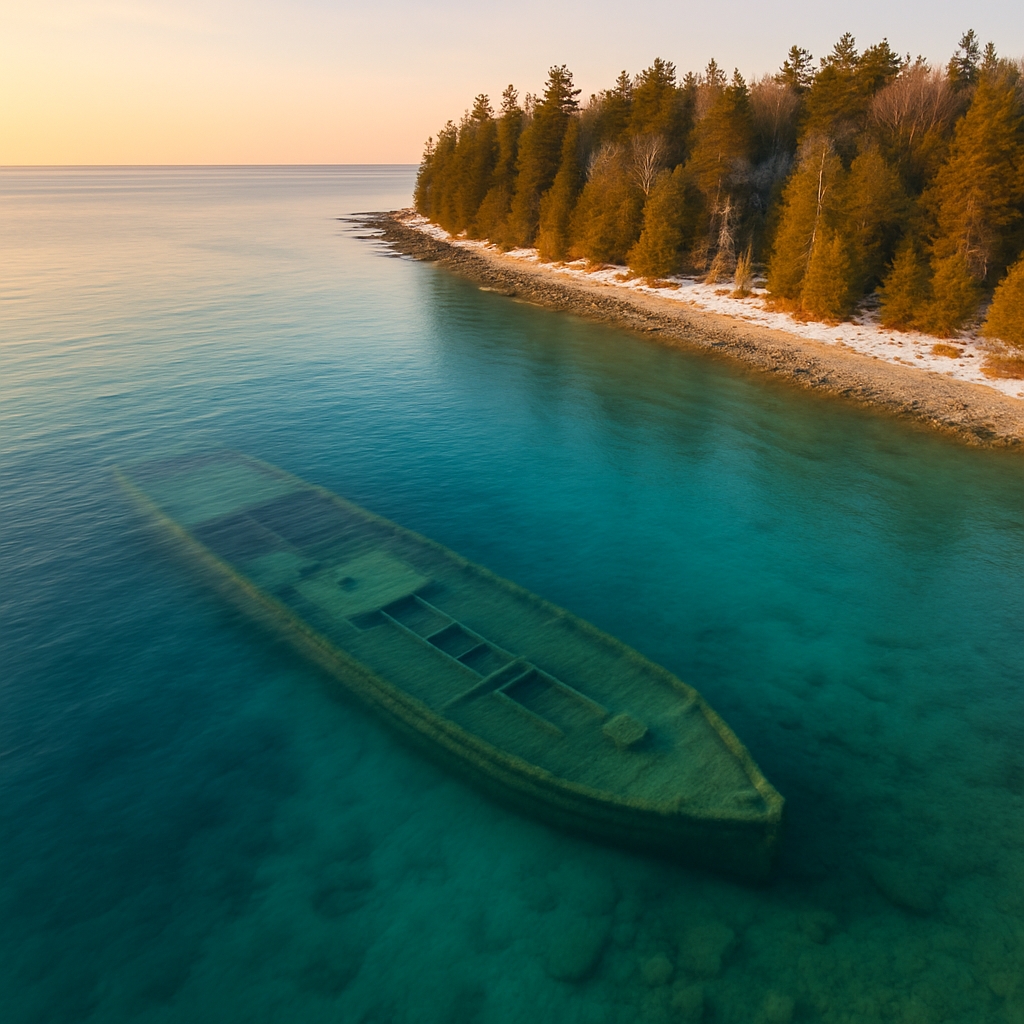
Northern Michigan is home to some of the most captivating and storied shipwrecks in North America. Beneath the waves of Lake Michigan and Lake Huron lies a silent graveyard of schooners, steamships, cargo vessels, and freighters—each one a frozen moment in maritime history. While visitors to The Inn at Stonecliffe on Mackinac Island enjoy sweeping views of these majestic waters during the open season, the stories submerged below the surface offer a haunting glimpse into the region’s rich nautical past.
This blog explores the most famous shipwrecks of Northern Michigan, the causes behind these maritime disasters, and the cultural and ecological efforts to preserve them. Whether you’re a history enthusiast, diving adventurer, or curious traveler, the legacy of Northern Michigan’s shipwrecks offers a journey through time.
Why So Many Shipwrecks in Northern Michigan?
Treacherous Waters of the Great Lakes
The Great Lakes, while often tranquil and inviting, are notoriously dangerous for ships. Sudden storms, dense fog, icy waters, and uncharted shoals have contributed to more than 6,000 shipwrecks across the region, with hundreds occurring in Northern Michigan waters.
Key Contributing Factors:
-
Great Lakes storms: Hurricane-force winds and massive waves are common, especially in November.
-
Navigation hazards: Rocky shoals, sandbars, and narrow straits challenge even experienced captains.
-
Limited technology: 19th and early 20th-century vessels lacked GPS, radar, and accurate weather forecasting.
-
Heavy maritime traffic: The Great Lakes were major shipping routes for coal, iron, lumber, and passengers.
The Most Famous Shipwrecks in Northern Michigan
1. The Lady Elgin (1860)
-
Lake: Lake Michigan
-
Location: Near Waukegan, bound for Milwaukee
-
Loss of Life: Estimated 300
-
Details: One of the worst disasters in Great Lakes history. Struck by a schooner during a storm, the Lady Elgin sank quickly, highlighting the perils of overcrowding and lack of safety measures.
2. SS Carl D. Bradley (1958)
-
Lake: Lake Michigan
-
Location: Near Gull Island
-
Loss of Life: 33 of 35 crew members
-
Details: This self-unloading freighter broke in two during a storm. Its dramatic loss led to maritime safety reforms.
3. SS Cedarville (1965)
-
Lake: Lake Huron
-
Location: Straits of Mackinac
-
Loss of Life: 10
-
Details: Collision with another freighter led to rapid flooding. The wreck remains popular among divers.
4. SS Alpena (1880)
-
Lake: Lake Michigan
-
Location: Off Holland, MI
-
Loss of Life: 80+
-
Details: Caught in a severe storm, the steamer was found capsized with debris washing up along the shore.
5. Le Griffon (1679)
-
Lake: Lake Michigan
-
Location: Disputed – possibly near Beaver Island
-
Details: The first European ship to sail the upper Great Lakes. Its disappearance remains one of Michigan’s greatest maritime mysteries.
Map of Major Shipwreck Sites in Northern Michigan
| Shipwreck Name | Lake | Year | Location (Approx.) | Type |
|---|---|---|---|---|
| Lady Elgin | Michigan | 1860 | Near Waukegan | Passenger Steamer |
| SS Carl D. Bradley | Michigan | 1958 | Near Gull Island | Freighter |
| SS Cedarville | Huron | 1965 | Straits of Mackinac | Limestone Carrier |
| SS Alpena | Michigan | 1880 | Off Holland, MI | Paddle Steamer |
| Le Griffon | Michigan | 1679 | Disputed (Beaver Island?) | Brigantine |
| William Young | Huron | 1891 | Presque Isle | Schooner |
| Northwest | Huron | 1910 | Thunder Bay | Steamer |
What Causes Shipwrecks in the Great Lakes?
Environmental and Human Factors
-
Violent Storms – Sudden and severe storms are common, especially in late fall (e.g., the Great Storm of 1913).
-
Poor Visibility – Heavy fog and snow squalls obscure vision.
-
Navigational Errors – Lack of lighthouses or inaccurate charts.
-
Mechanical Failures – Boiler explosions, rudder malfunctions, and hull breaches.
-
Collisions – Particularly in narrow channels like the Straits of Mackinac.
-
Icing – Ice buildup can destabilize or sink vessels.
Underwater Preserves and Dive Sites in Northern Michigan
Michigan boasts 13 state-designated Underwater Preserves, five of which are located in Northern Michigan and ideal for recreational diving (when in season).
Top Dive Sites:
-
Straits of Mackinac Shipwreck Preserve – Includes SS Cedarville and Eber Ward
-
Thunder Bay National Marine Sanctuary – Over 100 wrecks near Alpena
-
Manitou Passage Preserve – Off Sleeping Bear Dunes, accessible to advanced divers
Features of Dive Sites:
-
Exceptional visibility due to cold, freshwater preservation
-
Wrecks range from shallow (15 ft) to deep technical dives (120 ft+)
-
Some sites include interpretive signage underwater
Preservation and Protection of Michigan Shipwrecks
Legal Protections:
-
Michigan’s Submerged Cultural Resources Act (1980) prohibits removal or disturbance of artifacts
-
Wrecks are protected for future generations
-
Divers must leave all objects in place
Conservation Partnerships:
-
NOAA’s collaboration with Thunder Bay National Marine Sanctuary
-
Great Lakes Shipwreck Historical Society
-
Michigan Department of Natural Resources
FAQs: Northern Michigan Shipwrecks
How many shipwrecks are in Northern Michigan?
There are estimated to be hundreds of shipwrecks in Lake Michigan and Lake Huron combined—many concentrated around the Straits of Mackinac and Thunder Bay.
What is the deadliest shipwreck in Northern Michigan?
The Lady Elgin (1860) remains one of the deadliest with over 300 lives lost.
Can I see shipwrecks without diving?
Yes. Several wrecks are visible from glass-bottom boat tours, or snorkeling in shallow bays. Museums in Alpena and Whitefish Point also display artifacts and replicas.
Are there shipwreck tours in Northern Michigan?
During summer, glass-bottom boat tours are available in Alpena, Mackinaw City, and Munising (for Lake Superior wrecks).
What is the oldest known shipwreck in Michigan?
Le Griffon, built in 1679, is Michigan’s oldest—and still undiscovered, making it a legendary ghost ship.
Famous Storms That Led to Michigan Shipwrecks
The Great Lakes Storm of 1913
-
Over 12 ships lost
-
Winds exceeded 70 mph
-
250+ lives lost
-
Nicknamed “The White Hurricane”
November Gales
-
Many historic shipwrecks occurred during sudden November storms
-
Inspired Gordon Lightfoot’s song about the Edmund Fitzgerald (Lake Superior)
Cultural Significance of Shipwrecks in Michigan
Why These Stories Matter
-
Teach lessons about maritime safety and navigation
-
Preserve a legacy of exploration, commerce, and tragedy
-
Offer a deep connection to Michigan’s identity and natural history
Local Museums to Explore Shipwreck History:
-
Shipwreck Museum at Whitefish Point (Lake Superior)
-
Great Lakes Maritime Heritage Center (Alpena)
-
Michigan Maritime Museum (South Haven)
Conclusion: A Legacy Preserved Beneath the Waves
The shipwrecks of Northern Michigan are more than historical curiosities—they are powerful testaments to the perils and promise of life on the Great Lakes. From the haunting mystery of Le Griffon to the preserved bones of the SS Cedarville, these vessels tell stories of courage, loss, discovery, and endurance.
At The Inn at Stonecliffe, while we close our doors for the winter, we honor the legacy of the Great Lakes with storytelling and reverence for this region’s maritime heritage. When you visit during our open season, we invite you to explore the stories behind the surface—and perhaps take a glass-bottom boat tour or museum visit to connect with the hidden past beneath Michigan’s waters.
The lake may seem still—but its history runs deep.
Read other posts