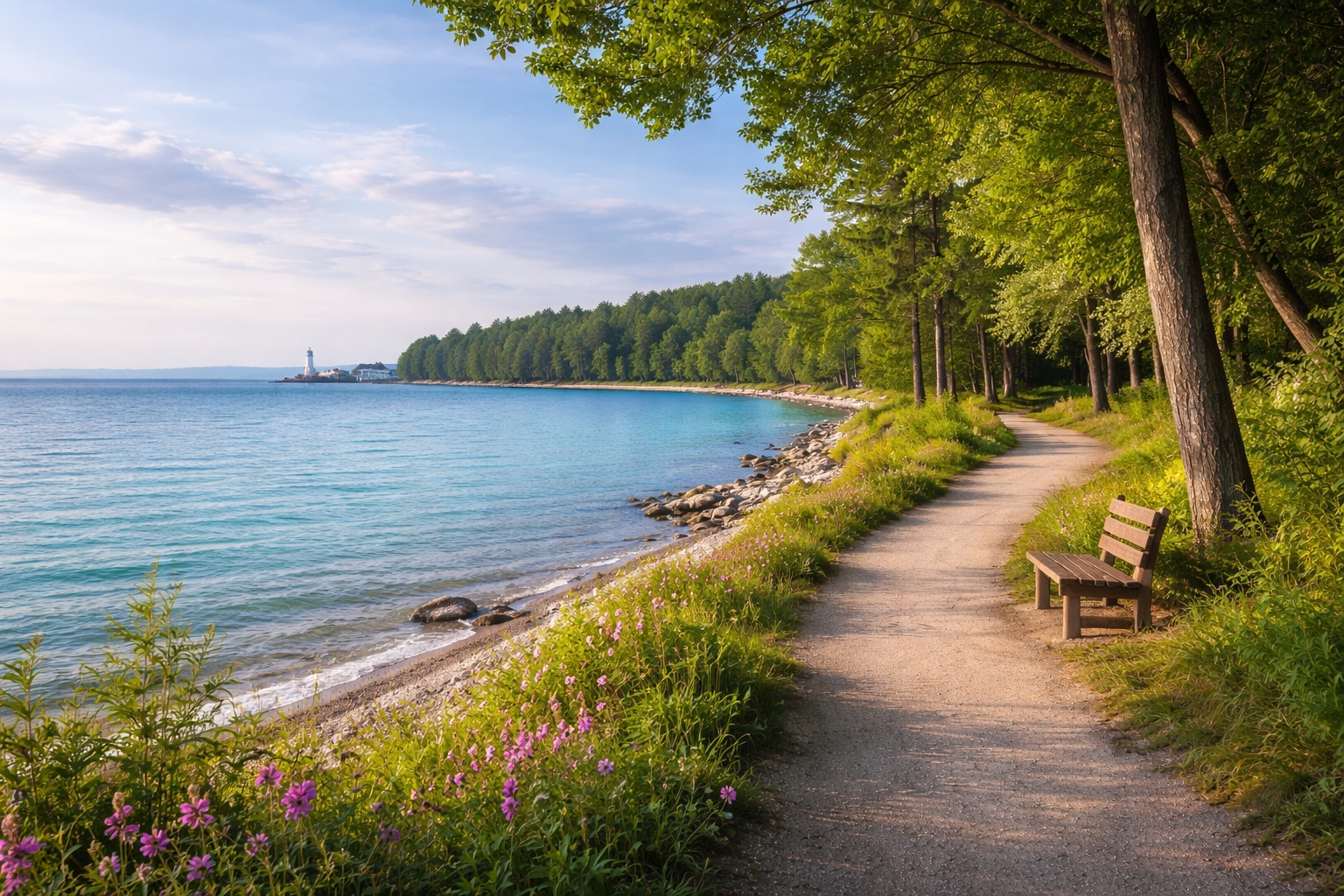
Slow Travel in 2026 – A More Meaningful Way to Explore
Slow travel is an approach to travel that prioritizes depth, presence, and connection over speed and volume. Rather than rushing through destinations, slow travel focuses on staying longer, moving less, and engaging more deeply with a place, its people, and its natural environment. In 2026, slow travel continues to grow as travelers seek more meaningful, restorative experiences that balance sustainability, wellness, and authentic discovery.
At its core, slow travel is about intention. It values quality over quantity, immersion over itineraries, and memory-making over box-checking. For travelers planning ahead for 2026, slow travel offers a way to reconnect with travel as an experience rather than a transaction.
What Is Slow Travel?
Slow travel is a travel philosophy that encourages travelers to spend more time in fewer places, allowing for deeper cultural, environmental, and emotional connections. It emerged as a response to fast-paced tourism, overpacked itineraries, and the burnout that often follows traditional travel.
Key characteristics of slow travel include:
-
Longer stays in one destination
-
Walkable or car-free environments
-
Local dining and regional cuisine
-
Nature-based and cultural experiences
-
Flexible schedules without rigid timelines
Slow travel does not mean doing less. It means experiencing more with intention and awareness.
Slow Travel vs Traditional Tourism
Traditional tourism often prioritizes seeing as much as possible in the shortest amount of time. Slow travel takes the opposite approach.
| Traditional Travel | Slow Travel |
|---|---|
| Multiple destinations | One or two destinations |
| Rigid itineraries | Flexible schedules |
| Tourist attractions | Local experiences |
| Fast transportation | Walking, biking, ferries |
| Short stays | Extended stays |
The result is a more relaxed, immersive, and memorable travel experience.
Why Slow Travel Matters in 2026
Travel trends for 2026 show a continued shift toward intentional travel, wellness-focused vacations, and sustainability. Slow travel aligns naturally with these priorities.
Key reasons slow travel resonates in 2026:
-
Travelers seek meaningful experiences over material ones
-
Increased awareness of sustainable tourism
-
Desire for digital detox and mental restoration
-
Preference for quieter, less crowded destinations
-
Growing interest in regional and domestic travel
Slow travel supports a healthier relationship with travel itself.
Benefits of Slow Travel
Deeper Cultural Connection
Staying longer allows travelers to experience daily rhythms, local traditions, and regional culture in a way short visits cannot.
Reduced Stress and Burnout
Slow travel removes the pressure of constant movement, creating space for rest, reflection, and presence.
More Sustainable Travel
Fewer transportation legs and longer stays reduce environmental impact and support local economies.
Better Value Over Time
Extended stays often provide more value through reduced transportation costs and deeper engagement.
Enhanced Memory Formation
Experiences lived slowly tend to leave stronger, more lasting impressions.
Who Slow Travel Is Best For
Slow travel appeals to a wide range of travelers:
-
Solo travelers focused on self-discovery
-
Remote workers and digital nomads
It is especially well-suited for travelers planning ahead and valuing quality experiences.
Best Slow Travel Destinations in the United States
Ideal slow travel destinations share common traits:
-
Walkable or car-free environments
-
Natural beauty and open space
-
Strong sense of place
-
Quiet atmosphere
-
Seasonal rhythm
Popular slow travel regions include:
-
Coastal and island destinations
-
National park gateways
-
Small towns with preserved heritage
-
Great Lakes and Midwest destinations
Why Islands Are Ideal for Slow Travel
Islands naturally encourage slower movement and intentional exploration. Limited transportation, defined geography, and close-knit communities make islands ideal for immersive travel.
Island slow travel benefits include:
-
Natural pacing
-
Reduced distractions
-
Strong connection to nature
-
Unique local cultures
-
Emphasis on outdoor experiences
Slow Travel on Mackinac Island
Mackinac Island is one of the most distinctive slow travel destinations in the United States. With no cars, a walkable layout, and a strong seasonal rhythm, the island offers an environment perfectly aligned with slow travel principles.
Key slow travel attributes of Mackinac Island:
-
Historic architecture
-
Quiet, immersive atmosphere
Travelers naturally slow down upon arrival.
The Importance of Seasonality
Slow travel thrives in destinations with a defined season. Mackinac Island operates from May through October, aligning perfectly with intentional travel planning.
Seasonal advantages include:
-
Natural pacing of activities
-
Strong connection to weather and environment
-
Local cultural traditions
-
Balanced visitor flow
Winter travel is not recommended, reinforcing the importance of seasonal awareness.
How to Plan a Slow Travel Trip for 2026
Step 1 – Choose One Destination
Select a place that offers variety without requiring frequent movement.
Step 2 – Plan for Longer Stays
Aim for stays of five nights or longer to allow immersion.
Step 3 – Leave Space in Your Schedule
Avoid overplanning. Allow days to unfold naturally.
Step 4 – Choose Accommodations That Support Slow Travel
Look for residential-style lodging, full kitchens, and comfortable living spaces.
Step 5 – Engage Locally
Walk, bike, explore nature, and connect with the community.
The Role of Accommodations in Slow Travel
Where you stay shapes how you experience a destination. Slow travel benefits from accommodations that feel like a home base rather than a place to sleep.
Ideal slow travel accommodations offer:
-
Spacious layouts
-
Comfortable living areas
-
Full kitchens or kitchenettes
-
Views and outdoor access
-
Quiet, restorative atmosphere
Residential-Style Hotels and Slow Travel
Residential-style hotels support longer stays and deeper immersion. They allow travelers to settle in, cook locally sourced meals, and establish a rhythm.
These accommodations bridge the gap between hotels and private residences.
Explore the residential style cottages at The Inn at Stonecliffe HERE
Why The Inn at Stonecliffe Aligns With Slow Travel
Located on Mackinac Island’s West Bluff, The Inn at Stonecliffe naturally supports slow travel through its setting, layout, and atmosphere.
Key alignments include:
-
Elevated, quiet location away from downtown crowds
-
Walkable access to nature and island trails
-
Residential-style accommodations
-
Focus on relaxation and immersion
-
Seasonal operation aligned with intentional travel
The experience emphasizes presence, not pace.
Slow Travel Experiences on Mackinac Island
Examples of slow travel experiences include:
-
Morning walks along the shoreline
-
Cycling the perimeter at an unhurried pace
-
Reading and relaxing with lake views
-
Exploring historic sites gradually
-
Enjoying long meals without schedules
These experiences encourage mindfulness and connection.
Slow Travel and Wellness
Slow travel supports both mental and physical wellness by reducing stress and increasing time outdoors.
Wellness benefits include:
-
Improved sleep
-
Reduced anxiety
-
Increased physical activity through walking and biking
-
Mental clarity through reduced stimulation
It aligns with holistic well-being.
Slow Travel for Families
Families benefit from slow travel through:
-
Shared experiences
-
Learning through exploration
-
Reduced travel fatigue
-
Flexible routines
Children often engage more deeply when travel is unhurried.
Slow Travel and Sustainability
Slow travel supports sustainable tourism by:
-
Reducing transportation emissions
-
Supporting local businesses
-
Encouraging responsible exploration
-
Preserving cultural and natural resources
It benefits both travelers and destinations.
Common Misconceptions About Slow Travel
Slow travel is not:
-
Boring
-
Inactive
-
Unstructured
-
Limited to long-term travelers
It is adaptable and accessible to many travel styles.
How Long Should a Slow Travel Trip Be?
While there is no strict rule, most slow travel experiences benefit from:
-
Minimum of five nights
-
One primary location
-
Flexible daily structure
Longer stays deepen the experience.
Planning Slow Travel for May Through October
The best slow travel experiences align with natural seasons. For Mackinac Island, May through October offers:
-
Mild to warm weather
-
Active local culture
-
Outdoor accessibility
-
Full range of services
Seasonal planning enhances the experience.
Slow Travel in the Midwest
The Midwest offers underrated slow travel opportunities with:
-
Natural landscapes
-
Lower crowds
-
Authentic communities
-
Accessible domestic travel
Mackinac Island stands out as a premier example.
Slow Travel as a Mindset
More than an itinerary, slow travel is a mindset. It invites travelers to be present, curious, and open.
This approach often changes how people travel long after the trip ends.
Why Slow Travel Continues to Grow
Slow travel continues to grow because it meets modern needs:
-
Balance
-
Meaning
-
Sustainability
-
Connection
It is not a trend but a lasting shift.
Final Thoughts on Slow Travel in 2026
Slow travel offers a way to reclaim travel as an experience that restores rather than exhausts. For travelers planning ahead for 2026, choosing destinations and accommodations that support this philosophy leads to deeper, more rewarding journeys.
Mackinac Island, with its car-free environment and seasonal rhythm, offers one of the most natural slow travel settings in the United States.
Plan a 2026 slow travel experience that allows time to settle in, explore at your own pace, and reconnect with the joy of travel by learning more about staying at The Inn at Stonecliffe on Mackinac Island:
https://www.theinnatstonecliffe.com