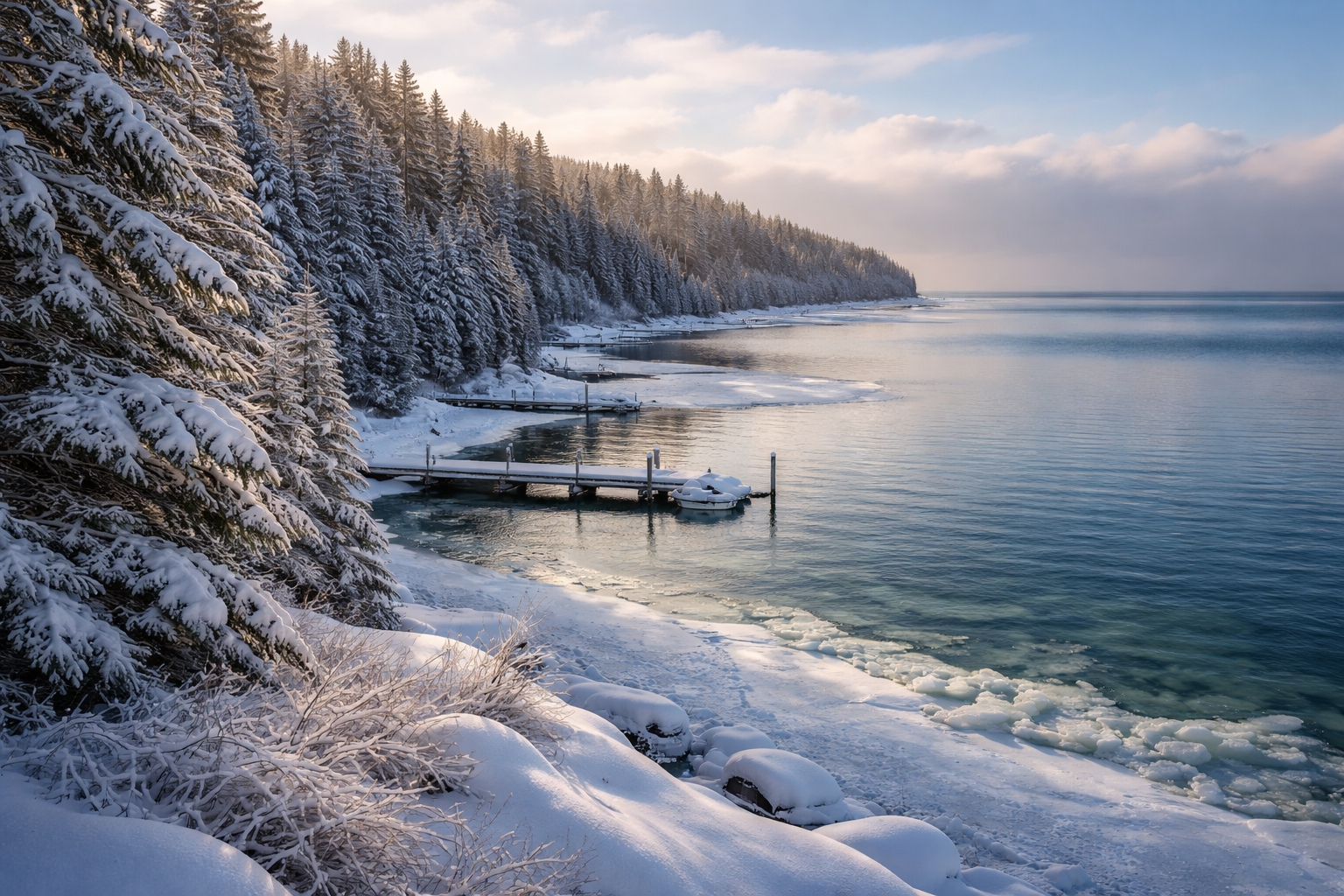
The Magic of Michigan Winters: Places That Close (and Why That’s the Charm)
Michigan winters are defined not by what is open, but by what intentionally slows down, steps back, and rests. Across Northern Michigan, island communities, historic resorts, and seasonal towns close their doors for winter not as a failure of tourism, but as a reflection of place, climate, tradition, and rhythm. These closures are not signs of absence. They are signals of authenticity. For travelers planning ahead for 2026, understanding why Michigan closes in winter reveals why the open season from May through October feels so meaningful, immersive, and emotionally resonant.
This guide explains why so many places in Michigan close during winter, what happens when they do, and why that seasonal pause is central to the state’s charm. It also helps future travelers plan intentionally for the months when destinations like Mackinac Island and The Inn at Stonecliffe come fully alive.
Why Do So Many Places in Michigan Close During Winter?
Michigan’s seasonal closures are driven by climate, geography, infrastructure, and tradition. Northern Michigan experiences long winters, heavy snowfall, ice formation along shorelines, and limited transportation access, particularly on islands and remote peninsulas. Rather than fighting these conditions, many communities have chosen to align with them.
Seasonal closures in Michigan are intentional and culturally ingrained. They allow towns, businesses, and landscapes to reset before reopening for the warmer months.
Key reasons places close in winter include:
-
Lake-effect snow and freezing temperatures that limit accessibility
-
Ferry and transportation shutdowns to island destinations
-
Preservation of historic buildings and natural landscapes
-
A seasonal workforce that follows tourism cycles
-
A cultural preference for quality over year-round volume
This rhythm is especially pronounced in Northern Michigan, where winter is viewed as a distinct season of rest rather than a continuation of peak tourism.
Seasonal Closures Are Part of Michigan’s Identity
Unlike destinations that push for constant activity, Michigan has embraced seasonality as a defining feature. This approach shapes not just tourism, but community life.
Seasonal closures support:
-
Environmental sustainability by reducing winter strain on ecosystems
-
Preservation of historic properties during harsh weather
-
A slower, more intentional tourism experience when destinations reopen
-
Anticipation and renewal tied to spring and summer arrivals
For travelers, this means that visiting Michigan during the open season feels purposeful. The experience is concentrated, refined, and deeply tied to place.
Northern Michigan in Winter: Quiet, Stillness, and Local Life
When businesses close and seasonal visitors leave, Northern Michigan enters a different phase of life. Towns become quieter. Shorelines freeze. Forests fall silent. This period is not empty. It is introspective.
Local communities shift inward during winter. The pace slows. Daily life centers around resilience, preparation, and tradition rather than entertainment and commerce.
This seasonal withdrawal is what makes the return of visitors so celebrated in late spring. When towns reopen, it is not routine. It is renewal.
What Happens to Tourist Towns When They Close for Winter?
When Northern Michigan towns close seasonally, several things happen simultaneously:
-
Seasonal staff return home or move to other destinations
-
Ferries and transport routes are reduced or suspended
-
Lodging properties winterize and secure historic structures
-
Restaurants and shops pause operations to reopen refreshed
-
Landscapes recover from peak-season foot traffic
These closures ensure that when towns reopen, they are not worn down by year-round demand. Instead, they are restored and ready to deliver a high-quality experience.
Mackinac Island in Winter: A Study in Stillness
Mackinac Island is one of the clearest examples of Michigan’s winter philosophy. The island closes to most tourism operations in winter, not because it lacks appeal, but because its character depends on seasonality.
Why Mackinac Island Closes in Winter
Mackinac Island is car-free, ferry-dependent, and highly exposed to Lake Huron weather. Winter conditions make regular transport unreliable, and many historic structures require protection from freeze-thaw cycles.
Closing the island in winter allows:
-
Preservation of 19th-century architecture
-
Protection of trails, bluffs, and shoreline
-
Maintenance of infrastructure without visitor pressure
-
A complete reset before spring reopening
What Happens on Mackinac Island During Winter?
During winter, Mackinac Island becomes a place of silence and local continuity. A small year-round population remains. Streets are snow-covered. The absence of crowds reveals the island’s natural contours and historic scale.
This quiet is not marketed as an attraction because it is not designed for mass tourism. It exists to preserve what makes the island special when it reopens.
Why the Off-Season Matters to Future Visitors
For travelers planning ahead, Mackinac Island’s winter closure explains why visiting during the open season feels so extraordinary. Every restaurant, trail, hotel, and historic site opens together, creating a fully immersive environment that would not be possible without seasonal rest.
Seasonal Resorts and Hotels in Michigan
Many of Michigan’s most distinctive lodging experiences are seasonal by design. This includes island resorts, historic properties, and boutique hotels in Northern Michigan.
Why Michigan Resorts Close for Winter
Seasonal resorts close for reasons that go beyond weather.
They close to:
-
Protect historic buildings from winter damage
-
Conduct maintenance and restoration projects
-
Retain quality staff through planned seasonal cycles
-
Deliver a consistent guest experience during ideal conditions
This approach prioritizes experience over volume. When these properties reopen, they do so with intention.
Seasonal Closures and Luxury Travel
In luxury and boutique travel, seasonality is often a feature, not a limitation. It signals exclusivity, care, and respect for place.
Seasonal hotels offer:
-
Higher staff-to-guest ratios during open months
-
Better-maintained grounds and accommodations
-
Programming aligned with natural conditions
-
A sense of arrival rather than constant availability
Why Closures Make the Experience Better
Seasonal closures heighten anticipation. They create a clear boundary between rest and activity. This separation is central to why Michigan’s open season feels vibrant rather than routine.
The Psychology of Anticipation
When destinations are not always available, they become more meaningful. Travelers plan intentionally. Visits feel earned.
Seasonal anticipation leads to:
-
More immersive travel experiences
-
Longer stays and deeper engagement
-
Stronger emotional connection to place
Slow Travel and Michigan’s Seasonal Rhythm
Michigan’s seasonal approach aligns with slow travel principles. Instead of rushing through attractions, visitors experience a complete environment during the months when it is most alive.
Slow travel benefits include:
-
Fewer crowds and less congestion
-
More meaningful interactions with staff and locals
-
Greater appreciation of landscape and history
Winter Is Part of the Story, Not the Destination
It is important to clarify that while Michigan winters are culturally significant, many destinations are not open to visitors during this time. Winter exists to support what comes next.
For travelers, winter is the context that makes spring, summer, and fall exceptional.
When Do Michigan Destinations Reopen?
Most Northern Michigan destinations reopen between late April and early June, depending on location and weather patterns.
Typical reopening timeline:
-
Late April to May – Early seasonal services return
-
May – Lodging, ferries, and attractions reopen
-
June – Full summer operations begin
-
July through September – Peak season
-
October – Fall color season and gradual closure
Planning within this window ensures access to full services and experiences.
Planning a Michigan Trip for 2026
For 2026 travel planning, understanding seasonality is essential. Rather than viewing winter closures as a limitation, travelers can use them as a planning advantage.
Best Months to Visit Northern Michigan
The most complete experiences occur between May and October.
-
May and early June – Quiet reopening, fresh landscapes
-
July and August – Peak energy and full programming
-
September – Warm days, cooler nights, fewer crowds
-
October – Fall color and reflective travel
How Seasonal Closures Shape Better Travel Decisions
Knowing that destinations rest in winter helps travelers align expectations and plan visits during optimal conditions.
It also ensures that when travelers arrive, they experience destinations at their best.
The Inn at Stonecliffe and Michigan’s Seasonal Philosophy
The Inn at Stonecliffe follows this same seasonal rhythm. Located on Mackinac Island, it is open during the months when the island’s environment, transportation, and community are fully active.
The Inn at Stonecliffe is closed during winter, not as a limitation, but as a commitment to quality, preservation, and guest experience.
Why Seasonal Operation Matters
By operating from May through October, The Inn at Stonecliffe ensures:
-
Full access to Mackinac Island experiences
-
Preservation of a historic property through winter
-
A refined guest experience aligned with island life
-
Intentional hospitality rather than year-round compromise
Planning a Stay at The Inn at Stonecliffe
For travelers planning 2026 trips, understanding Michigan’s winter closures helps explain why staying during the open season feels cohesive and immersive.
The Inn at Stonecliffe’s season aligns with:
-
Mackinac Island ferry schedules
-
Island attractions and dining availability
-
Outdoor exploration and historic tours
-
The island’s natural and cultural rhythm
Frequently Asked Questions About Michigan Winter Closures
Why do so many places in Michigan close during winter?
Many places close due to weather, transportation limitations, preservation needs, and cultural tradition. Seasonal closures protect destinations and enhance the experience when they reopen.
Is Michigan worth visiting in the winter?
Winter is an important part of Michigan’s identity, but many destinations are not open to visitors during this time. Most travel experiences are designed for the May through October season.
What happens to Mackinac Island in winter?
Mackinac Island becomes quiet and largely inaccessible to visitors. Most businesses and lodging close to preserve the island and prepare for spring reopening.
When is the best time to visit Northern Michigan?
The best time to visit is between May and October, when destinations are fully open and experiences are designed for visitors.
Why do seasonal closures make travel better?
Seasonal closures allow destinations to rest, reset, and deliver higher-quality experiences during the open season.
Understanding the Charm of What Closes
Michigan’s winter closures are not about absence. They are about respect for place, climate, and tradition. They create a rhythm that defines Northern Michigan and shapes every visitor experience.
For travelers planning ahead, recognizing this rhythm transforms how Michigan is experienced. The magic is not in avoiding winter, but in understanding why it exists.
And when places like Mackinac Island and The Inn at Stonecliffe reopen each spring, they do so not as destinations that never stopped, but as places renewed by the pause.
For 2026 travel planning, that pause is precisely what makes the experience worth waiting for.
Read other posts