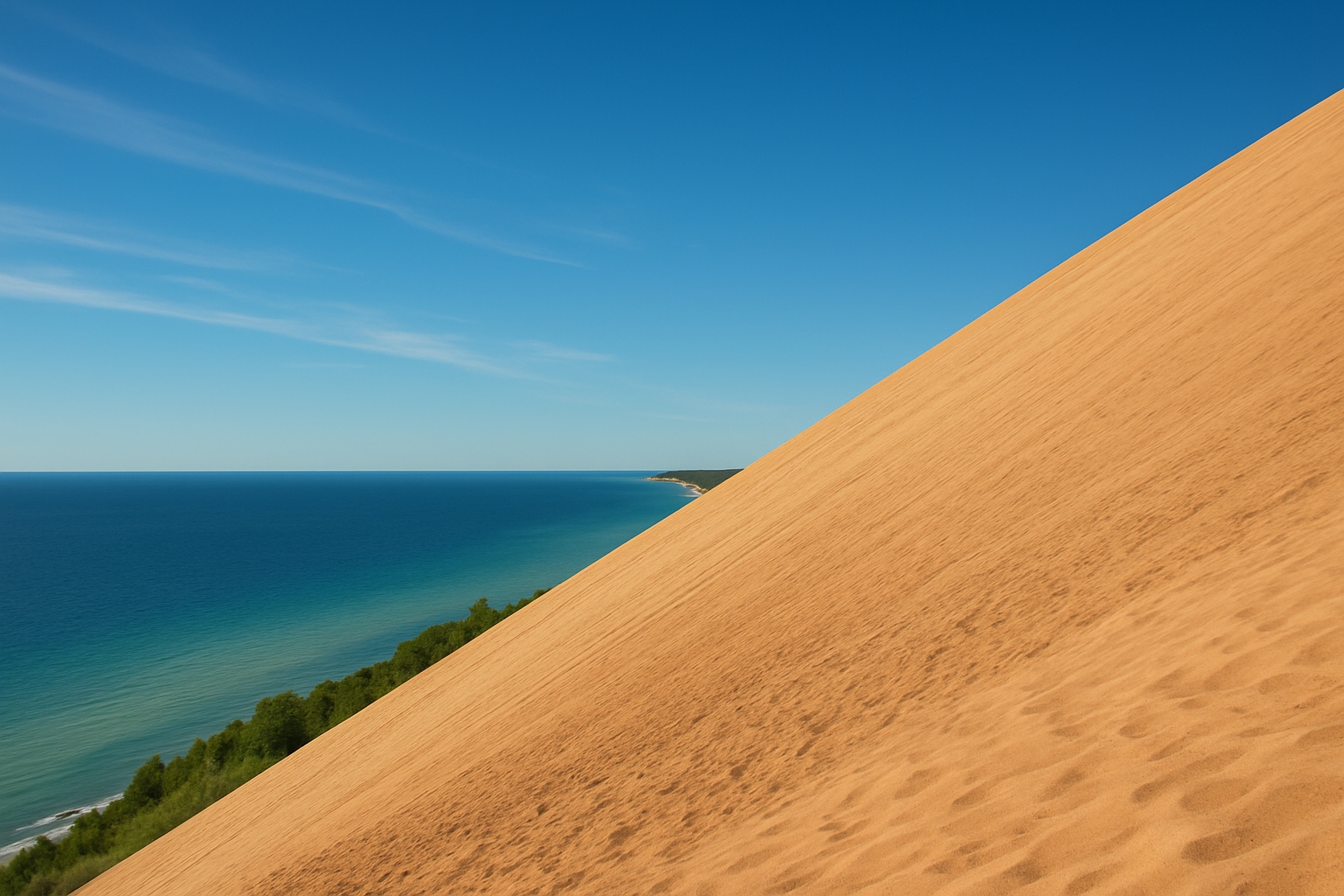
The Singing Sands of the Sleeping Bear Dunes
Discover Michigan’s Mysterious Booming Beaches and Nature’s Hidden Soundtrack
Nestled along the spectacular shoreline of Lake Michigan, the Sleeping Bear Dunes National Lakeshore is home to one of nature’s rarest and most fascinating acoustic phenomena — singing sand. While its breathtaking views and massive dune climbs draw thousands of visitors each summer, few know that certain slopes within the park literally sing, boom, or roar when you move across them.
At places like Esch Road Beach and a handful of secret dune faces, the sand produces sounds loud enough to be heard from hundreds of feet away. It’s not a myth — it’s a scientific, geological, and sonic marvel. The sound is created when dry, rounded quartz grains vibrate against one another, producing a hum, squeak, or even a jet engine–like roar that can reach over 100 decibels.
In this guide, you’ll learn:
-
What causes the singing sands to make sound
-
Where to find booming dunes in Sleeping Bear
-
The rare geological conditions required
-
How this phenomenon compares to others around the world
-
Tips for hearing it yourself during a spring, summer, or fall trip
-
Why a stay at The Inn at Stonecliffe makes the perfect launchpad for this bucket-list experience
What Are Singing Sands?
Singing sands are sand dunes or beaches where the grains emit sound when disturbed — either by walking, sliding, or even wind movement. The acoustic effects vary from:
-
Low-frequency booming
-
High-pitched squeaking or humming
-
Whispers or groans depending on grain size and dryness
This occurs only under very specific geological and environmental conditions.
Requirements for Singing Sand:
-
Dry sand — Moisture kills the vibration
-
Well-rounded grains — Usually quartz or silica
-
Uniform grain size — For consistent vibration
-
Sufficient depth — Shallow layers do not resonate
-
Steep slope or rapid movement — Activates resonance
-
Clean surface — No organic debris or dust to interrupt vibration
Only a few dozen places on Earth have these conditions, and Sleeping Bear Dunes is among the loudest and most accessible.
Where to Hear Singing Sand in Sleeping Bear Dunes
While the National Lakeshore includes over 60 miles of shoreline, only a few specific spots consistently produce the singing or booming sand effect.
1. Esch Road Beach
-
Location: Near Otter Creek, off M-22
-
Sound Profile: Booming and roaring when sliding down dry dunes
-
Access: Small parking lot, short walk to the beach
-
Best Conditions: Late summer when the sand is dry, in the afternoon heat
2. Secret Dune Slopes Near Empire Bluffs
-
Location: Between Empire and Sleeping Bear Point
-
Sound Profile: Mid-pitched hum and squeaks
-
Access: Off-trail hiking required — not official NPS paths
-
Pro Tip: Look for steep, dry faces with no vegetation
3. Platte River Mouth (Occasional)
-
Sound Profile: Subtle squeaking in dry dune ripples
-
Best After: Prolonged dry spells in late summer
What Causes the Sound? The Science Behind Singing Sands
When you walk, slide, or fall down a steep dry dune, you create shear movement among the sand grains. This movement causes the grains — especially if they are silica-rich and rounded — to rub together in rapid succession.
Vibrational Resonance
The sound results from stick-slip friction and resonance that:
-
Amplifies within the dune
-
Transmits through the air as audible sound
-
Behaves like a loudspeaker when a whole section slides
The frequency and volume of the sound depend on:
-
Grain shape
-
Temperature
-
Humidity
-
Slope angle
-
Depth of moving layer
How Loud Can It Get?
| Sound Source | Decibel Level (dB) |
|---|---|
| Normal conversation | 60 dB |
| Hair dryer | 80 dB |
| Singing sand at Sleeping Bear | 90–104 dB |
| Chainsaw | 110 dB |
| Jet engine (close range) | 120–140 dB |
Sleeping Bear Dunes may reach over 100 dB, particularly when large sections of sand slide in unison — which is why some visitors describe it as a "distant thunder" or "low-flying aircraft."
How Does Sleeping Bear Dunes Compare to Other Singing Sand Sites?
| Location | Country | Volume | Sound Type | Accessibility |
|---|---|---|---|---|
| Sleeping Bear Dunes | USA (Michigan) | Very High | Booming/Roaring | Easy |
| Badain Jaran Desert | China | Very High | Deep booming | Remote/4x4 access |
| Porth Oer (Whistling Sands) | Wales | Medium | High-pitched squeak | Beach access |
| Sand Mountain | Nevada, USA | High | Thunder-like | Moderate hike |
| Mar de Dunas | Chile | Low | Soft humming | Remote/desert access |
| Barking Sands, Kauai | Hawaii, USA | Low | Dog-like barks | Limited access (military) |
Best Time to Visit the Singing Sands
To hear the singing sand at its loudest and most distinct, conditions matter. Here's when to go:
| Season | Pros | Cons |
|---|---|---|
| May–June | Early summer dryness, fewer crowds | Slightly cooler temps |
| July–August | Warmest and driest conditions | More crowds |
| September–October | Crisp fall air, dry sand, better hiking | Slightly less heat for activation |
Avoid early spring or post-rainfall visits, as the sand must be extremely dry to produce audible sounds.
The Inn at Stonecliffe is open from May through October, making this the perfect window to combine a Lake Michigan island escape with a singing sand day trip.
FAQs About Singing Sands at Sleeping Bear Dunes
What causes the sand to sing or boom?
Singing sand is caused by quartz grains vibrating together due to friction during movement, especially on steep, dry dune slopes.
Where is the best place to hear singing sand in Michigan?
Esch Road Beach within the Sleeping Bear Dunes National Lakeshore is considered the best and most accessible spot.
How loud is the sand?
The sound can reach 90 to 104 decibels, comparable to a lawn mower or even a small jet engine from a distance.
Is it real or a myth?
It’s very real — singing sands have been studied scientifically and measured acoustically.
Can I slide down the dunes myself?
Yes, but only in designated areas. Respect National Park Service signage and avoid damaging dune vegetation.
Does it work when the sand is wet?
No. Moisture interrupts the friction and prevents sound. The sand must be dry and clean.
How to Experience the Singing Sands Yourself
-
Choose a dry, sunny day – Late summer and fall afternoons work best
-
Visit Esch Road Beach – Arrive early to secure parking
-
Find a steep, dry dune slope – Look for loose, exposed dunes
-
Slide down quickly – The more momentum, the louder the effect
-
Listen carefully – Some sounds are more felt than heard at first
-
Repeat in different spots – Not all sand sings equally
Bring water, wear hiking shoes, and pack out everything you bring in to help preserve this rare natural wonder.
Why Does Sleeping Bear Dunes Have Singing Sand?
Michigan’s glaciers created the perfect recipe:
-
Quartz-rich sand deposited by retreating glaciers
-
Natural sorting by wind and water over thousands of years
-
Large dune faces for slide-induced resonance
-
Minimal pollution and organic debris to preserve grain purity
This makes Sleeping Bear one of the most acoustically active dunes in the world — rivaling the much larger deserts of China and South America.
A Day Trip from The Inn at Stonecliffe
Guests staying at The Inn at Stonecliffe on Mackinac Island can plan an unforgettable side trip to Sleeping Bear Dunes:
Sample Day Trip Itinerary (Mid-June to September)
-
Morning: Ferry to Mackinaw City
-
Drive southwest via US-31 – Scenic route through Charlevoix, Traverse City
-
Afternoon: Hike Sleeping Bear Dunes, experience singing sand
-
Evening: Return to Traverse City for dinner and overnight
-
Next day: Return to Mackinaw City and ferry back to Mackinac Island
The round-trip drive is about 4.5 hours, making it ideal for a 1-night mini-adventure during a longer stay on Mackinac.
Final Thoughts: Nature’s Hidden Symphony in the Dunes
The singing sands of Sleeping Bear Dunes are a mesmerizing mix of science, mystery, and sensory delight. Few experiences combine physical fun, natural wonder, and acoustic curiosity quite like sliding down a giant sand dune and hearing it roar beneath you.
Whether you're a nature enthusiast, photographer, geologist, or simply someone seeking something different, this experience belongs on your Midwest travel bucket list.
Plan Your Stay with The Inn at Stonecliffe
As you explore the wonders of Michigan’s Upper Peninsula and Lake Michigan’s coastline, consider booking your spring, summer, or fall stay at The Inn at Stonecliffe:
-
Historic bluff-top estate with island views
-
Car-free tranquility on Mackinac Island
-
Direct ferry access to mainland adventures
-
Ideal for couples, families, and solo travelers seeking natural wonder
Your journey to nature’s rarest sounds begins with the comfort of Michigan’s most enchanting retreat.
Book your seasonal stay (May–October) today and listen for the dunes to sing.
Read other posts