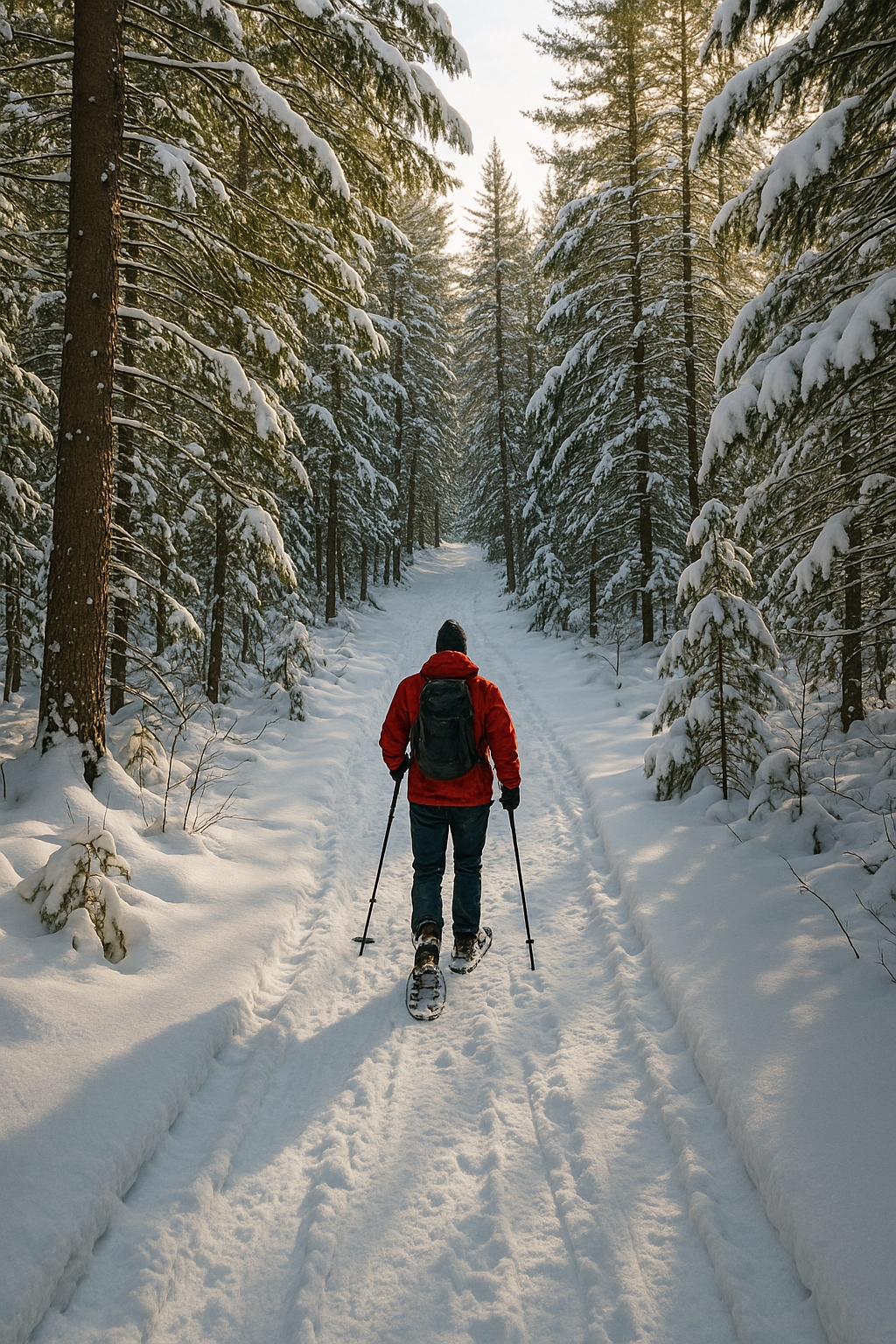
The Ultimate Guide to Winter Hiking in Northern Michigan
Northern Michigan transforms into a snow-covered wonderland each winter, offering outdoor enthusiasts a serene and invigorating landscape for exploration. This comprehensive guide is your one-stop resource for discovering the best winter hiking trails in Northern Michigan, what to expect on the trail, safety tips, what gear you need, and how to plan your trip effectively.
Note: The Inn at Stonecliffe is closed during winter months and does not offer lodging or activities until spring reopening. This guide is purely informational for outdoor adventurers planning winter excursions in the region.
Why Go Winter Hiking in Northern Michigan?
Northern Michigan's unique geography makes it ideal for winter hiking. From the towering dunes of Lake Michigan to frozen waterfalls and dense evergreen forests, the region offers:
-
Low foot traffic for quiet exploration
-
Photogenic snow-covered landscapes
-
Frozen lake vistas and ice caves
-
Excellent snowpack for snowshoeing and cross-country hiking
-
Wildlife tracking opportunities in fresh snow
Benefits of Winter Hiking in Michigan
-
Physical health: Burn calories and build endurance.
-
Mental clarity: Experience peaceful solitude and reduced stress.
-
Natural beauty: Unique access to areas not as scenic in warmer seasons.
Top Winter Hiking Trails in Northern Michigan
Explore top-rated winter hiking locations categorized by region. Trail difficulty and features are included for easy comparison.
Best Trails in the Upper Peninsula
1. Tahquamenon Falls State Park (Paradise, MI)
-
Highlights: Frozen waterfalls, river trails
-
Difficulty: Easy to moderate
-
Popular Trails: River Trail, Lower Falls Loop
-
Access: Open year-round with plowed parking lots
2. Porcupine Mountains Wilderness State Park
-
Highlights: Remote forests, Lake Superior views
-
Difficulty: Moderate to difficult
-
Recommended Routes: Escarpment Trail, Lake of the Clouds Overlook
3. Pictured Rocks National Lakeshore
-
Highlights: Ice formations, cliffside views
-
Access Tips: Some areas require snowshoes or ice cleats
Best Trails in the Lower Peninsula
4. Sleeping Bear Dunes National Lakeshore (Empire, MI)
-
Highlights: Dune climbs, Lake Michigan overlook
-
Trail Suggestion: Empire Bluff Trail (sunset views)
-
Note: Be cautious on icy dunes
5. Jordan River Pathway (East Jordan, MI)
-
Highlights: Winter waterfalls, dense forests
-
Difficulty: Moderate loop
-
Trailhead: Deadman’s Hill Scenic Overlook
6. North Country Trail (segments across MI)
-
Highlights: 1,150+ miles in Michigan alone
-
Choose segments near Manistee National Forest or Mackinaw State Forest for winter solitude
Essential Winter Hiking Gear for Northern Michigan Trails
Pack the right gear for safety and enjoyment. Here's what to bring:
Clothing Checklist (Layering System)
-
Base Layer: Moisture-wicking thermal shirt and leggings
-
Mid Layer: Fleece or wool insulated jacket
-
Outer Layer: Waterproof and windproof shell
-
Accessories:
-
Insulated gloves or mittens
-
Wool hat or balaclava
-
Neck gaiter or scarf
-
Thermal socks (carry extra pair)
-
Equipment Checklist
-
Waterproof hiking boots or insulated snow boots
-
Microspikes or crampons for icy paths
-
Snowshoes (if deep snow expected)
-
Hiking poles with snow baskets
-
Daypack with:
-
Water bottle (insulated or with thermal wrap)
-
High-calorie snacks
-
Map and compass or GPS app
-
Emergency blanket
-
Headlamp (sun sets early in winter)
-
First aid kit
-
Planning Your Winter Hiking Trip
Best Time to Hike in Winter
-
Early Winter (Late Nov–Dec): Less snow, some trails muddy or icy
-
Mid-Winter (Jan–Feb): Deep snow, ideal for snowshoeing
-
Late Winter (Mar): Longer daylight, melting snow may cause trail slush
Trail Safety Tips
-
Check weather and avalanche warnings
-
Let someone know your route and ETA
-
Stay on marked trails
-
Start early to avoid hiking in darkness
-
Avoid hiking alone unless experienced
Scenic Highlights for Winter Hikers
| Location | Highlight | Photography Rating | Snow Depth (avg.) |
|---|---|---|---|
| Tahquamenon Falls | Frozen waterfalls | 10/10 | High |
| Empire Bluff Trail | Sunset over Lake Michigan | 9/10 | Moderate |
| Pictured Rocks | Ice cliffs and caves | 10/10 | High |
| Porcupine Mountains | Wilderness solitude | 8/10 | High |
Winter Wildlife & Nature Experiences
Winter hikes offer a rare opportunity to:
-
Spot fresh animal tracks (deer, foxes, snowshoe hare)
-
Hear woodpeckers and owls in quiet forests
-
Discover frozen waterfalls and ice caves
-
Observe rime ice forming on trees and rocks
Where to Stay Near Winter Hiking Trails
While The Inn at Stonecliffe is closed in winter, consider these regions with winter lodging near trailheads:
-
Traverse City: Great base for Sleeping Bear Dunes
-
Paradise, MI: Near Tahquamenon Falls
-
Munising: Access to Pictured Rocks
-
East Jordan: Near Jordan River Pathway
-
Copper Harbor: For Porcupine Mountains exploration
Choose cabins, winter lodges, or pet-friendly rentals with amenities for cold weather (fireplaces, hot tubs, heated floors).
Sample Itinerary: 3-Day Winter Hiking Adventure in Northern Michigan
Day 1: Arrive in Traverse City
-
Check into winter-friendly lodge
-
Short sunset hike at Empire Bluff Trail
-
Dinner in downtown Traverse City
Day 2: Sleeping Bear Dunes to Jordan River Pathway
-
Early morning dune hike
-
Drive to East Jordan (1.5 hrs)
-
Hike Jordan River Pathway loop
Day 3: Drive North to Tahquamenon Falls
-
Depart early for Paradise (approx. 4.5 hrs)
-
Explore Upper and Lower Falls in winter
-
Return or stay overnight in local B&B
Frequently Asked Questions (FAQ)
Is winter hiking safe in Northern Michigan?
Yes, if you are prepared with proper clothing, gear, and trail knowledge. Avoid venturing onto frozen lakes unless marked safe.
Do I need snowshoes for every trail?
Not always. Many trails are packed down by previous hikers, but snowshoes are helpful after recent snowfall or off-trail exploration.
What’s the best month for snowshoeing?
January and February offer peak snow depth and colder temperatures ideal for snowshoeing.
Are dogs allowed on trails?
Yes, many Northern Michigan trails are pet-friendly. Keep dogs leashed and protect their paws from snow and ice.
Final Thoughts: Embrace the Silence of Snow
Winter hiking in Northern Michigan is a soul-filling adventure. Whether you're exploring frozen waterfalls, hiking beneath snow-laden pines, or watching a sunset over a frozen lake, you'll discover a side of Michigan few experience.
And while The Inn at Stonecliffe remains closed in winter, we invite you to explore these snowy paths and return to us in the spring for lakeside hikes, garden walks, and luxury lodging on Mackinac Island.
Until then, happy trails and safe travels.
Read other posts