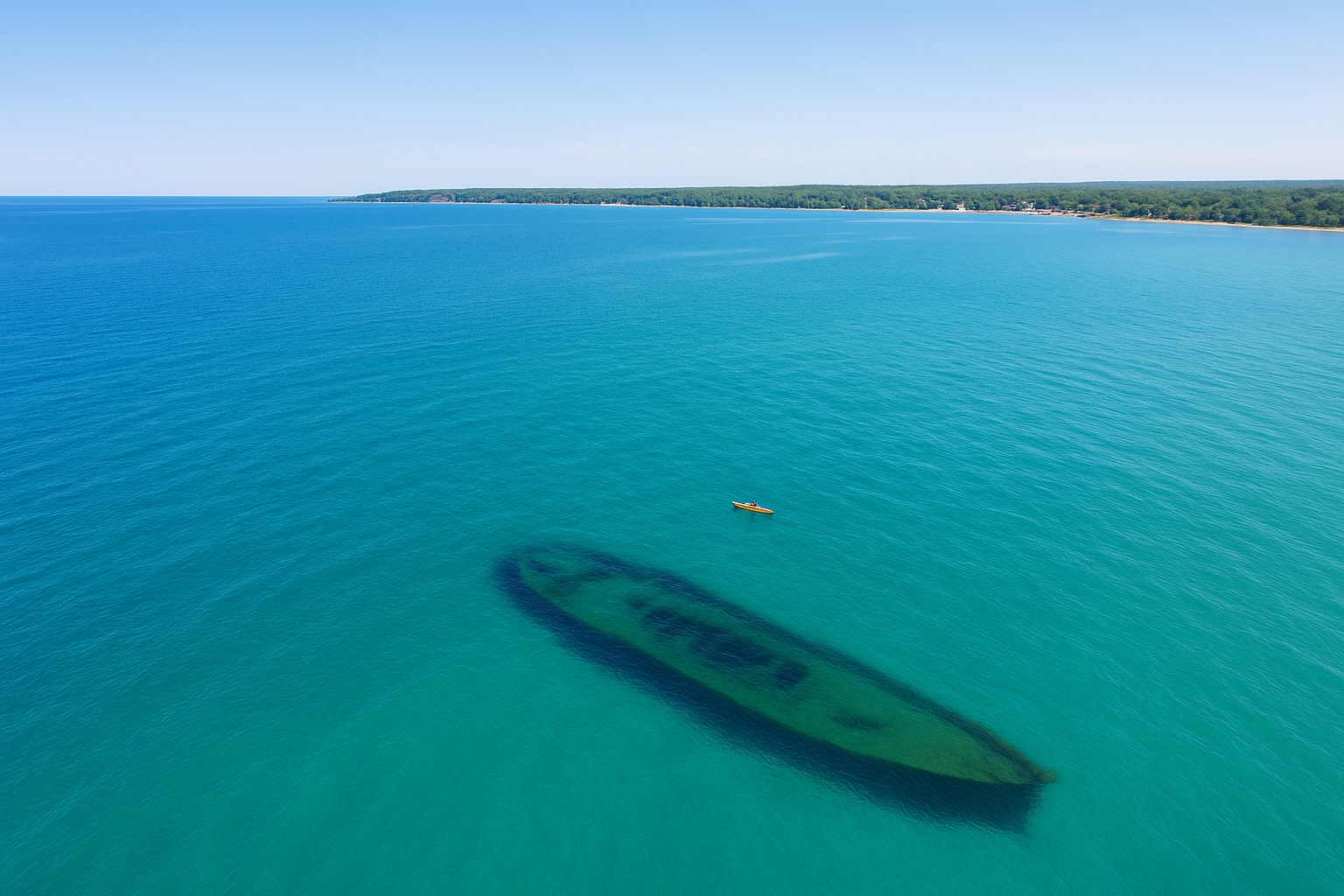
Thunder Bay: The Graveyard of Lake Huron’s 200+ Ghost Ships
Introduction: Discover the Underwater Graveyard of the Great Lakes
Beneath the serene surface of Lake Huron lies one of the most haunting and historically rich destinations in North America – Thunder Bay National Marine Sanctuary. Located off the shores of Alpena, Michigan, this vast underwater preserve is home to more than 200 remarkably intact shipwrecks. From 19th-century schooners to 20th-century steamers, Thunder Bay is often called the "Graveyard of the Great Lakes" for good reason. Whether you’re a maritime history enthusiast, a recreational diver, or simply intrigued by eerie tales of ghost ships, this hidden sanctuary offers a captivating glimpse into the past.
The Inn at Stonecliffe on Mackinac Island provides a perfect base for your Great Lakes adventure. While the shipwrecks themselves are located farther south in Alpena, our historic inn serves as a tranquil starting or ending point for warm-weather explorations between May and October.
The Thunder Bay National Marine Sanctuary: An Overview
What is Thunder Bay National Marine Sanctuary?
Established in 2000 and spanning over 4,300 square miles, the Thunder Bay National Marine Sanctuary is one of the most expansive freshwater sanctuaries in the world. Managed by NOAA (National Oceanic and Atmospheric Administration), the sanctuary aims to protect and preserve one of the largest concentrations of freshwater shipwrecks on Earth.
Why Thunder Bay Is Called the Shipwreck Graveyard
The combination of treacherous weather, heavy maritime traffic, and unpredictable lake conditions made Thunder Bay one of the most dangerous areas for shipping in the 19th and early 20th centuries. Hundreds of vessels met their end here, and many of them remain stunningly preserved due to Lake Huron’s cold freshwater environment.
Key Facts:
-
Over 200 shipwrecks discovered and mapped
-
Many wrecks located in shallow waters (ideal for kayaking and snorkeling)
-
Part of the Great Lakes Maritime Heritage Trail
-
Accessible via glass-bottom boat tours, scuba diving, and paddling
-
Home to the Great Lakes Maritime Heritage Center in Alpena
Why Thunder Bay’s Shipwrecks Are So Well Preserved
Freshwater environments offer a rare preservation condition for wood and iron. Unlike saltwater, which rapidly corrodes metal and attracts wood-boring organisms, Lake Huron’s cold freshwater helps keep wrecks nearly frozen in time.
Contributing Preservation Factors:
-
Cold water temperatures that inhibit decay
-
Lack of salt – preventing rapid corrosion
-
Limited disturbance due to sanctuary protection
-
Shallow wrecks accessible but protected by natural sediment coverage
These factors have resulted in shipwrecks that still boast original masts, rigging, and cargo – making Thunder Bay a living museum beneath the waves.
Shipwreck Highlights: Famous Vessels in Thunder Bay
1. SS Pewabic (Sunk 1865)
-
Iron-hulled passenger steamer
-
Sank after a collision with her sister ship
-
Over 100 lives lost
-
Lies in deep water but is a historical focal point
2. Portland (Schooner, Sunk 1877)
-
Lies in just 40 feet of water
-
Visible from glass-bottom boats and snorkeling tours
3. Monohansett (Steam barge, Sunk 1907)
-
Known for a fiery wreck and remains visible from kayaks
4. Grecia (Steel freighter, Sunk 1905)
-
Great example of early 20th-century cargo ships
-
Accessible to divers of all skill levels
| Shipwreck Name | Year Sunk | Vessel Type | Depth | Best Seen By |
|---|---|---|---|---|
| SS Pewabic | 1865 | Iron Steamer | 180+ feet | Technical Diving Only |
| Portland | 1877 | Schooner | 40 feet | Snorkeling, Glass Boat |
| Monohansett | 1907 | Steam Barge | 18 feet | Kayaking, Paddleboard |
| Grecia | 1905 | Steel Freighter | 100 feet | Intermediate Divers |
How to See the Shipwrecks Without Diving
You don’t need to be a certified diver to witness the haunting beauty of Thunder Bay’s shipwrecks.
Best Options for Non-Divers:
-
Glass-Bottom Boat Tours: Depart from Alpena and offer views of multiple shallow wrecks
-
Kayak Tours: Paddle directly over schooners and steamers resting beneath the surface
-
Snorkeling Adventures: Especially great for families and beginners
-
Thunder Bay Shipwreck Trail: Interpretive land and water sites with historical context
Equipment Rentals Available in Alpena:
-
Kayaks and paddleboards
-
Snorkel gear
-
Dry suits and guided snorkeling packages
The Best Time to Visit Thunder Bay Shipwrecks
The best months to explore Thunder Bay are May through October, when Lake Huron is at its most inviting.
Seasonal Access Table:
| Month | Average Water Temp | Accessibility | Best Activities |
| May | 45°F – 52°F | Kayaking, Museum | Glass-bottom tours begin |
| June – August | 55°F – 68°F | Snorkeling, Diving | Peak visibility |
| September | 60°F – 64°F | Kayaking, Diving | Fewer crowds |
| October | 50°F – 58°F | Hiking, Museum | Foliage and history combo |
Note: The Inn at Stonecliffe is open seasonally from May through October – making it a perfect bookend to your Thunder Bay journey.
The Great Lakes Maritime Heritage Center: Start Your Journey
Before heading to the water, visit the Great Lakes Maritime Heritage Center in Alpena for immersive exhibits on shipping, storms, and maritime archaeology.
Highlights:
-
Full-scale replica of a Great Lakes schooner
-
3D underwater shipwreck displays
-
Interactive underwater ROV simulators
-
Educational programming for families and kids
Entry is free and a great indoor option before or after your aquatic adventures.
Combine Your Shipwreck Adventure with Mackinac Island Charm
The Inn at Stonecliffe: Historic Tranquility Overlooking Lake Huron
While Thunder Bay is the centerpiece of Michigan’s shipwreck lore, Mackinac Island offers a complementary contrast – above-water beauty, historic serenity, and timeless elegance. Located just across Lake Huron from Alpena, the Inn at Stonecliffe sits nestled on the quieter side of Mackinac Island and serves as a peaceful home base for your Great Lakes getaway.
Why Choose The Inn at Stonecliffe:
-
Sweeping views of Lake Huron and the Mackinac Bridge
-
Elegant suites and historic mansion setting
-
Seasonal outdoor pool and on-property dining
-
Easy ferry access to the mainland
Plan your trip to start or end at Stonecliffe, exploring Alpena’s shipwreck coast during the day and returning to Mackinac Island’s charm by evening.
FAQs: Thunder Bay Shipwreck Travel Questions Answered
How many shipwrecks are in Thunder Bay National Marine Sanctuary?
Over 200 documented shipwrecks exist within the sanctuary’s protected waters.
Can you kayak over shipwrecks in Thunder Bay?
Yes. Many wrecks lie in shallow water just offshore and are ideal for kayaking with transparent-bottom kayaks or guided tours.
Do I need to scuba dive to see the shipwrecks?
No. You can view many shipwrecks via glass-bottom boats, kayaks, or snorkeling tours.
What city is closest to Thunder Bay shipwrecks?
Alpena, Michigan serves as the main access point to Thunder Bay National Marine Sanctuary.
Is it safe to swim or snorkel over shipwrecks?
Yes – with proper gear and guidance. Many tour operators provide wetsuits, flotation devices, and instructors.
Can I visit Thunder Bay in winter?
Most activities are seasonal. May through October is the best time to visit. The Inn at Stonecliffe is closed in winter but welcomes guests during the warmer months.
Plan Your Shipwreck & Island Escape
Suggested Itinerary: 5-Day Great Lakes History Getaway
Day 1: Arrive at The Inn at Stonecliffe – Sunset cocktails and views of the bridge
Day 2: Explore Mackinac Island – Bike the perimeter, visit Fort Mackinac
Day 3: Ferry to mainland, drive to Alpena – Check into local lodge
Day 4: Thunder Bay Adventures – Kayak or glass-bottom boat tour + Museum visit
Day 5: Return to Mackinac or extend stay for scenic drives down the Sunrise Coast
Final Thoughts: Where History Rests Beneath the Surface
The Thunder Bay National Marine Sanctuary is more than a diving destination – it’s a portal into the past. With each shipwreck telling a silent story of ambition, tragedy, and innovation, there’s no better place to connect with the Great Lakes’ maritime legacy. Whether you’re drifting above schooners on a kayak or walking through the historic corridors of The Inn at Stonecliffe, your journey through Northern Michigan will be equal parts haunting and beautiful.
Book your spring, summer, or fall stay at The Inn at Stonecliffe and set course for a story worth telling.
Read other posts