What Was the Coldest Day Ever Recorded in Michigan?
Introduction: Michigan’s Deep Freeze Legacy
Michigan, known for its scenic Great Lakes and vibrant summers, also holds a notorious record in weather history. While winter travel to Mackinac Island and The Inn at Stonecliffe pauses each year due to seasonal closures, the story of Michigan’s coldest day remains a captivating tale of meteorological extremes. Understanding this record-setting event not only fascinates climate enthusiasts and history buffs but also informs modern conversations around climate variability, survival conditions, and state pride.
In this blog, we’ll uncover the details surrounding the coldest day ever recorded in Michigan, including:
-
The exact date and location of the record low temperature
-
Historical weather patterns leading to this Arctic plunge
-
Comparative data across other Michigan towns
-
How Michigan stacks up to other U.S. states in extreme cold
-
Related FAQs about Michigan’s winter climate extremes
What Is the Coldest Temperature Ever Recorded in Michigan?
Date, Location, and Official Temperature
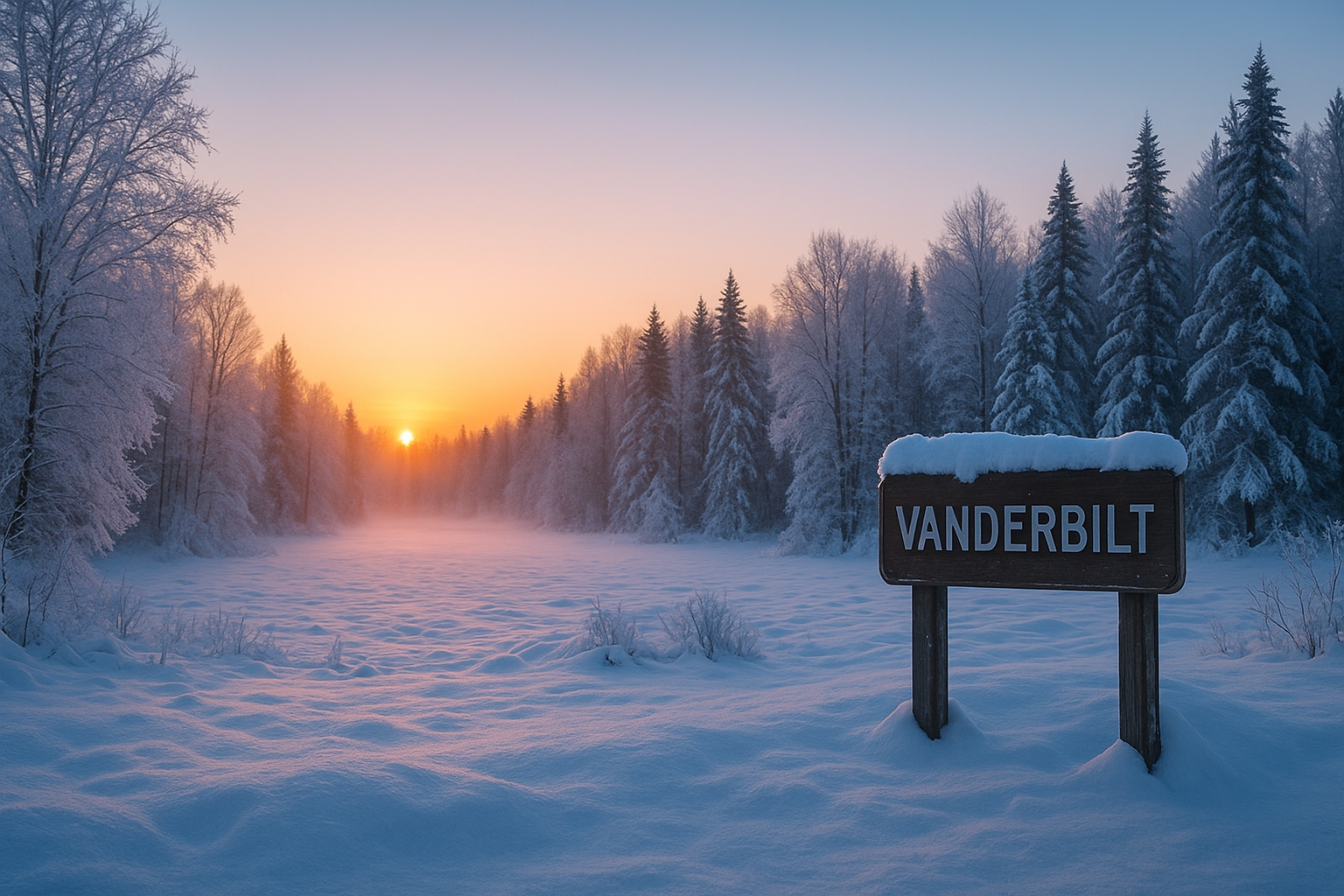
The coldest day ever recorded in Michigan occurred on February 9, 1934, in the small town of Vanderbilt, located in Otsego County, Northern Michigan.
-
Official Recorded Temperature: −51°F (−46.1°C)
-
Location: Vanderbilt, Michigan
-
Date: February 9, 1934
-
Source: National Weather Service (NWS), NOAA historical data
This temperature reading stands as the lowest ever officially recorded in Michigan’s climate history and remains unbeaten nearly a century later.
Why Vanderbilt, Michigan?
Geographic and Atmospheric Conditions
Vanderbilt’s record-setting chill can be attributed to a confluence of environmental factors:
-
Elevation: At approximately 1,020 feet above sea level, Vanderbilt sits in a cold air drainage zone
-
Topography: Surrounded by forested lowlands that trap cold Arctic air
-
Proximity to snow-covered terrain: Snow cover reflects heat and intensifies radiative cooling at night
-
Clear skies and calm winds: Ideal conditions for maximum overnight heat loss
These features created the perfect setup for temperatures to plummet to dangerous lows in the winter of 1934.
Historical Weather Context of 1934
The Great Arctic Outbreak of the 1930s
The early 1930s featured a series of extreme temperature anomalies across the U.S. The 1934 deep freeze was part of a wider Arctic outbreak that swept across the Midwest and Northeastern United States.
-
Dust Bowl years: While associated with drought, the early '30s also saw wild temperature swings
-
Jet stream patterns: A southward dip of the polar jet stream pulled Arctic air deep into the Great Lakes
Other Cold Records Across Michigan
While Vanderbilt holds the state record, many Michigan towns have experienced subzero extremes. Here are some notable examples:
| Location | Date | Temperature (°F) |
|---|---|---|
| Stambaugh | Feb 1934 | −51°F (Unofficial tie) |
| Bergland Dam | Jan 1982 | −47°F |
| Pellston | Feb 1979 | −45°F |
| Newberry | Feb 1934 | −43°F |
| Gaylord | Feb 1994 | −40°F |
Note: Some readings are unofficial due to lack of certified weather station documentation.
How Michigan Compares to Other States
Coldest Recorded Temperatures by State
Here’s a comparison of record low temperatures across select U.S. states:
| State | Coldest Temperature | Location | Date |
| Alaska | −80°F | Prospect Creek | Jan 23, 1971 |
| North Dakota | −60°F | Parshall | Feb 15, 1936 |
| Minnesota | −60°F | Tower | Feb 2, 1996 |
| Wisconsin | −55°F | Couderay | Feb 2/4, 1996 |
| Michigan | −51°F | Vanderbilt | Feb 9, 1934 |
While Michigan doesn’t claim the coldest U.S. record, it ranks among the top 10 coldest states by record low.
What Conditions Cause Extreme Cold in Michigan?
Key Meteorological Factors
-
Polar vortex incursions
-
High-pressure systems allowing for radiational cooling
-
Snowpack intensity increasing heat loss
-
Inversions that trap cold air near surface levels
These elements combine with geography to make Northern Michigan susceptible to dramatic winter chills.
Frequently Asked Questions About Michigan’s Coldest Day
When was the coldest day in Michigan?
The coldest day ever recorded in Michigan was February 9, 1934.
How cold did it get?
The temperature dropped to −51°F in Vanderbilt, Otsego County.
Has Michigan ever reached −50°F?
Yes, at least once officially and potentially a second time in Stambaugh (also −51°F, but not certified).
Is Michigan one of the coldest states?
While not the coldest, Michigan ranks in the top tier for extreme cold records, especially in the Upper Peninsula and Northern Lower Peninsula.
What’s the average winter temperature in Northern Michigan?
-
December–February average: Ranges from 10°F to 25°F depending on location.
Climate Takeaways and Modern Implications
Are Cold Records Still Being Broken?
Extreme cold records are increasingly rare due to:
-
Urbanization and heat islands
-
Climate change trends increasing average winter lows
-
Improved forecasting reducing unpreparedness
Yet, isolated deep freezes still occur, and understanding past records helps communities prepare for future anomalies.
Conclusion: The Legacy of −51°F in Vanderbilt
The story of Michigan’s coldest day is more than just a number. It’s a snapshot of atmospheric precision, regional topography, and human endurance. At The Inn at Stonecliffe, while we close each winter season in anticipation of warmer days ahead, the memory of this historic cold remains a reminder of nature’s profound extremes.
If you're planning a visit to Mackinac Island during our open season, we invite you to enjoy the stunning contrast — from historical winters to breathtaking summer views — that defines Northern Michigan's unique charm.
Read other posts