Who Were the First People to Reach Northern Michigan?
Introduction: Tracing the Ancient Footsteps of Northern Michigan's Earliest Inhabitants
Northern Michigan, known today for its pristine lakes, lush forests, and charming islands like Mackinac, has a much deeper story to tell. Long before tourism and modern history books, this region was home to diverse indigenous civilizations. From ancient Paleo-Indians to the complex societies of the Anishinaabe peoples, the story of human arrival and settlement in this northern frontier is one of migration, adaptation, and cultural resilience.
In this long-form blog, we dive into the archaeological records, oral histories, and tribal traditions to answer a core question: Who were the first people to reach Northern Michigan?
The Paleo-Indians: Michigan's First Known Inhabitants
When Did Humans First Arrive in Michigan?
The earliest confirmed human presence in Michigan dates back approximately 10,000 to 13,000 years ago, during the Late Pleistocene Epoch, right after the last Ice Age. As the glaciers receded, they carved out the Great Lakes and opened new lands for human migration.
Characteristics of Paleo-Indian Life
-
Nomadic hunters following large Ice Age mammals like mastodons and caribou
-
Use of Clovis-style spear points and flint tools
-
Lived in small bands and moved seasonally across the landscape
Key Archaeological Sites in Michigan
-
Norton Mound Group (near Grand Rapids)
-
Caribou Kill Site at the Alpena-Amberley Ridge
-
Belle River site in St. Clair County
These early sites suggest that Northern Michigan was part of a vast migratory route through the Great Lakes basin.
Archaic Cultures: Adaptation and Regional Settlement (8000 – 1000 BCE)
The Shift from Big Game to Seasonal Living
After the extinction of Ice Age megafauna, indigenous peoples adapted to changing environments:
-
Focused on fishing, small game hunting, and gathering nuts, seeds, and berries
-
Developed ground stone tools, atlatls, and dugout canoes
-
Settlements often found near rivers, lakes, and wetlands in what is now Northern Lower Michigan and the Upper Peninsula
Cultural Highlights
-
Emergence of Glacial Kame Culture and Laurentian Archaic Traditions
-
Use of copper from the Keweenaw Peninsula to create tools and ornaments
Woodland Period: The Rise of Ceremonial and Tribal Societies (1000 BCE – 1600 CE)
Technological and Cultural Innovation
This era saw dramatic shifts in technology, society, and belief systems:
-
Introduction of pottery (early ceramic vessels like Marion Thick and Vinette)
-
Use of burial mounds for ceremonial purposes
-
Development of trade networks stretching across North America
Notable Cultures in Michigan
-
Hopewell Culture: Known for elaborate burial mounds and artifacts
-
Late Woodland Societies: More sedentary, with defined tribal identities emerging
Significance to Northern Michigan
-
Evidence of long-term camps and mound building near Cheboygan, Petoskey, and Sault Ste. Marie
-
Seasonal migration between inland forest zones and Lake Michigan shorelines
The Anishinaabe Migration: Ojibwa, Odawa, and Potawatomi Arrival
Who Are the Anishinaabe?
The term Anishinaabe refers to a group of culturally related tribes, including:
-
Ojibwa (Chippewa)
-
Odawa (Ottawa)
-
Potawatomi
Together, they are known as the Three Fires Confederacy.
Migration Story and Sacred Instructions
Oral traditions tell of a prophetic migration from the Atlantic coast to the Great Lakes, guided by visions of a land where "food grows on water" – a reference to wild rice.
-
The journey followed the St. Lawrence River into the Upper Great Lakes
-
Sacred stops along the way included Niagara Falls, Detroit River, and Mackinac Island
-
Final settlements were near Lake Superior, Lake Michigan, and Lake Huron
Establishing Roots in Northern Michigan
-
Odawa settled around the Little Traverse Bay and Cheboygan areas
-
Ojibwa established seasonal villages near the Straits of Mackinac
-
Potawatomi were more prominent in southern Michigan, but traveled north for trade and council
Mackinac Island: A Crossroads of Trade and Tribal Culture
Why Was Mackinac Island Important?
Mackinac Island served as a spiritual, political, and trade center:
-
Location at the confluence of Lake Michigan and Lake Huron
-
Safe harbor and sacred site for the Anishinaabe
-
Used for councils, seasonal gatherings, and inter-tribal trade
Cultural Legacy
-
Believed to be where the world was created in Anishinaabe oral history
-
Still revered today during powwows and spiritual pilgrimages
Comparison Table: Key Cultural Periods in Northern Michigan
| Period | Timeframe | Key Peoples | Tools/Technology | Region Impacted |
|---|---|---|---|---|
| Paleo-Indian | 13,000 – 8000 BCE | Nomadic hunters | Flint spear points | Migrated through Northern Michigan |
| Archaic | 8000 – 1000 BCE | Regional bands | Copper tools, canoes | Lake shores, rivers |
| Woodland | 1000 BCE – 1600 CE | Hopewell, Late Woodland | Pottery, mound-building | Inland forests, coasts |
| Anishinaabe Migration | 900 CE – 1600s | Ojibwa, Odawa, Potawatomi | Birchbark canoes, wild rice cultivation | Settled in Northern Michigan |
Indigenous Language, Spirituality, and Place Names
Many towns, rivers, and natural features in Northern Michigan retain names derived from Anishinaabemowin (Ojibwa language), such as:
-
Cheboygan – "through passage"
-
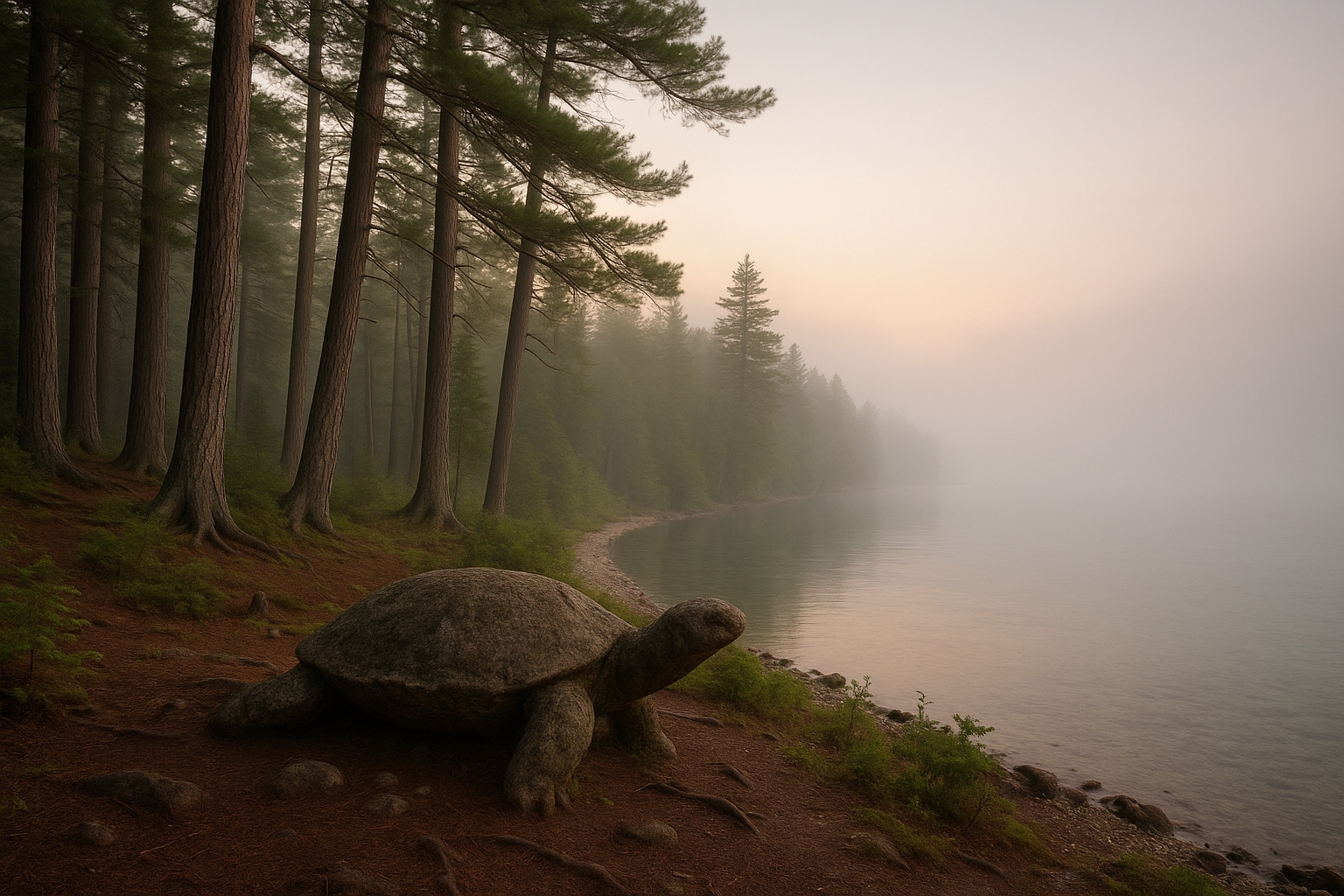
Mackinac – from "Michilimackinac" meaning "Great Turtle"
-
Petoskey – named after Chief Ignatius Petosega
Spiritual Concepts
-
Manitou – spirit or life force in all living things
-
Midewiwin – Grand Medicine Society preserving ceremonial knowledge
-
Sacred geography – hills, islands, and water routes linked to creation stories
Trade, Conflict, and Early European Contact
Pre-Colonial Trade Networks
The indigenous peoples of Northern Michigan participated in vast trade systems:
-
Copper from Lake Superior
-
Obsidian from the Rocky Mountains
-
Shells from the Gulf Coast
-
Tobacco, furs, and ceremonial pipes
Contact with Europeans
-
First contact occurred in the 17th century with French Jesuits and fur traders
-
Anishinaabe tribes acted as middlemen in the fur trade with the French
-
New alliances and conflicts emerged as European settlement increased
Preserving Indigenous History in Modern-Day Northern Michigan
Museums and Heritage Centers
-
Mackinac Island State Park
-
Museum of Ojibwa Culture in St. Ignace
-
Ziibiwing Cultural Center in Mt. Pleasant
Cultural Events (May – October)
-
Anishinaabe cultural presentations and storytelling
-
Tribal artisan markets and canoe launches
-
Powwows and drum circles (often in Petoskey, Sault Ste. Marie, or Mackinac area)
Supporting Indigenous Sovereignty
-
Visit tribal businesses and cultural sites
-
Learn through land acknowledgment and oral history archives
Plan Your Visit: Explore Indigenous Roots with The Inn at Stonecliffe
Why The Inn at Stonecliffe is the Ideal Home Base
Set atop the West Bluff of Mackinac Island, The Inn at Stonecliffe offers guests a tranquil, luxurious retreat just minutes from cultural heritage sites. From May through October, you can explore:
-
Indigenous interpretive trails and exhibits
-
Mackinac Island State Park's archaeology programs
-
Nearby cultural destinations in St. Ignace and the mainland
Suggested Itinerary
Day 1
-
Check in to your Mansion or Summer House Suite
-
Explore Mackinac Island history at Fort Mackinac
-
Dinner at The Straits Restaurant with views of the lake
Day 2
-
Morning hike with views of the Straits of Mackinac
-
Visit Museum of Ojibwa Culture in St. Ignace (via ferry)
-
Attend a storytelling session or cultural workshop
Day 3
-
Guided kayak or bike tour highlighting tribal landmarks
-
Relax at the pool or on the Straits Lawn
-
Stargaze with ancestral constellations in mind
Frequently Asked Questions (FAQs)
When did the first people arrive in Michigan?
The earliest confirmed human presence dates back over 13,000 years, as glaciers receded at the end of the last Ice Age.
What indigenous tribes lived in Northern Michigan first?
The Anishinaabe peoples – Ojibwa, Odawa, and Potawatomi – were the primary indigenous groups in the region before European arrival.
What is the significance of Mackinac Island to native tribes?
Mackinac Island is considered sacred in Anishinaabe cosmology, a spiritual place of creation, gathering, and tribal council.
Can I visit indigenous heritage sites on Mackinac Island?
Yes. From May through October, visitors can access cultural exhibits, attend events, and engage with the island's rich indigenous history.
Final Thoughts: Honoring the First Peoples of Northern Michigan
Understanding who first reached Northern Michigan is more than historical trivia – it's a gateway to appreciating the deep cultural legacy, spiritual richness, and resilient traditions that continue to shape the region. As you explore the scenic beauty of Mackinac Island, remember the ancient footsteps that walked here first.
Let your next stay at The Inn at Stonecliffe be a journey through both time and nature – where every sunrise over the Straits carries the echoes of those who came before.
Plan your cultural escape to Mackinac Island today. The Inn at Stonecliffe welcomes guests from May to October.
Read other posts