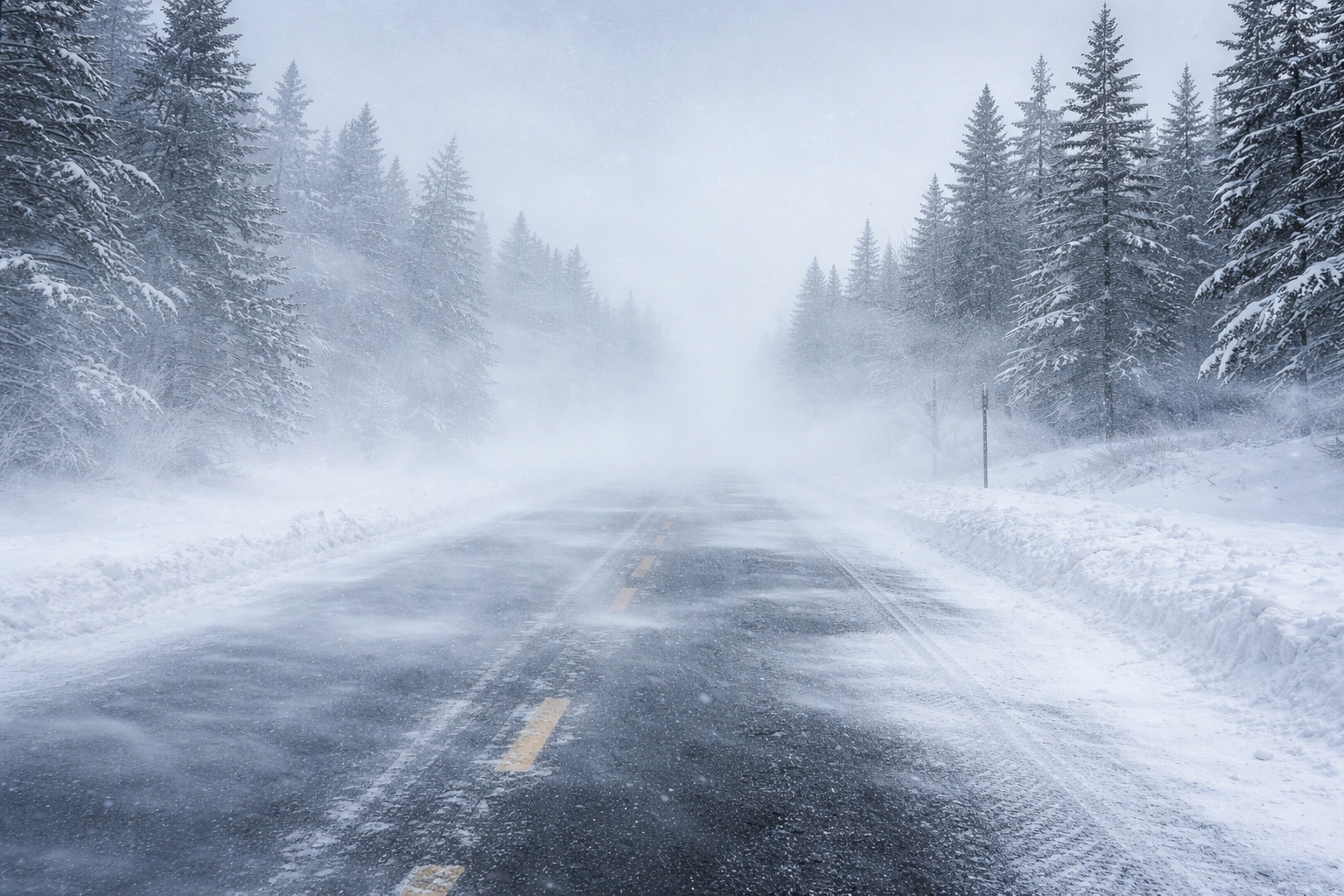
Blizzard in Michigan – What It Means, Why It Happens, and How to Plan Around It
A blizzard in Michigan is not simply heavy snowfall. It is a specific and dangerous winter weather event defined by extreme wind, low visibility, and sustained whiteout conditions that can last for hours or even days. Michigan’s unique geography, surrounded by the Great Lakes and positioned in the path of Arctic air masses, makes it one of the most blizzard-prone states in the Midwest. Understanding what qualifies as a blizzard, when they occur, and how they shape travel and seasonal planning is essential for anyone researching Michigan weather patterns or planning future travel.
This guide explains what a blizzard in Michigan really means, how often they happen, the most significant blizzards in state history, and how travelers and residents plan around them, especially when looking ahead to future travel seasons.
What Is a Blizzard in Michigan
A blizzard in Michigan is defined by the National Weather Service using strict criteria that focus on visibility and wind rather than snowfall totals alone.
To officially qualify as a blizzard, the following conditions must be met:
-
Sustained winds or frequent gusts of 35 mph or higher
-
Considerable falling or blowing snow
-
Visibility reduced to less than one quarter mile
-
Conditions lasting for at least three consecutive hours
Heavy snow is not required. Some Michigan blizzards have occurred with minimal snowfall but intense wind that created ground blizzards, where existing snow is lifted into the air.
Blizzard vs Snowstorm in Michigan
Many winter storms in Michigan are called blizzards informally, but most do not meet the official criteria.
Key differences include:
Snowstorm
-
Focused on snowfall accumulation
-
Wind may be light to moderate
-
Visibility usually remains manageable
-
Travel may be difficult but often possible
Blizzard
-
Wind-driven snow creates whiteout conditions
-
Visibility drops to near zero
-
Travel becomes dangerous or impossible
-
Power outages and road closures are common
This distinction explains why Michigan can experience heavy snowfall events without them being classified as blizzards.
Why Michigan Gets Blizzards
Michigan’s geography makes it uniquely vulnerable to blizzard conditions.
The Great Lakes Effect
The Great Lakes play a major role in Michigan blizzards:
-
Cold Arctic air passes over relatively warmer lake water
-
Moisture from the lakes intensifies snowfall
-
Wind funnels snow inland, reducing visibility
Lake effect snow can dramatically amplify winter storms, especially in areas downwind of Lake Superior and Lake Michigan.
Arctic Air and Storm Tracks
Michigan often sits at the intersection of:
-
Arctic air masses from Canada
-
Low-pressure systems moving across the Midwest
-
Strong jet stream activity during winter months
When these systems collide, blizzard conditions can develop rapidly.
How Often Do Blizzards Happen in Michigan
True blizzards are less common than snowstorms, but Michigan experiences them more frequently than many other states.
General frequency patterns include:
-
Major blizzards occur every few years statewide
-
The Upper Peninsula experiences blizzard conditions more often
-
Ground blizzards are common after heavy snowfall events
-
Blizzard warnings are issued most often between December and February
Some winters pass without a true blizzard, while others see multiple blizzard warnings.
Worst Blizzards in Michigan History
Michigan has experienced several historic blizzards that reshaped how winter weather is understood and managed.
The Blizzard of 1978
The Blizzard of 1978 is considered the most severe blizzard in Michigan history.
Key impacts included:
-
Wind gusts exceeding 70 mph
-
Snow drifts over 15 feet high
-
Entire communities cut off for days
-
National Guard deployment across the state
This storm remains the benchmark for Michigan blizzards.
The Armistice Day Blizzard of 1940
While primarily remembered for maritime tragedy on the Great Lakes, this storm caused:
-
Sudden whiteout conditions
-
Dozens of shipwrecks
-
Extreme wind and cold
It highlighted the dangers of rapidly changing Great Lakes weather.
Other Notable Michigan Blizzards
-
January 1967 – widespread closures and record drifting
-
December 2004 – intense lake effect blizzard in the Upper Peninsula
-
February 2015 – ground blizzard conditions across the Lower Peninsula
Upper Peninsula vs Lower Peninsula Blizzards
Upper Peninsula
-
More frequent blizzard conditions
-
Heavier lake effect snowfall
-
Stronger winds from Lake Superior
-
Longer-lasting whiteouts
Lower Peninsula
-
Fewer true blizzards
-
More mixed winter storm events
-
Ground blizzards after major snowfalls
-
Greater population impact due to urban areas
Both regions experience severe winter weather, but the Upper Peninsula sees blizzard conditions more consistently.
Travel Impacts of Blizzards in Michigan
Blizzards significantly disrupt transportation and infrastructure.
Common impacts include:
-
Highway closures
-
Airport shutdowns
-
Ferry service suspensions
-
Power outages
-
Emergency travel restrictions
For this reason, Michigan travel planning strongly emphasizes seasonal awareness.
Seasonal Planning and Michigan Travel
Blizzards reinforce why Michigan travel is highly seasonal.
-
Winter travel carries significant weather risk
-
Spring, summer, and fall offer safer conditions
-
May through October is considered the prime travel season
-
Many destinations operate seasonally due to winter conditions
This seasonal structure is especially important for island destinations and remote areas.
How Travelers Plan Around Michigan Blizzards
Experienced travelers and planners use several strategies:
-
Avoid winter travel unless necessary
-
Monitor long-range weather patterns
-
Book flexible travel options
-
Plan visits during established open seasons
-
Choose destinations designed for seasonal operation
This planning mindset is essential for 2026 travel research.
Michigan Blizzard Safety Basics
While this guide focuses on planning rather than survival, basic safety awareness includes:
-
Avoid travel during blizzard warnings
-
Keep emergency supplies available
-
Follow local authority guidance
-
Understand that visibility can drop suddenly
Blizzards are dangerous due to wind and disorientation, not just snow.
Looking Ahead – Michigan Weather Awareness for 2026 Travel
Understanding blizzards helps travelers make smarter long-term plans. Michigan’s most desirable experiences occur outside the winter season, when weather is stable, accessibility is high, and full amenities are available.
For travelers researching Michigan in advance, winter weather knowledge reinforces the value of planning visits during the late spring, summer, and fall months when the state’s landscapes, towns, and resorts are fully accessible.
Seasonal Perspective for Mackinac Island and Northern Michigan
Mackinac Island and similar destinations are shaped by Michigan’s winter climate.
-
Winter conditions limit access and operations
-
Seasonal closures protect infrastructure and guests
-
May through October offers full service and optimal conditions
-
Travel experiences align with weather stability
Understanding blizzards provides context for why seasonal travel windows exist.
Frequently Asked Questions About Blizzards in Michigan
What qualifies as a blizzard in Michigan
A blizzard requires winds of at least 35 mph, blowing snow, and visibility under one quarter mile for at least three hours.
Does Michigan get blizzards every year
No. Some winters have multiple blizzards while others have none.
What was the worst blizzard in Michigan history
The Blizzard of 1978 is widely considered the most severe.
Are blizzards more common in the Upper Peninsula
Yes. The Upper Peninsula experiences more frequent and intense blizzard conditions.
Is heavy snow required for a blizzard
No. Blowing snow from existing accumulation can cause a ground blizzard.
Planning Michigan Travel With Confidence
Michigan’s winter weather is dramatic, powerful, and historically significant. Understanding blizzards is essential for informed planning, especially when researching future travel. By aligning trips with Michigan’s open seasons, travelers experience the state at its best while avoiding the risks that define its winter months.
Those planning a Northern Michigan or Mackinac Island experience for 2026 benefit from choosing travel windows that align with accessibility, safety, and seasonal operation.
Explore future seasonal travel opportunities and plan your Michigan experience during the months when the region is fully open and at its most inviting by visiting:
https://www.theinnatstonecliffe.com